Key Notes
- Samsung-backed Rainbow Robotics is developing surgical-assistance systems with Erob and a separate RB-Y1 research programme with Samsung Medical Center targeting clinical application in 2029.
- The hospital’s humanoid demonstrations used simulated surgical settings under medical staff control, with clinical validation and medical-device approval still required before commercialization.
- Hyundai’s X-ble MEX supports lower-limb rehabilitation and received Korean Class III medical-device approval in 2025, while commercial launch timing remains undecided.
Samsung-backed Rainbow Robotics and Hyundai Motor Group are extending their robotics programmes into hospitals, targeting surgical assistance and walking rehabilitation. Their projects illustrate two distinct routes into medical robotics: developing machines for the operating room and adapting wearable technology to support supervised rehabilitation.
A November 9 ChosunBiz report describes Rainbow’s work with medical-robot developer Erob and Samsung Medical Center, alongside Hyundai’s X-ble MEX exoskeleton. The projects are at different stages, and neither amounts to a newly launched autonomous robot doctor.
Rainbow Develops Surgical Assistance Around RB-Y1
According to ChosunBiz, Rainbow signed a development contract earlier this year with Erob for a robot to assist endoscopic spine surgery. The companies are also developing Erobtics 2, a laparoscopic camera-holding system that responds to the operating surgeon’s controls.
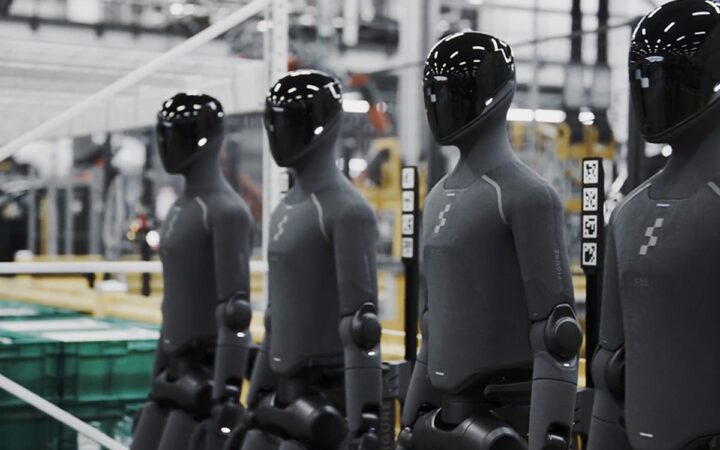
A separate government-supported programme with Samsung Medical Center uses Rainbow’s wheeled RB-Y1 humanoid platform. The report identifies 2029 as the development and intended clinical-application target. That timetable describes a research objective, rather than an approval already granted or a guaranteed hospital rollout.
An assistant that holds a camera or passes instruments addresses a different workflow from a robot carrying out a procedure. Those functions can be valuable without transferring clinical decisions away from the surgeon.
Hospital Demonstrations Remain Under Medical Staff Control
Samsung Medical Center’s official account dates the public demonstration to September 16. The hospital leads the ORchestra consortium, which includes Rainbow Robotics and other research and technology partners.
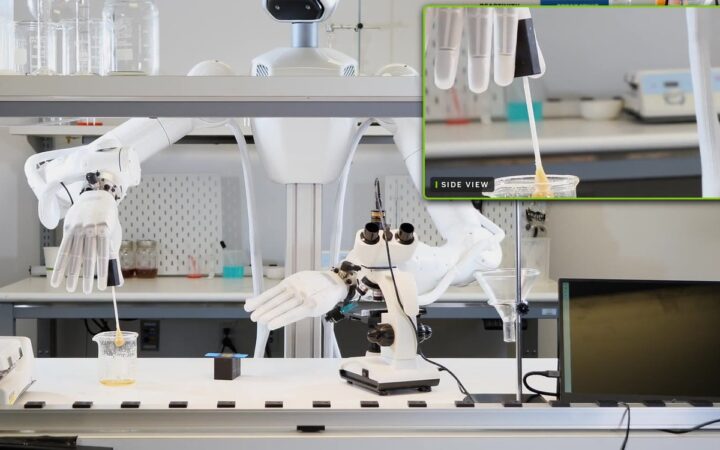
The hospital describes simulated surgical demonstrations with two robots dividing assistance tasks. One handled spoken requests for instruments and their return to the tray; the other maintained an endoscopic view and retracted tissue. In a separate demonstration involving incision, dissection and suturing, medical staff directly controlled the robotic arms and instruments.
The hospital explicitly says the system does not independently assess a patient and perform autonomous surgery. Its programme remains in validation, with performance testing, preclinical work, clinical trials and medical-device approval among the steps toward commercialization.
Hyundai’s X-ble MEX Takes the Rehabilitation Route
Hyundai’s Robotics Lab describes X-ble MEX as a medical exoskeleton designed to support lower-limb muscle and joint rehabilitation. Its assisted movements include walking, sitting, standing and stair use, with a structure designed to be put on while the user is seated in a wheelchair.
The lab says it donated four units across Asan Medical Center and the National Rehabilitation Center following agreements in 2023, and two more to the Armed Forces Capital Hospital in 2024. It also confirms Class III medical-device approval in South Korea in 2025.
ChosunBiz reports that further pilots and a review of commercial viability remain, with launch timing undecided. Regulatory clearance is therefore a meaningful milestone, but should be distinguished from broad availability or evidence that every patient will achieve the same outcome.
Medical Deployment Adds a Different Set of Tests
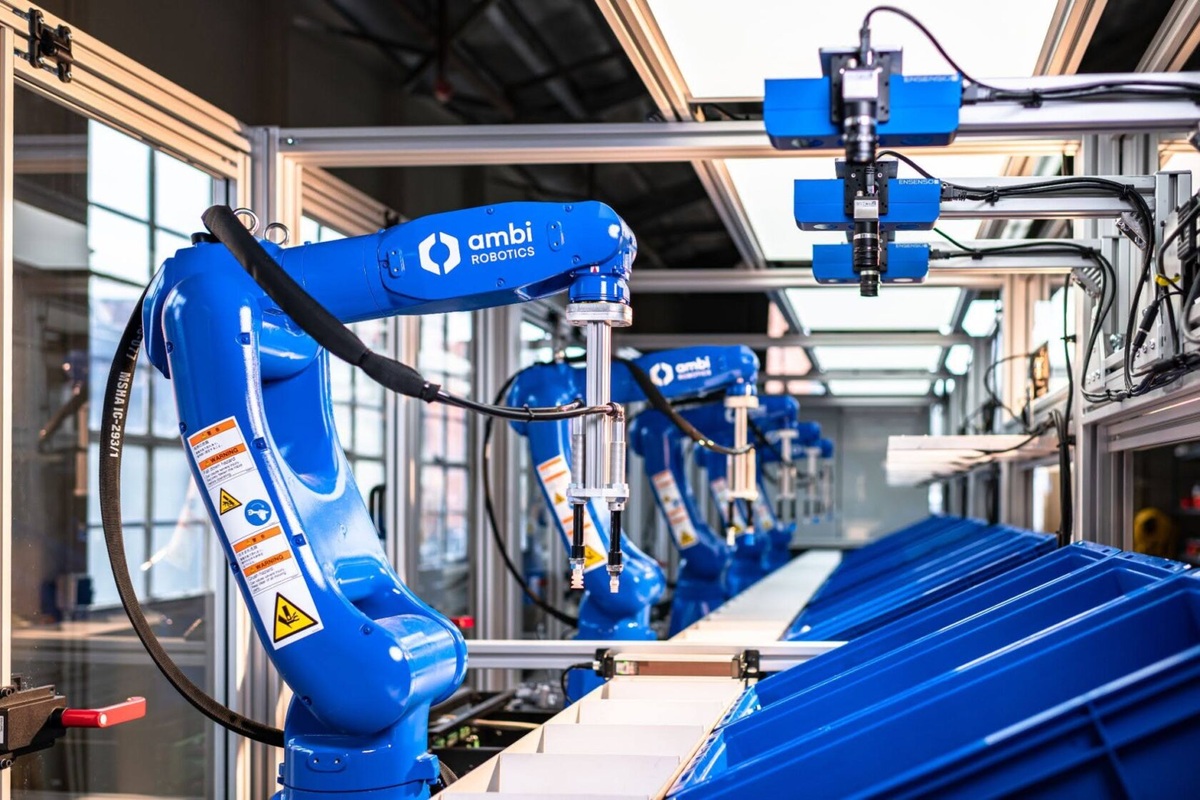
Industrial robotics expertise provides useful foundations in actuation, sensing and control. Hospital use adds requirements around clinical evidence, usability, cleaning, patient contact and predictable behavior when staff intervene. A successful demonstration must be followed by validation for the specific intended medical use.
For surgical assistance, useful measures include dependable instrument identification, safe handover and stable camera positioning under changing conditions. For rehabilitation, the central questions concern appropriate patient selection, reliable assistance and outcomes measured through clinical evaluation.
Our hospital transport coverage examines another route into healthcare robotics, while our care-robot policy report follows the framework around deployment. Rainbow and Hyundai’s programmes show why the pace of medical robotics depends on evidence and approval as well as engineering progress.
Disclaimer: RobotsBeat is an independent media brand owned and operated by NuvexMedia LLC, publishing news, research, and insights on artificial intelligence, emerging technologies, automation, and related industries. NuvexMedia LLC invests in and collaborates with companies across the AI, Robotics, technology, software, and digital innovation sectors. These relationships do not influence RobotsBeat's editorial coverage, and the publication maintains full editorial independence to provide accurate, timely, and objective information. © 2026 NuvexMedia LLC. All rights reserved. This content is for informational purposes only and should not be considered legal, tax, investment, financial, or other professional advice.