Key Notes
- HD Hyundai plans a total of 3,000 robots across two shipyards by 2030, with its welding AI model expected in early 2027.
- The deployment aims to improve welding productivity and reduce costs, while reported NVIDIA cooperation remains under discussion rather than a completed rollout agreement.
- The broader robotics strategy combines new task-learning systems with established industrial and collaborative machines, making weld quality and sustained output central measures of success.
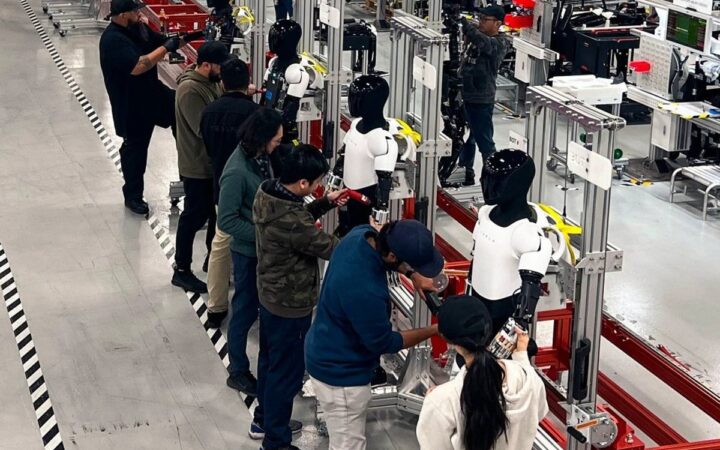
HD Hyundai Heavy Industries plans to deploy a total of 3,000 robots across its Ulsan shipyard and HD Hyundai Samho’s Yeongam yard by 2030, according to a November 9 ChosunBiz report. A welding-focused physical AI model is expected in early 2027 as the shipbuilder extends automation into less predictable outdoor work.
The company targets welding productivity gains of more than 30% and cost reductions above 10% by 2030. These are objectives, rather than results already achieved. The report also describes discussions with NVIDIA over automating the positioning and securing of components before welding; it does not announce a completed deployment agreement.
Outdoor Welding Tests Adaptability
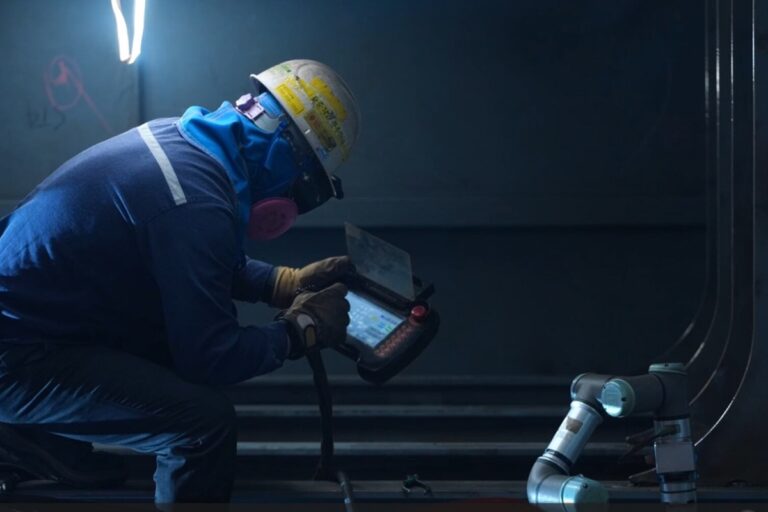
Shipbuilding presents a different automation problem from a repetitive production cell. A robot must reach the joint, maintain the correct relationship between tool and workpiece, and operate safely within the surrounding structure. Changes in geometry or access can make a previously successful motion unsuitable for the next job.
For buyers, a welding AI system’s value will depend on consistent weld quality as well as speed. A quicker pass that needs extensive inspection and rework may offer less benefit than a slower, dependable process. Deployment also requires practical ways to move equipment between work areas and recover when a task is interrupted.
Physical AI Builds on Existing Industrial Robots
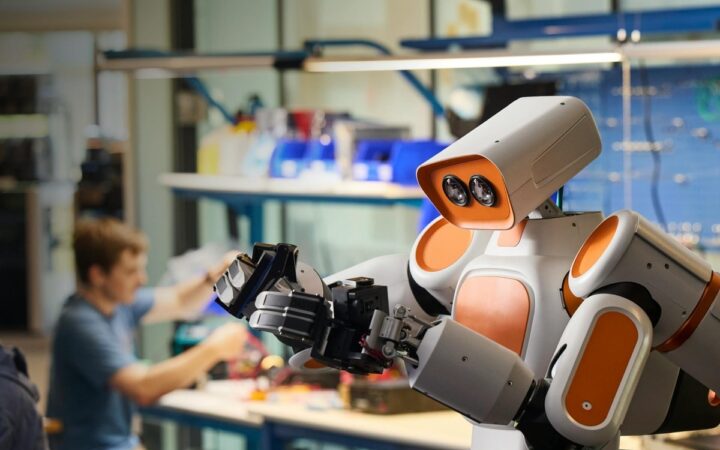
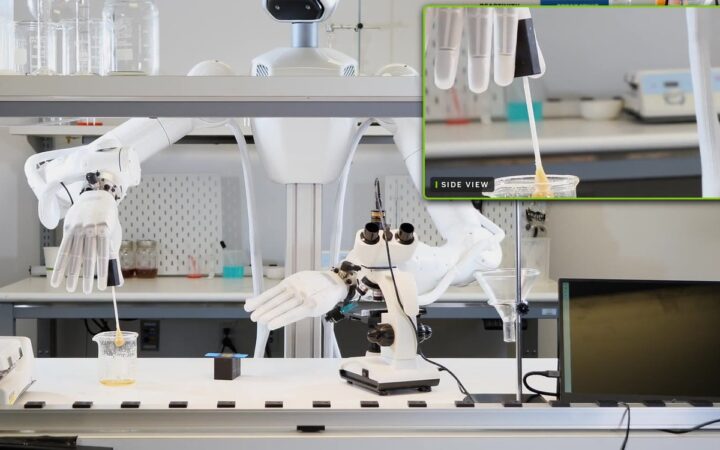
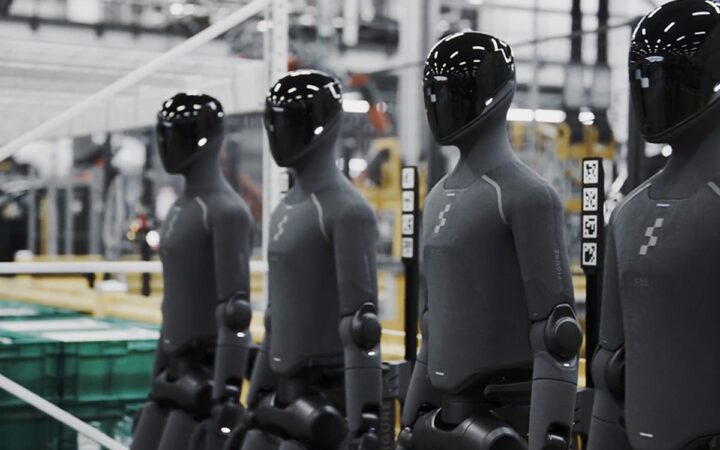
HD Hyundai Robotics outlined a wider approach in its October ROBEX announcement. Its Intelligent Dual-Arm Robot uses a proprietary Robot Foundation Model, with kitting as an initial application and welding and painting among planned extensions.
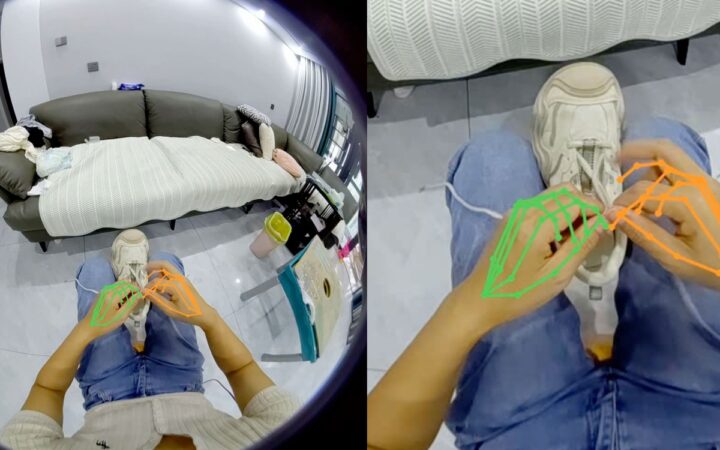
The company says it intends to transfer task intelligence developed on that platform into industrial and collaborative robots. It also presented CADless welding, its ArcLift GO portable welding cobot and force-control solutions. That strategy connects newer learning systems with established machinery, rather than requiring every task to be assigned to a walking humanoid.
Our ArcLift GO coverage follows an earlier U.S. shipyard order. The humanoid welding report examines a separate development path; the latest 3,000-robot plan should not be read as an order for 3,000 humanoids.
Productive Hours Matter More Than Robot Counts
A deployment target establishes scale, but fleet size alone cannot show whether automation pays off. Useful measures include accepted weld output, time spent repositioning equipment, operator interventions, maintenance and the proportion of work that remains inaccessible to the system.
Our factory productivity analysis considers similar questions in manufacturing. For HD Hyundai, the next meaningful milestone will be evidence from the welding AI rollout: which jobs it can reliably perform, how much support it needs and whether those gains persist across different ship structures.
Disclaimer: RobotsBeat is an independent media brand owned and operated by NuvexMedia LLC, publishing news, research, and insights on artificial intelligence, emerging technologies, automation, and related industries. NuvexMedia LLC invests in and collaborates with companies across the AI, Robotics, technology, software, and digital innovation sectors. These relationships do not influence RobotsBeat's editorial coverage, and the publication maintains full editorial independence to provide accurate, timely, and objective information. © 2026 NuvexMedia LLC. All rights reserved. This content is for informational purposes only and should not be considered legal, tax, investment, financial, or other professional advice.