
Physical AI
By RB Team
• 1 min read
Physical AI focuses on intelligent systems that sense, decide, and act in the real world.
Explore RobotsBeat's latest reporting, research, and expert analysis tagged with "physical ai", collected in one continuously updated archive.
Physical AI focuses on intelligent systems that sense, decide, and act in the real world.

CES 2026 marked a turning point for Physical AI, as humanoids, autonomous machines, and AI-driven platforms moved from experiments to scalable, real-world systems.
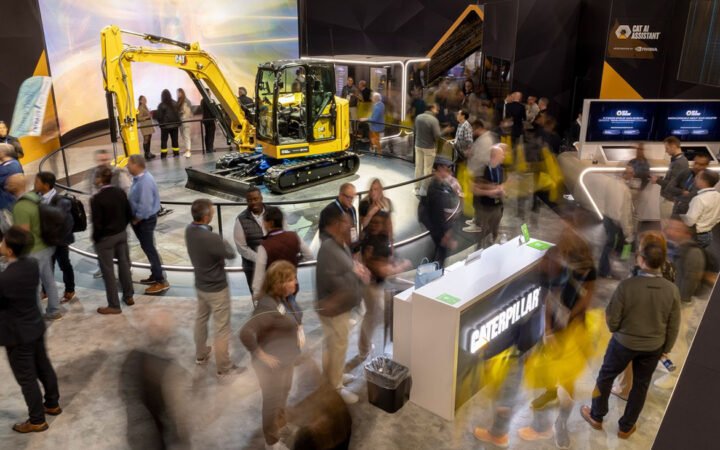
Caterpillar and NVIDIA deepened their partnership at CES 2026, outlining how Physical AI will transform construction, mining, manufacturing, and industrial supply chains.
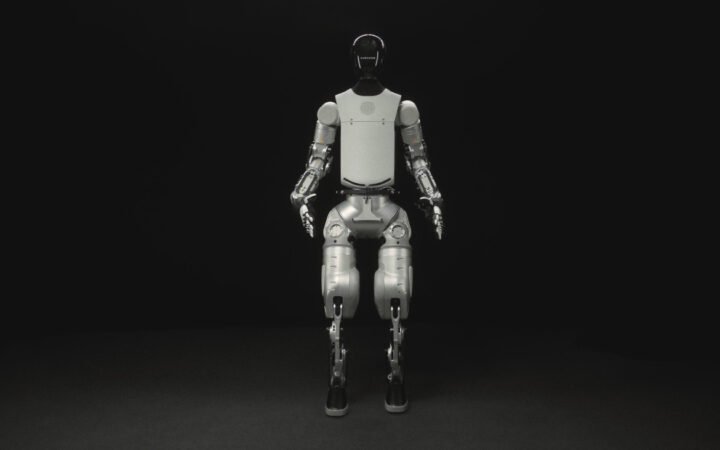
London-based startup Humanoid moved from concept to a functional alpha prototype of its HMND 01 robot in seven months, compressing a development cycle that typically takes up to two years.
Humanoid robots focus on human-shaped machines designed to work in real-world, human-centered environments.
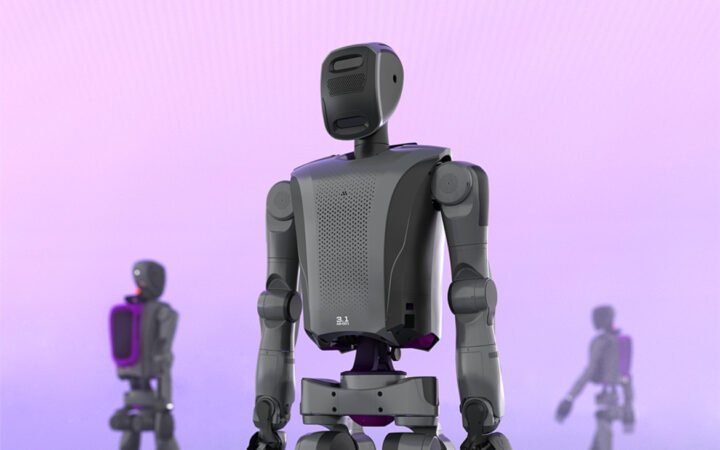
Mobileye agreed to acquire humanoid robotics startup Mentee Robotics for $900 million, expanding its autonomy technology from vehicles into Physical AI and general-purpose humanoid robots.
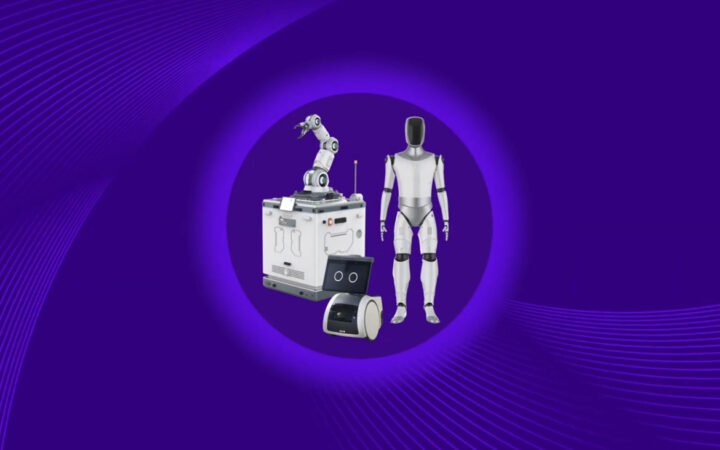
Qualcomm introduced a comprehensive robotics technology stack at CES 2026, unveiling new processors and partnerships aimed at scaling Physical AI from service robots to full-size humanoids.
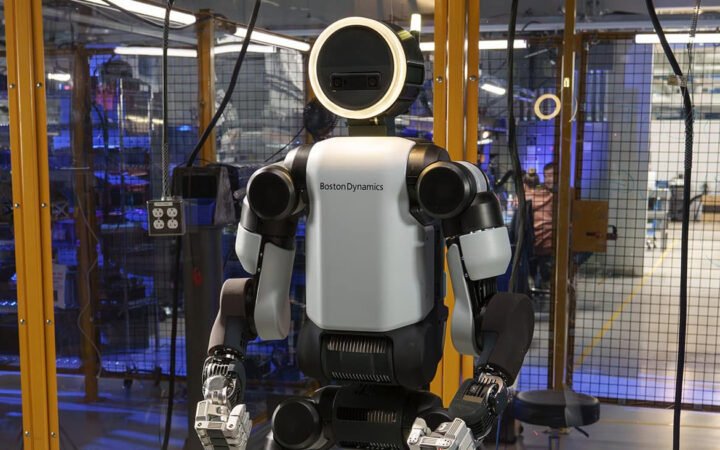
Boston Dynamics and Google have renewed their collaboration at CES 2026, combining advanced AI with the next generation of the Atlas humanoid robot.

Kodiak has entered a strategic agreement with Bosch to scale production-grade autonomous trucking hardware, aiming to accelerate commercial deployment of driverless trucks.
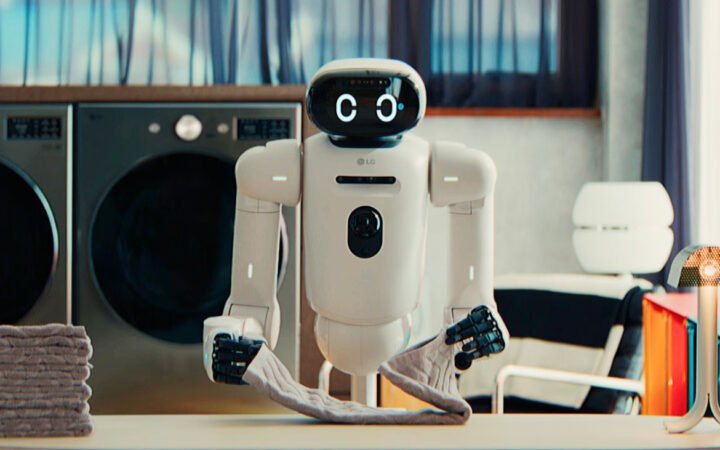
LG Electronics demonstrated its AI-powered CLOiD home robot at CES 2026, highlighting autonomous cooking, laundry folding, and dishwasher management as part of its Zero Labor Home vision.