Humanoid and Quadruped Robot Shipments Set to Hit 810,000 Units by 2030
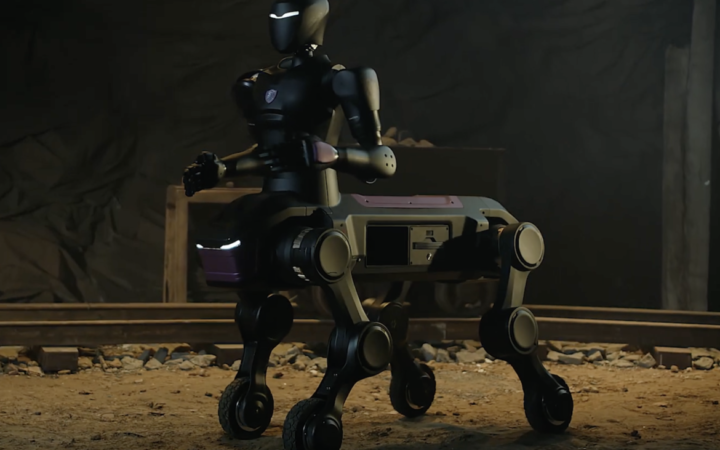
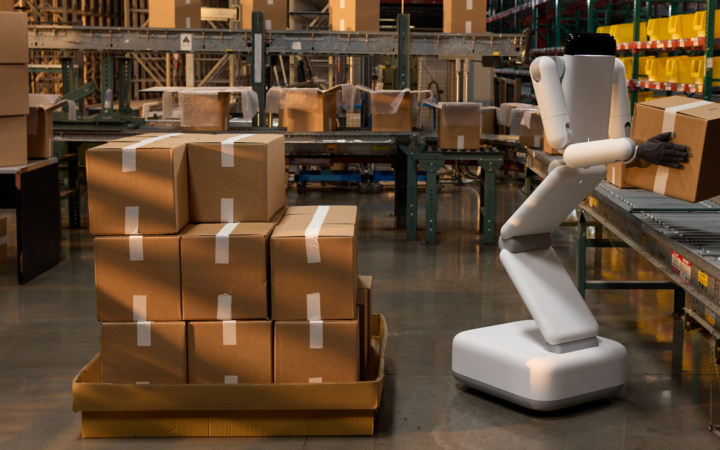
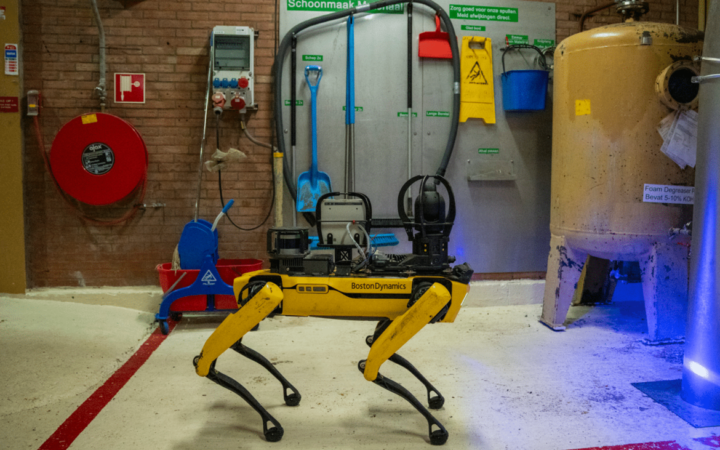
Global shipments of humanoid and quadruped robots are projected to reach 810,000 units by 2030, as enterprise adoption replaces early experimentation.
You are viewing the comprehensive archive for articles tagged with "industrial robotics". Our editorial team provides essential coverage, in-depth analysis, and real-time market data across all critical topics impacting the global economy. This section compiles the most relevant news, research, and expert commentary to help you navigate the trends and forces shaping the financial world. Stay informed with MarketSpeaker to ensure your knowledge is current and comprehensive.
Global shipments of humanoid and quadruped robots are projected to reach 810,000 units by 2030, as enterprise adoption replaces early experimentation.
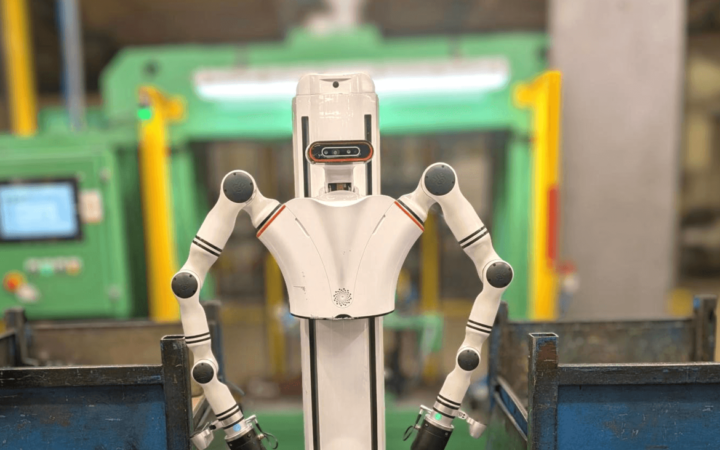
European companies are accelerating investment in humanoid robotics as the region seeks to regain technological momentum. Industrial expertise and automotive supply chains are emerging as key advantages.
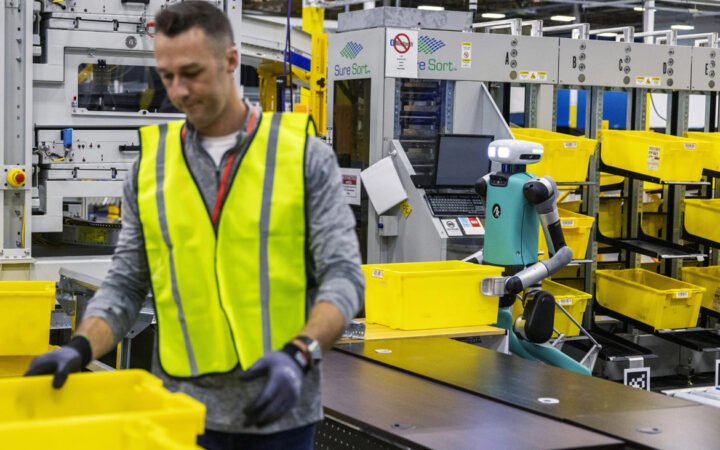
SAP, Humanoid, and Martur Fompak have completed a live warehouse trial linking enterprise AI agents to a humanoid robot. The test highlights how software-driven decisions can directly control physical labor systems.
Xiaomi has introduced a redesigned bionic hand for its CyberOne humanoid robot, improving dexterity, tactile sensing, and durability. The upgrade reflects a broader push toward human-level manipulation in industrial robotics.
New research suggests increased robotics adoption could add AUD $201 billion to Australia’s GDP by 2040, but commercialization and deployment remain key challenges.
Comtech is building a global ecosystem linking chips, software and robotics companies, aiming to accelerate commercialization of embodied AI systems.
Chinese robotics and automation firm Inovance is preparing a Hong Kong listing that could raise up to $2 billion, highlighting growing investor appetite for industrial and embodied AI technologies.
Agibot has produced 10,000 humanoid robots, signaling a transition from early deployments to large-scale commercial adoption of embodied AI systems.
Researchers have developed a system that allows robots to perform learned tasks faster than human demonstrations, addressing a key limitation in imitation learning.
China has released its first industry standard for embodied artificial intelligence, establishing a unified framework to evaluate and deploy next-generation robotic systems.
SAIC-GM has introduced humanoid robots into a Buick battery assembly line, marking an early step toward integrating embodied AI into automotive manufacturing.
Google DeepMind is partnering with Munich-based Agile Robots to integrate its Gemini Robotics models with industrial robot hardware, expanding Google’s push into real-world AI deployment.
Oxford spinout Stateful Robotics has raised $4.8 million to develop an AI platform designed to give robots memory and long-horizon planning capabilities for real-world industrial deployments.
LG Electronics is expanding its robotics ambitions by developing and manufacturing robot actuators in-house, positioning itself as a key supplier in the global robotics ecosystem.
Renault has begun deploying Calvin-40 robots in its Douai electric vehicle plant, using AI-trained machines to handle repetitive assembly tasks and accelerate EV production.