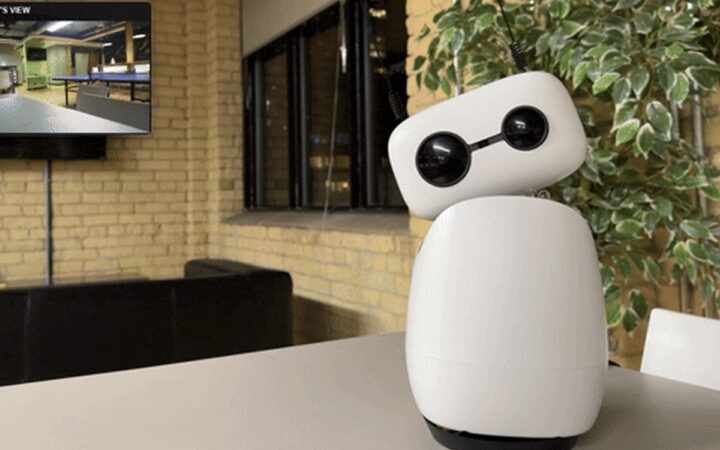
NVIDIA Releases Nemotron 3.5 Bolt E4B for Local Robot Assistants
NVIDIA’s compact Bolt E4B model powers dialogue and tool calls in a Reachy Mini demo, bringing local conversational AI to robotics interfaces.
Explore RobotsBeat's latest reporting, research, and expert analysis tagged with "robotics", collected in one continuously updated archive.
NVIDIA’s compact Bolt E4B model powers dialogue and tool calls in a Reachy Mini demo, bringing local conversational AI to robotics interfaces.

Bolt’s Lucid robotaxi program brings driving AI, sensors and fleet operations together, with Madrid data collection planned for 2027 pending approval.
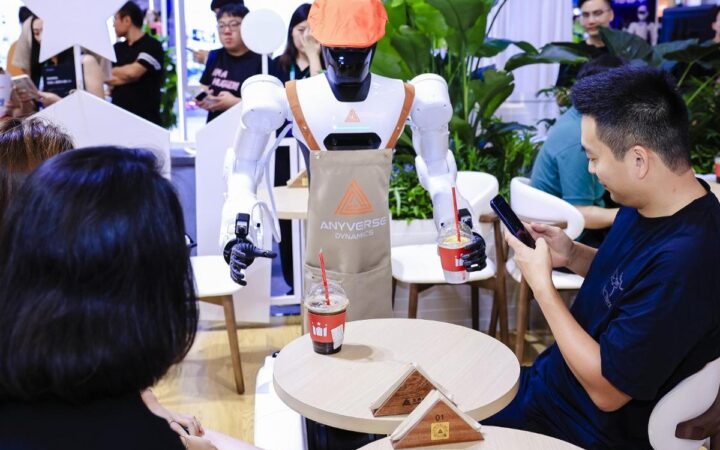
UBTECH and Anyverse pursue Korean factory and service trials as Seoul expands manufacturing AI programs, with certification and local partners key to adoption.

Wang Xingxing brings forward his humanoid forecast, pointing to AI advances while acknowledging that today’s robots still struggle with everyday tasks.
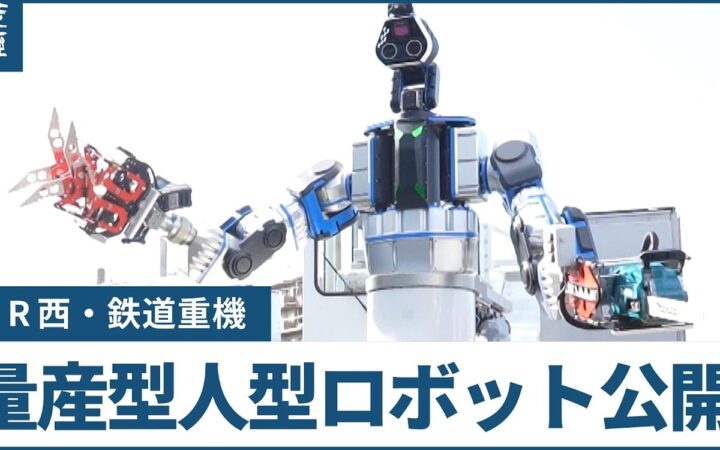
JR West is adding two railway maintenance robots, targeting a 30% reduction in manpower for selected jobs and safer work at height.

Unitree’s H2-X video showcases martial-arts moves and staged protection scenes, with a claimed maximum endurance of about eight hours.
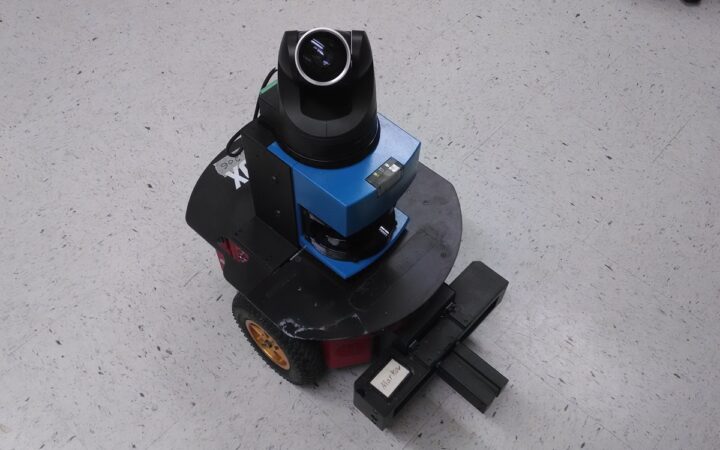
Learn how SLAM builds robot maps, how localization differs from navigation, and how to test drift, loop closure, sensor timing and recovery in real environments.
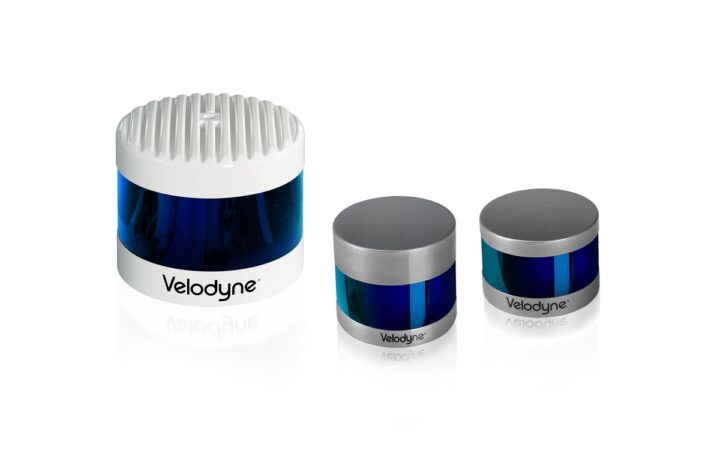
Understand encoders, cameras, lidar, IMUs and force sensors, and learn how calibration, timing and failure testing turn robot measurements into dependable actions.
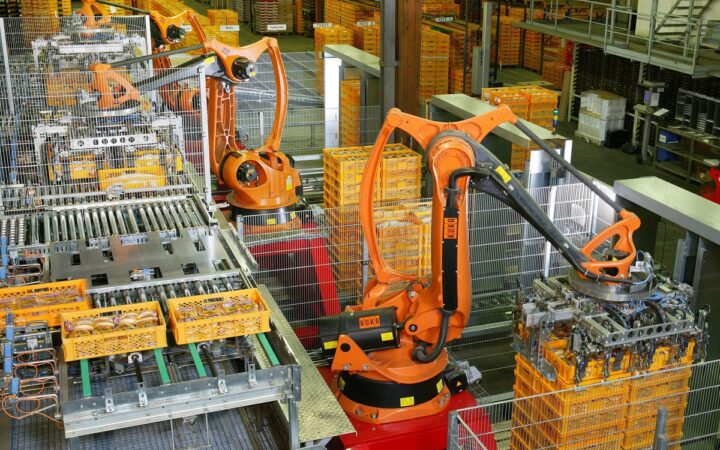
Learn how to choose a robot arm by comparing architectures, payload, reach, accuracy and cycle time, then validate the complete application before deployment.
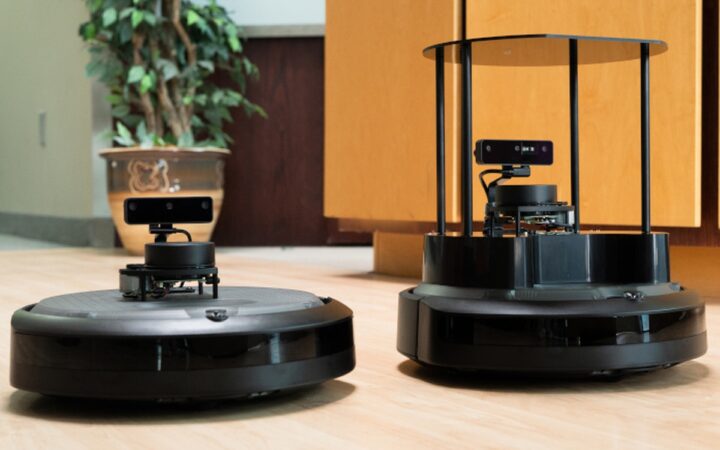
Learn how ROS 2 connects robot software through nodes, topics, services and actions, with practical guidance on frames, debugging, simulation and production readiness.
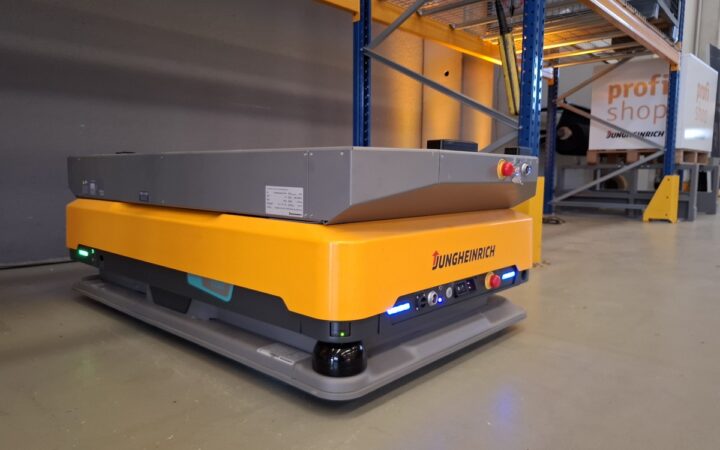
Learn how autonomous mobile robots move materials, how AMRs compare with AGVs, and how to evaluate routes, handoffs, fleet capacity and deployment costs.
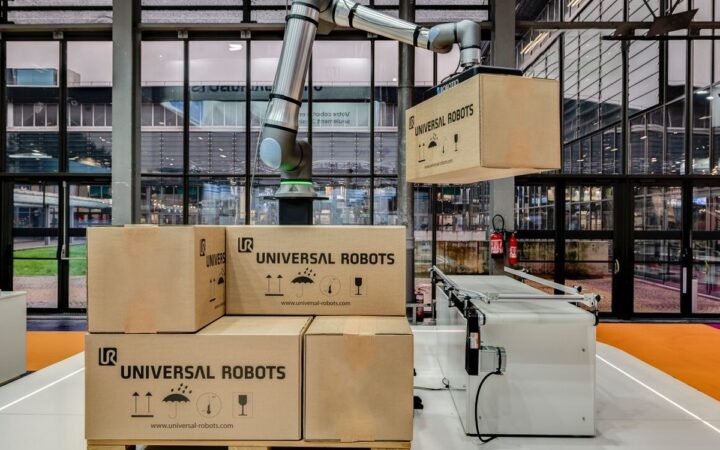
Learn how robotic automation works, where robots fit, and how to plan deployment, assess costs, validate safety and measure real operating results.
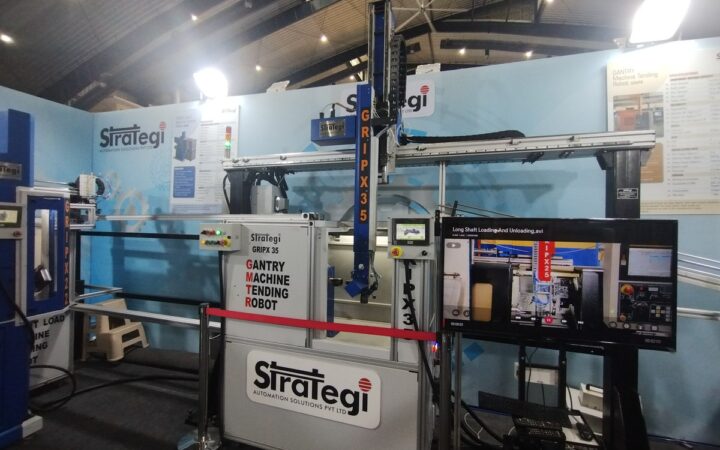
Learn how to plan robot machine tending for CNC equipment, from part presentation and workholding to cycle time, inspection and dependable unattended operation.

Ministry of Awe’s Awebot brings a remote-controlled artwork to Philadelphia’s streets, using character design and movement to spark public interaction.
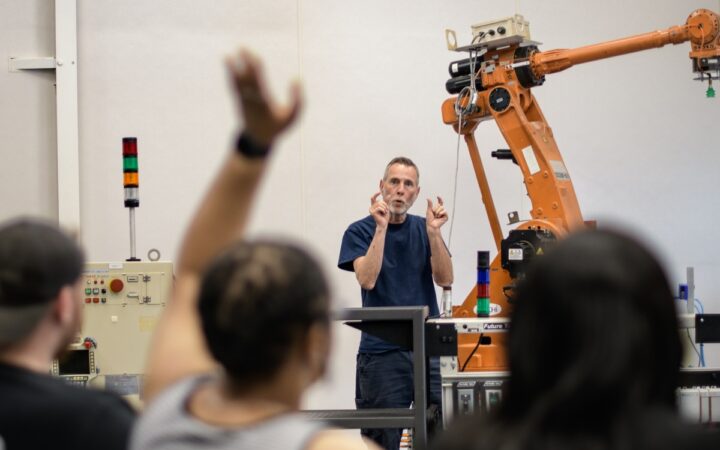
Build a robot maintenance plan, preserve fault evidence, diagnose problems across system layers and verify repairs with practical downtime and recovery measures.