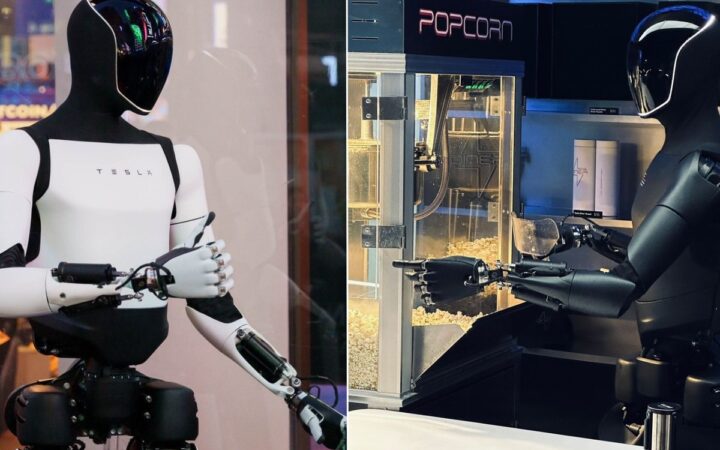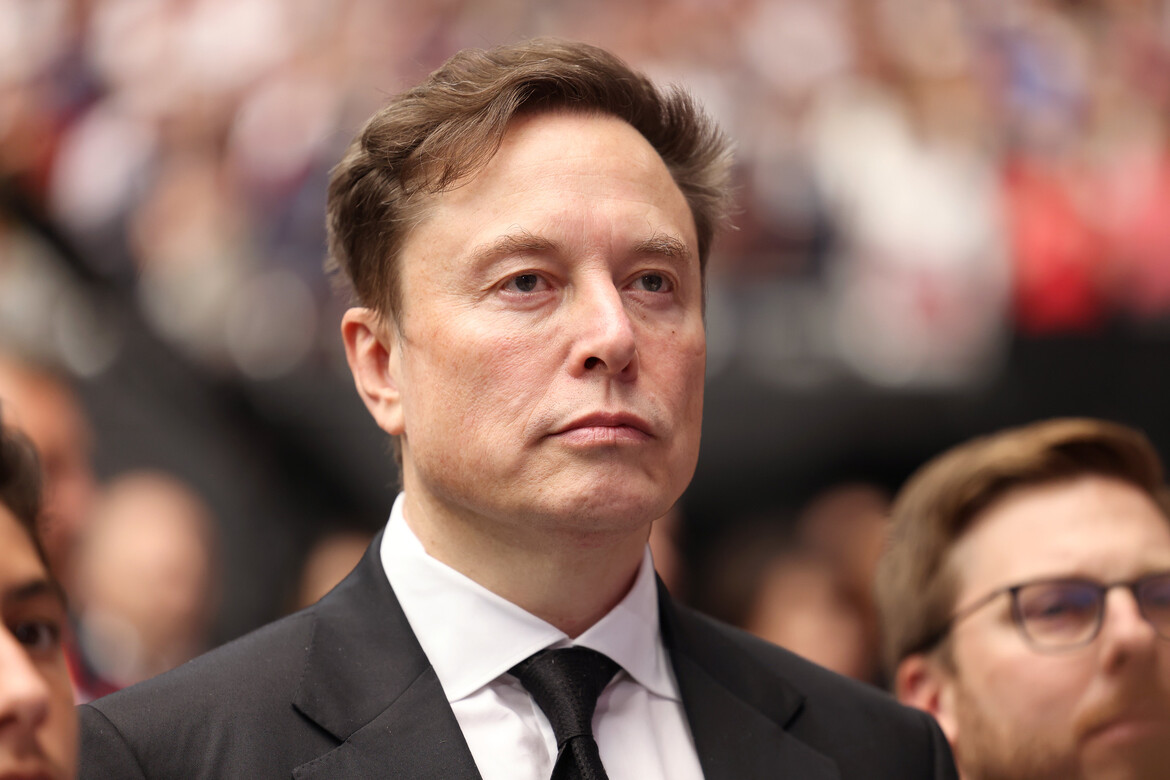
Elon Musk addressed the G20 meeting to discuss AI, robotics, and what he described as a coming “crisis of power”, predicting that humanoid robots will begin producing other robots and triggering exponential self-replication within the decade. “Robots will start producing other robots,” Musk said. “Thus, there is a self-reproducing effect. At first it happens very slowly, but then the growth rate becomes exponential. In ten years, I think there will be more than one billion humanoid robots. And the productivity of each robot will probably be five times higher than that of a human.”
The projection, if accurate, would represent a transformation of global economic output and labor markets at a scale with no historical precedent.
The Self-Replication Thesis
Musk’s core argument is that once robots can manufacture other robots autonomously, production capacity stops being constrained by human factory labor and instead compounds on itself. The initial phase is slow because the first robotic manufacturing systems still depend on human engineering and oversight. But as those systems improve and robots begin operating robotic factories with minimal human intervention, the production curve inflects – following the exponential pattern that Musk has previously applied to his projections for Tesla’s Optimus program.
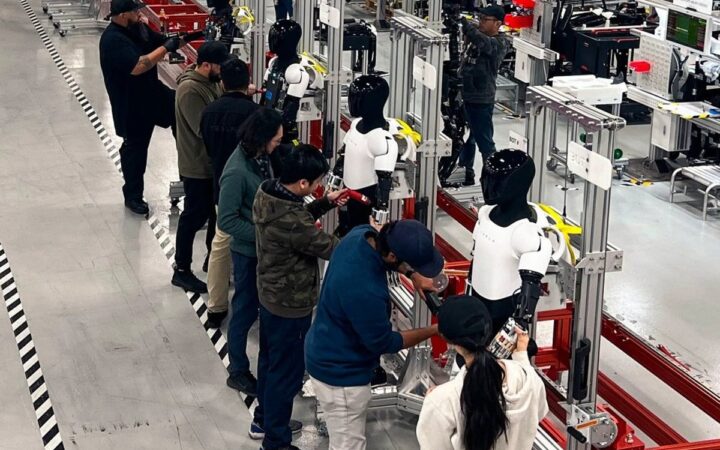
Tesla is currently converting its Fremont factory Model S and X line into Optimus production capacity, targeting one million units per year at full ramp. Musk has separately outlined plans to send Optimus robots to the Moon and Mars as construction workers, beginning with material delivery in late 2026. The G20 remarks extend that logic to a global scale.
The Productivity Claim
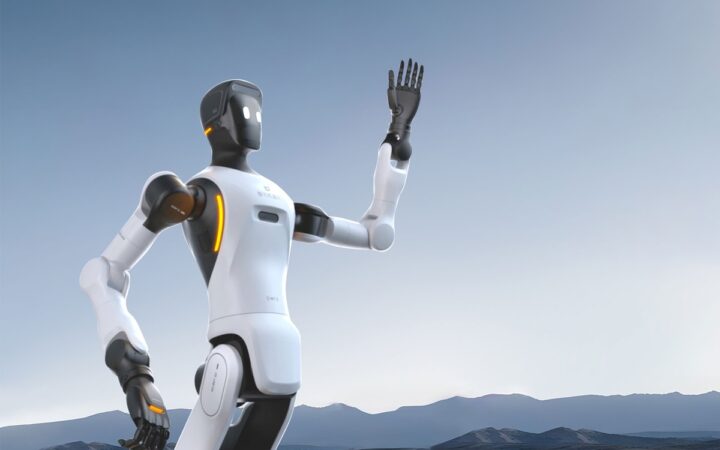
The assertion that each humanoid robot will be approximately five times more productive than a human worker requires qualification. Current deployed humanoid robots – including Digit at Amazon and GXO, Figure 03 at BMW Spartanburg, and Agibot’s G2 at Longcheer Electronics – perform specific defined tasks at production-line cycle times that match or approach human workers in those tasks. The five-times-productivity claim implies a level of general-purpose capability and task versatility that no currently deployed humanoid system demonstrates.
Musk’s projections have historically outpaced actual timelines. Optimus was originally announced in 2021 with an anticipated 2022 prototype; the Fremont production conversion is now targeted for late 2026. The broader humanoid market is currently tracking approximately 60,000 units for full-year 2026 according to SAG research, well ahead of projections from two years ago but several orders of magnitude below the billion-unit trajectory Musk described.
The Power Question
Musk’s reference to a “crisis of power” at the G20 framing intersects with the UN Secretary-General’s concurrent call for binding international AI governance and autonomous weapons bans, and with the geopolitical competition over humanoid robot technology between the United States and China that has produced U.S. import restrictions, FCC Covered List additions, and Congressional legislation restricting Pentagon procurement of Chinese-manufactured robotic systems. Who controls robot manufacturing capacity at the scale Musk describes is not a rhetorical question – it is the central strategic question driving national robotics policy across multiple governments simultaneously.
Disclaimer: RobotsBeat is an independent media brand owned and operated by NuvexMedia LLC, publishing news, research, and insights on artificial intelligence, emerging technologies, automation, and related industries. NuvexMedia LLC invests in and collaborates with companies across the AI, Robotics, technology, software, and digital innovation sectors. These relationships do not influence RobotsBeat's editorial coverage, and the publication maintains full editorial independence to provide accurate, timely, and objective information. © 2026 NuvexMedia LLC. All rights reserved. This content is for informational purposes only and should not be considered legal, tax, investment, financial, or other professional advice.