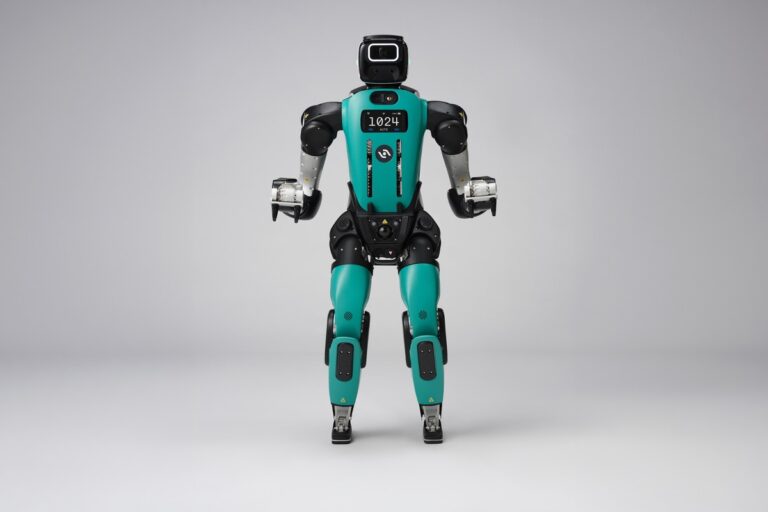
NVIDIA Bets on Halos for Safer Robotaxis and Humanoid Robots
NVIDIA is extending its Halos safety architecture from autonomous vehicles to robotics, with Agility’s Digit 5 showing how the approach could support shared workplaces.
Humanoid robots are robotic systems designed with a human-like form factor, enabling them to move, manipulate objects, and operate in environments built for people. Unlike traditional industrial machines, humanoids aim to combine mobility, dexterity, and embodied intelligence to perform a wide range of physical tasks. This topic covers advances in locomotion, balance, manipulation, perception, and AI-driven control systems, as well as real-world deployment in manufacturing, logistics, healthcare, and service roles. It also examines the technical, economic, and safety challenges of scaling humanoid platforms beyond research and pilot programs. As hardware matures and AI models improve, humanoid robots are increasingly positioned as general-purpose systems for complex, unstructured environments.
NVIDIA is extending its Halos safety architecture from autonomous vehicles to robotics, with Agility’s Digit 5 showing how the approach could support shared workplaces.
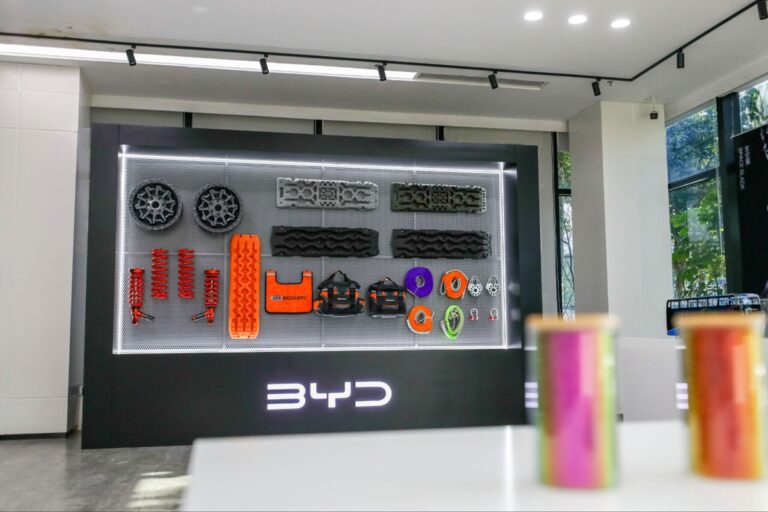
BYD’s humanoid robot design has surfaced in a Chinese patent, showing a bipedal machine as the automaker pursues robotics and dealership applications.

ARC Night brought Unitree G1 and EngineAI T800 robots to Singapore, where human pilots in motion capture gear controlled the fights.

Minerva’s Roger humanoid targets bomb disposal and hazardous energy work, combining human teleoperation with AI-assisted movement ahead of paid pilots.

Boston Dynamics appoints former Alexa and Amazon Nova leader Rohit Prasad as CEO as it advances Atlas factory training and physical AI commercialization.
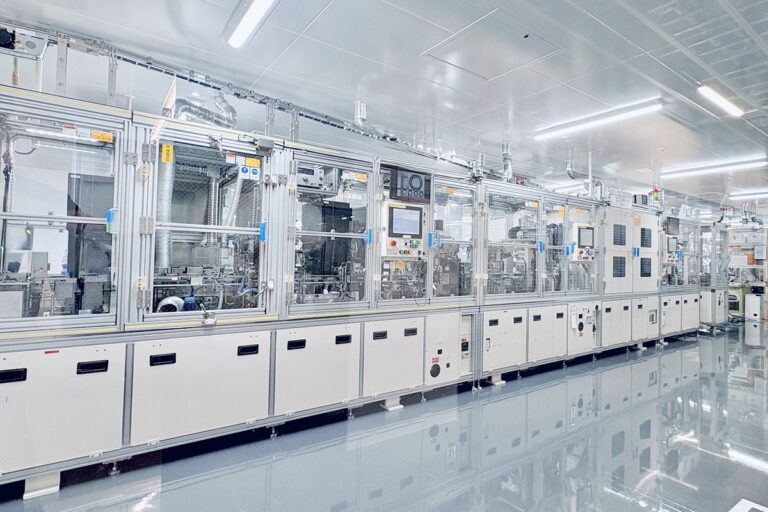
Panasonic targets humanoid robot production by 2029 for factories and warehouses, drawing on its battery expertise and industrial components.

Seoul’s Smart Life Week opens with dancing, boxing and badminton robots, connecting humanoid demonstrations to the city’s physical AI ambitions.
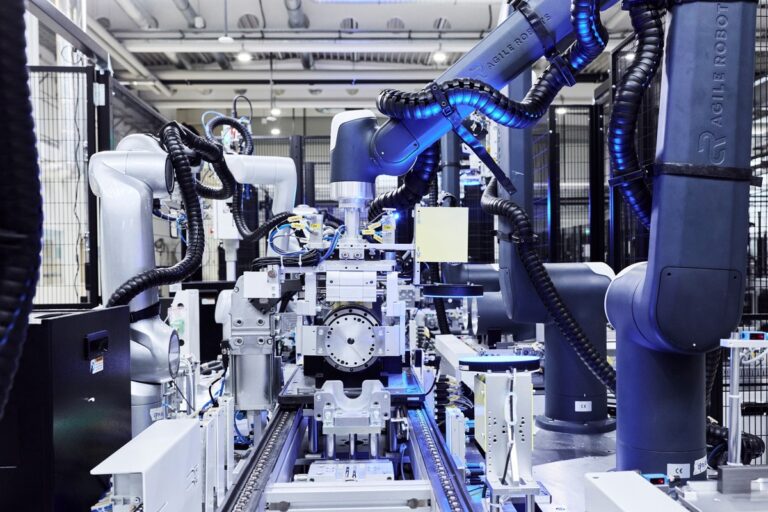
Agile Robots CEO Zhaopeng Chen forecasts a physical AI industry 10x bigger than automotive as the company expands humanoid production and factory partnerships.
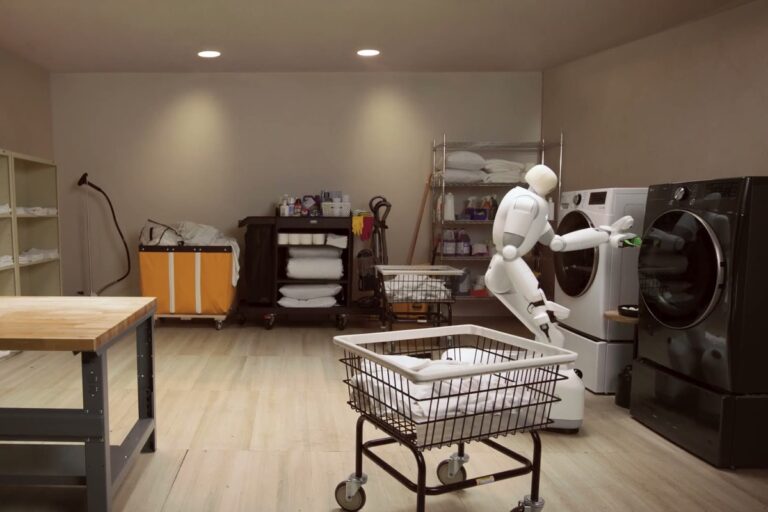
Dyna Robotics’ Taku tackles an hour-long laundry workflow, combining mobile manipulation with task planning as the company prepares for customer-site testing.
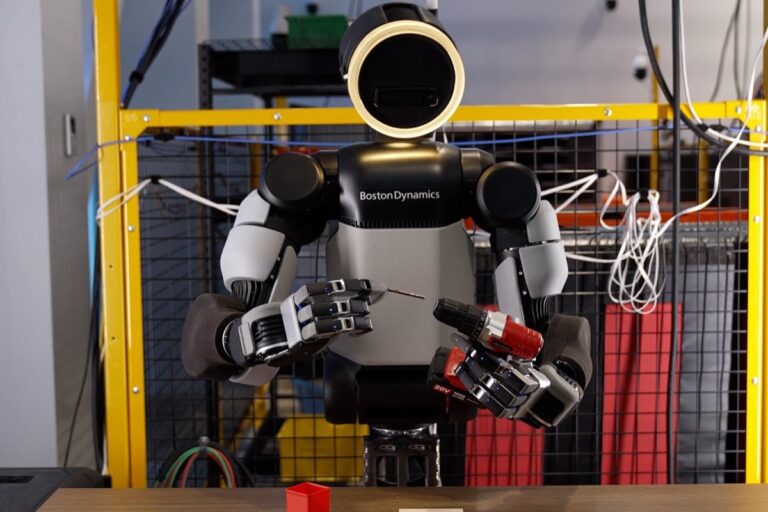
Boston Dynamics’ new Atlas hand has four fingers and 13 degrees of freedom, combining tool-use dexterity with a design built for simulation and manufacturing.