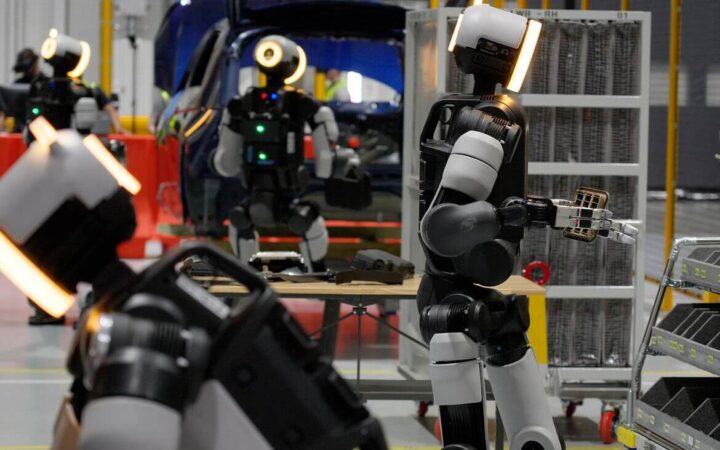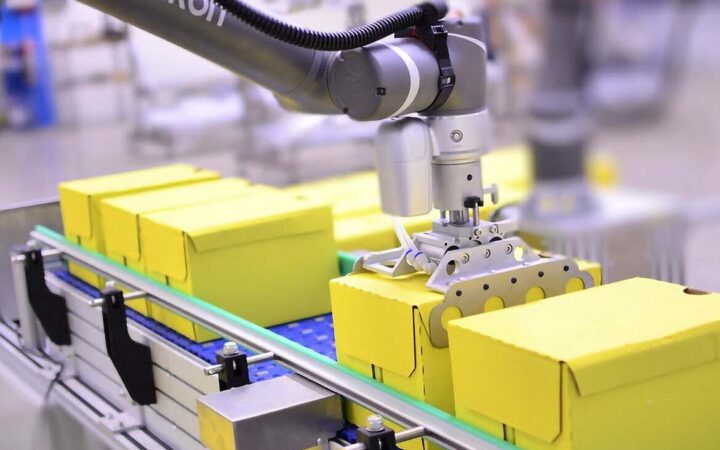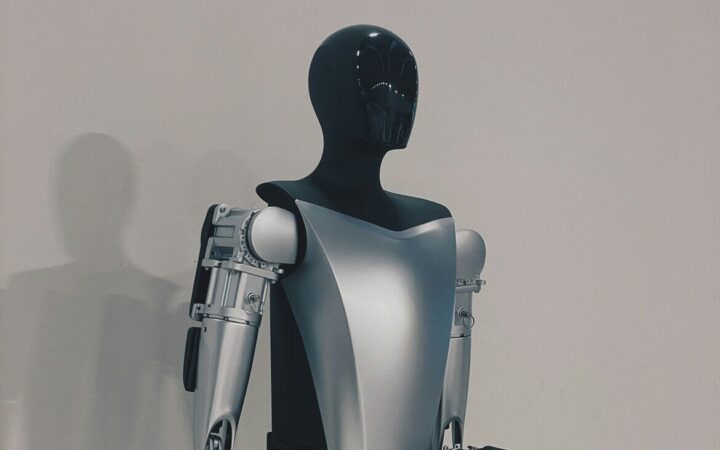

Emirates Group is developing a new generation of airport robots capable of completing passenger check-in and handling baggage autonomously, with a formal launch planned for Q1 2027. Keenan Hamza, Emirates’ vice-president of Innovation and New Technologies, described the project as part of the airline’s broader push into advanced technology, AI, and automation to improve the passenger experience.
The development builds on Sara, an initial check-in prototype that completed the check-in process using facial recognition and passport-scanning technology. The next generation extends Sara’s capabilities significantly, adding the ability to receive passenger luggage, weigh it, attach baggage tags, and transport bags after passengers arrive at the airport – completing the full check-in and baggage drop sequence without manual staff intervention.
How the Baggage Robot Works
The baggage robot is designed to recognize a passenger by scanning their face as they approach. It then receives the suitcase, weighs it, and automatically attaches the baggage tag, completing the process in a single interaction. The facial recognition component connects the physical baggage transaction to the passenger’s booking without requiring manual document checks, reducing the steps passengers need to take and removing the human handling bottleneck from baggage drop.
The robots are being developed through a specialized robotics laboratory established by Emirates Group, which is also applying automation across operations, cargo, and logistics in parallel with the passenger-facing systems.
The AI Personalization Layer
Hamza described a broader AI strategy that extends beyond robot hardware into service personalization. Emirates intends to use AI to anticipate individual passenger preferences – including food and beverage choices during flights – based on accumulated travel history, reducing the need for passengers to make requests that the airline already has data to anticipate.
“Through AI solutions, we want to provide the best service and quality to individuals, and to know what a passenger likes and what they prefer to eat and drink,” Hamza said. The volume of passenger data available to Emirates combined with AI systems, he said, offers significant potential to make services proactive rather than reactive over the coming years.
The Aviation Automation Context
The Emirates announcement follows Japan Airlines’ trial of Unitree G1 humanoid robots for baggage handling at Haneda Airport, announced earlier in 2026. Aviation has been slower than logistics and manufacturing to deploy robotics at scale, with the combination of regulatory requirements, public safety considerations, and operational complexity of passenger-facing environments creating higher barriers than warehouse applications. Emirates’ in-house robotics laboratory model – developing proprietary systems tailored to its own operational requirements rather than deploying off-the-shelf platforms – reflects a similar approach to the one Samsung and LG have pursued in consumer electronics, where deep domain knowledge justifies internal development.
The Q1 2027 launch timeline aligns Emirates with a wave of hospitality and service-sector robot deployments planned for 2027, including Pudu Robotics’ fully robot-staffed hotel on China’s Shenzhen-Zhongshan Link island and ASUS’s Kairo commercial service robot targeting hotel deployments following healthcare validation.
Disclaimer: RobotsBeat is an independent media brand owned and operated by NuvexMedia LLC, publishing news, research, and insights on artificial intelligence, emerging technologies, automation, and related industries. NuvexMedia LLC invests in and collaborates with companies across the AI, Robotics, technology, software, and digital innovation sectors. These relationships do not influence RobotsBeat's editorial coverage, and the publication maintains full editorial independence to provide accurate, timely, and objective information. © 2026 NuvexMedia LLC. All rights reserved. This content is for informational purposes only and should not be considered legal, tax, investment, financial, or other professional advice.