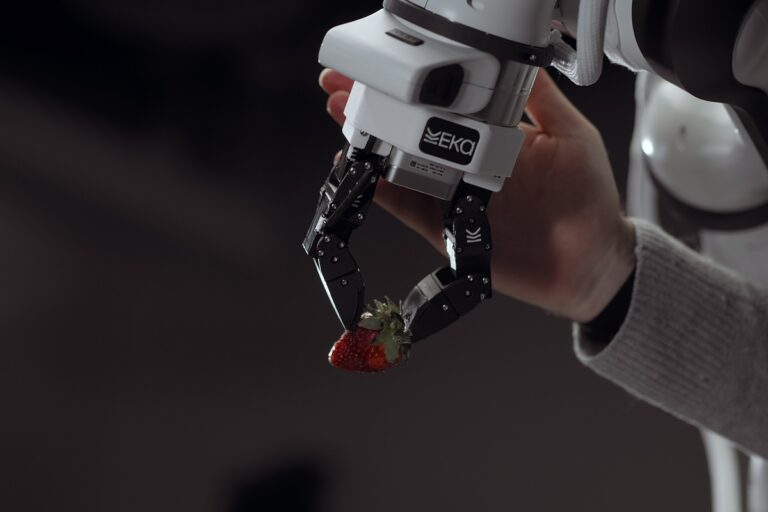
Eka Robotics Raises $150M for Force-Aware Robot AI at $1.45B Valuation
Eka Robotics raised $150 million for AI that combines vision and force feedback, targeting fast, adaptable robot manipulation and industrial applications.
Robots & Robotics covers the machines, systems, and technologies that enable physical automation and intelligent interaction with the real world. This topic focuses on the design, development, and deployment of robotic platforms across industrial, commercial, and public environments. Coverage includes robotic hardware, sensing and actuation, control systems, autonomy, and human-robot interaction. It also examines how advances in artificial intelligence, software, and materials are expanding the capabilities of robots beyond controlled settings into complex, dynamic environments. From factory floors to healthcare, logistics, and service applications, robotics plays a growing role in productivity, safety, and operational efficiency. As robots become more adaptable and widely deployed, this topic provides context on the technological progress and challenges shaping the future of physical intelligent systems.
Eka Robotics raised $150 million for AI that combines vision and force feedback, targeting fast, adaptable robot manipulation and industrial applications.

Germany’s NVIDIA partnership targets physical AI and industrial robotics, alongside planned Agile Robots investment and Siemens factory applications tested in live production.
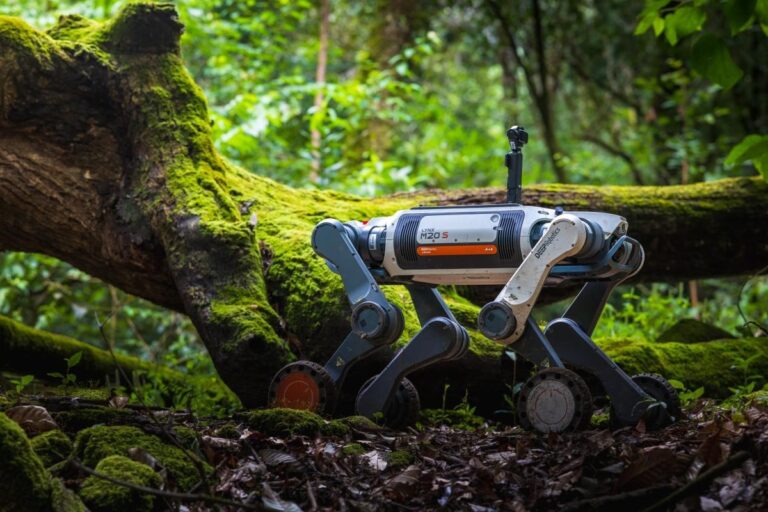
DEEP Robotics’ wheeled robot dog helped researchers scout Ailao forest routes, carry equipment and film wildlife, with payload and battery limits shaping the mission.
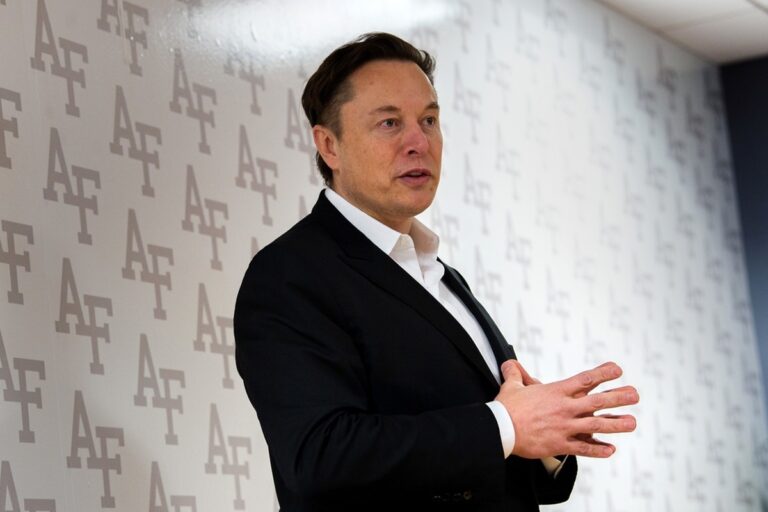
Elon Musk tells Walter Isaacson that AI and robots are the only way to solve US national debt, according to Axios’s preview of an upcoming interview.

NeodraDynamics’ four-meter Neo1 targets heavy industrial work with a claimed 500 kg dual-arm payload, while customer deployments and test conditions remain undisclosed.
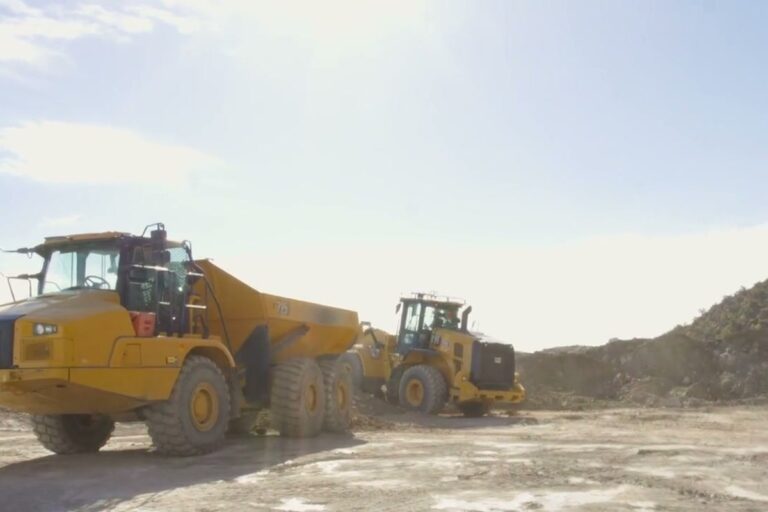
Physical Intelligence’s Pi API beta lets teams adapt robot models on managed infrastructure, while real-world evaluation and reliable connectivity remain essential.
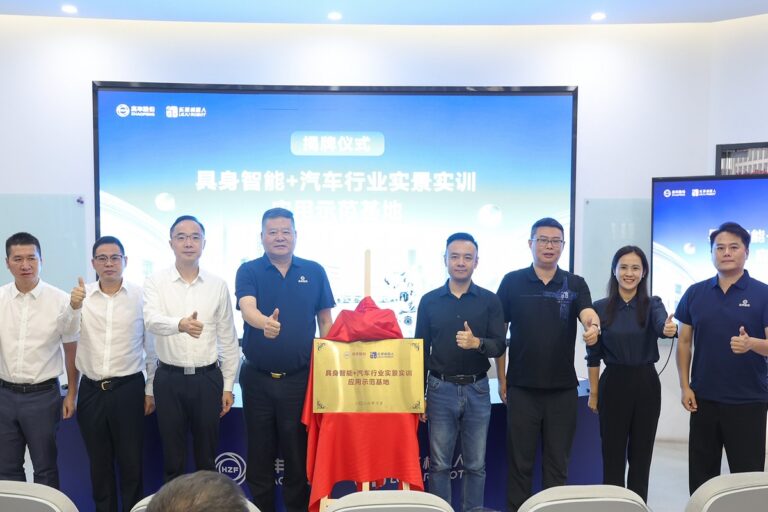
Leju and Zhaofeng report routine operation of 15 humanoids on an auto-parts line, with 98% loading success and cycle times still slower than skilled workers.
Agility names Nyobolt as Digit 5’s battery partner, targeting 90 minutes of runtime per nine-minute charge and early access in the first half of 2027.
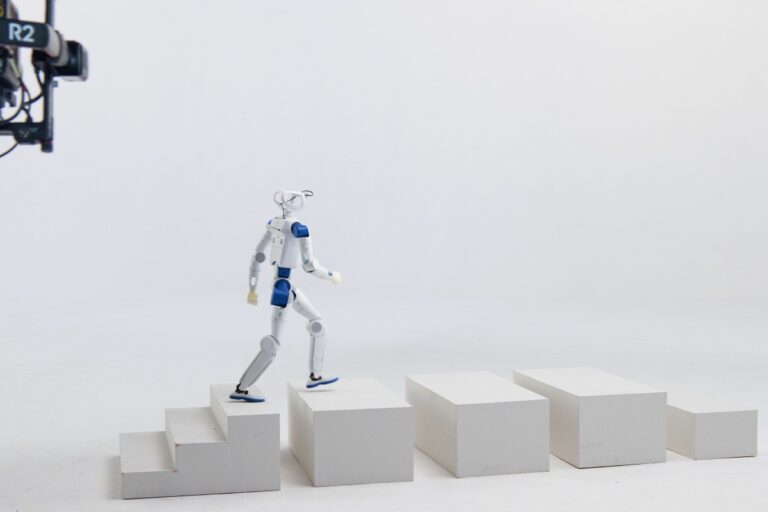
RoboParty’s RP1 release opens humanoid designs, control software and learning tools, with modular configurations built for research rather than household deployment.

Tesla’s new Roadster pairs SpaceX-derived thrusters with reported Optimus hardware, targets 2028 production and demonstrates flight in a restricted configuration.
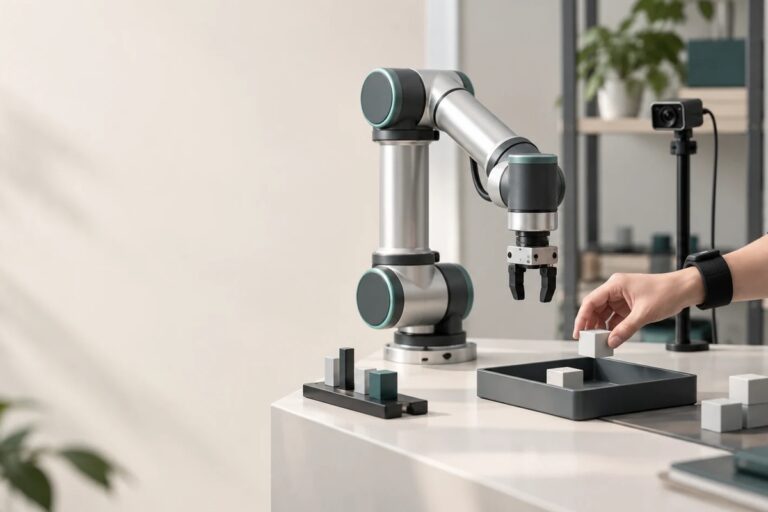
Worker accounts reveal the repetitive labor behind China’s robot-training data, with reported monthly pay of 4,000–6,000 yuan and demanding sample quotas.
Cubic³ argues that shared AI models could coordinate many robot types, while research shows specialized controllers and hardware limits remain essential.