
MWC 2026: HONOR Wins More than 70 Awards for AI Devices and Robotics
HONOR captured more than 70 media awards at Mobile World Congress 2026, highlighting its push into AI-powered devices, robotics concepts, and next-generation foldables.
Discover the key themes shaping today’s markets and technology landscape – from asset prices and economic shifts to corporate strategy, policy changes, and emerging innovations. This section brings together timely news, analysis, and insights across all major sectors, helping readers stay informed about the forces driving global finance and the future of tech.
HONOR captured more than 70 media awards at Mobile World Congress 2026, highlighting its push into AI-powered devices, robotics concepts, and next-generation foldables.
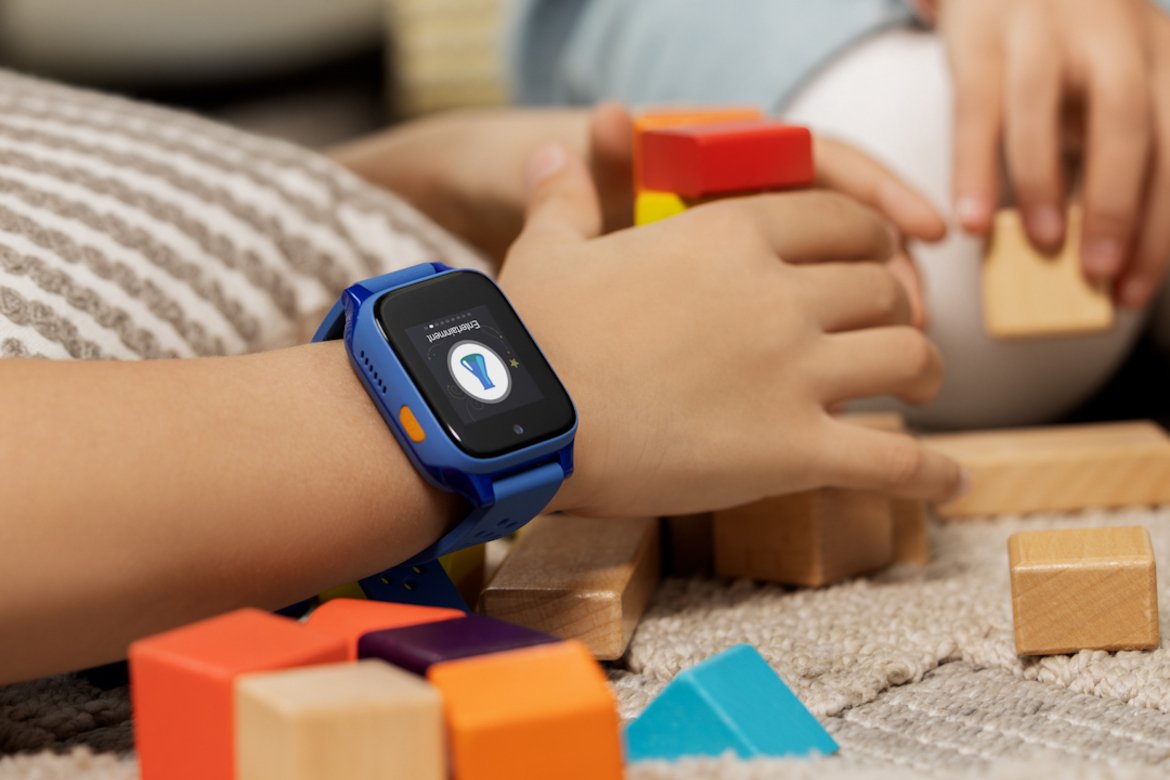
At MWC 2026, TCL introduced Tbot, a concept desktop robot designed to pair with children’s smartwatches, extending AI support from outdoor tracking to home routines.
AGIBOT presented its X2 humanoid robot at MWC 2026, highlighting shipment leadership and a shift toward scenario-based, commercial-scale deployment.
Honor introduced a “Robot Phone” at MWC 2026 featuring a 200-megapixel AI tracking camera mounted on a miniature robotic gimbal arm designed for autonomous filming.
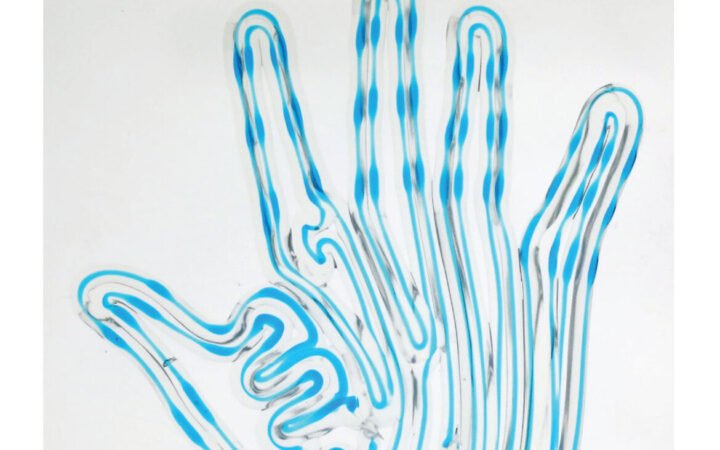
Harvard researchers have introduced a multimaterial 3D printing technique that enables soft robots to bend and morph in predictable ways, potentially simplifying fabrication for surgical and assistive applications.
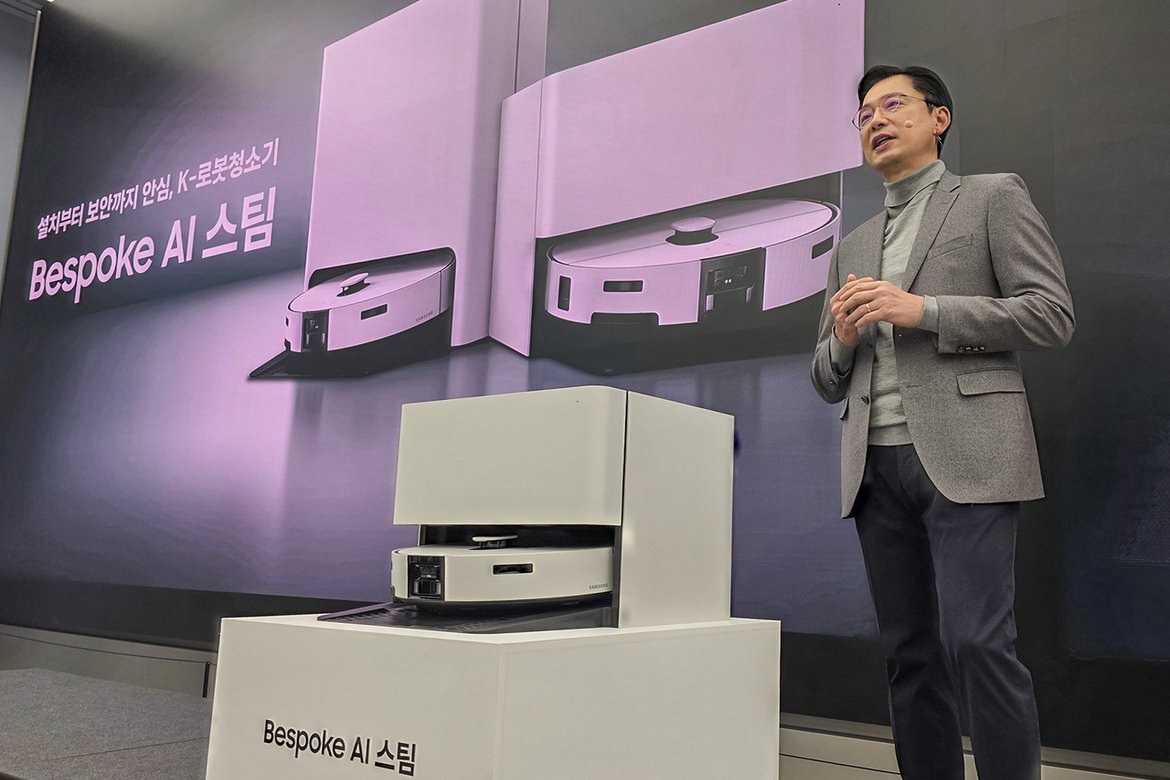
Samsung Electronics has launched a new AI-powered robot vacuum in South Korea, aiming to regain market share from Chinese rivals that currently dominate more than 70 percent of the domestic segment.
Alibaba has unveiled RynnBrain, an artificial intelligence model designed to help robots understand and interact with the physical world, marking the company’s latest move into physical AI and embodied robotics.
China has launched the world’s first humanoid robot free combat league in Shenzhen, turning martial arts-style competition into a real-world testing ground for embodied AI and robotics.
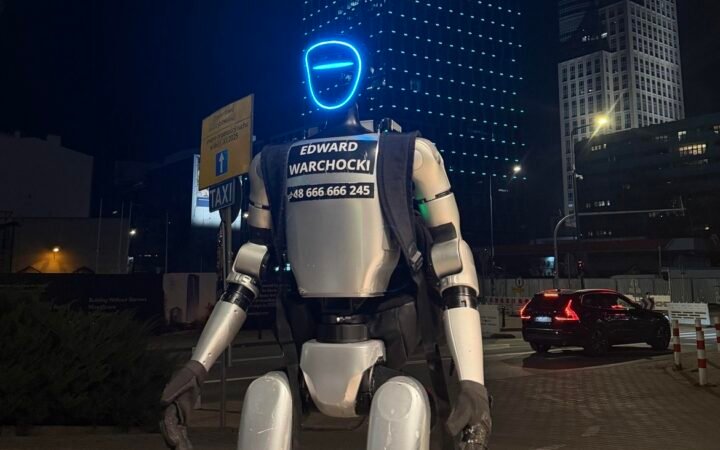
A humanoid robot named Edward Warchocki has rapidly gained attention in Poland’s influencer market, attracting hundreds of thousands of social media followers and landing commercial brand partnerships.
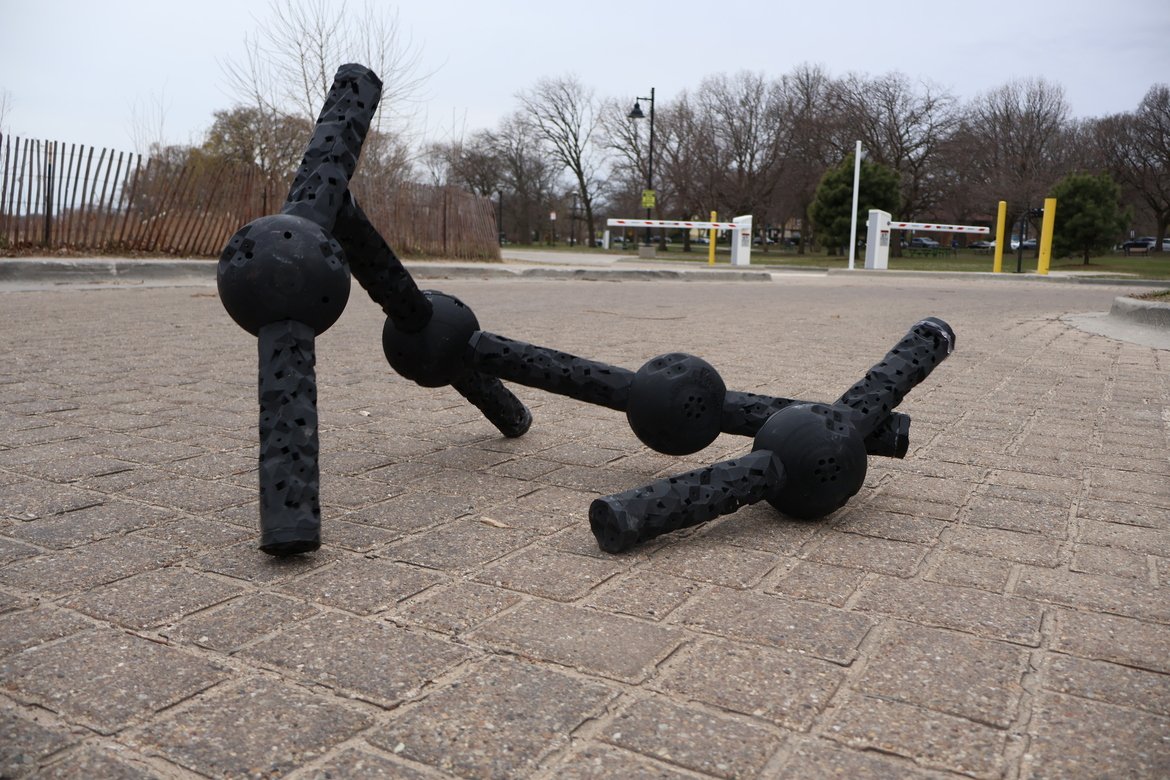
Researchers at Northwestern University have developed modular “legged metamachines” that can flip, jump, and continue operating even after being split into pieces, offering a new approach to resilient robotics.
AI researcher Yann LeCun has raised more than $1 billion for a new startup developing AI systems and robots capable of reasoning about the physical world, challenging the dominance of large language models.
XGSynBot has introduced the Z1 wheeled humanoid robot designed for industrial environments, positioning the system as a flexible platform aimed at closing the gap between AI prototypes and real factory automation.
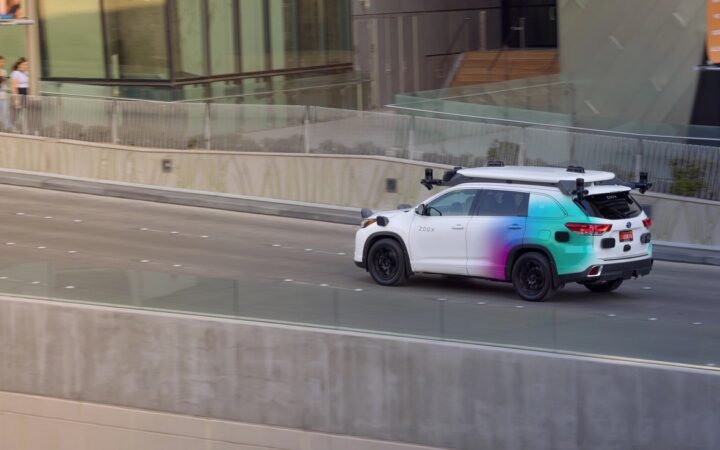
Zoox is expanding testing of its autonomous driving system to Phoenix and Dallas while preparing to deploy its purpose-built robotaxi and integrate its service with the Uber platform.
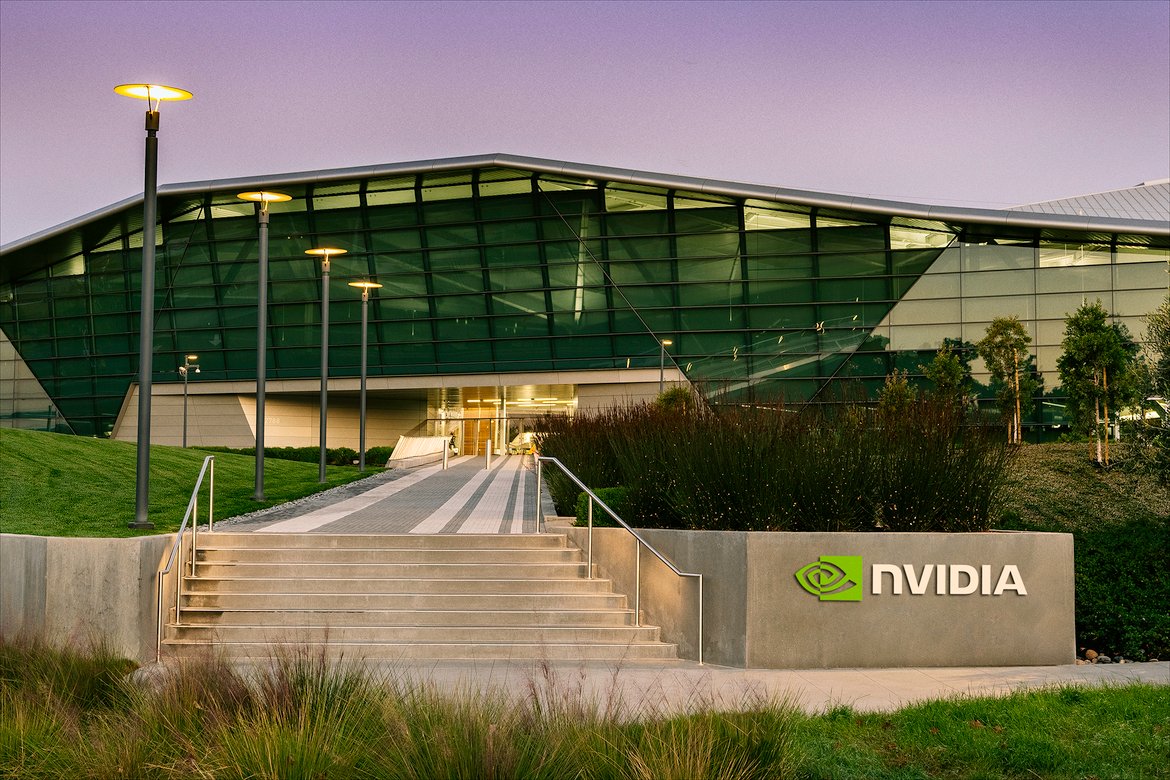
Nvidia’s record revenue and growing physical AI segment highlight the expanding computing demand behind autonomous vehicles and humanoid robots such as Tesla’s Optimus.
U.K.-based Wayve has secured up to $1.5 billion in new funding to expand its AI-driven autonomous driving software, with robotaxi deployments planned in London and integration into consumer vehicles by 2027.
Overland AI has secured $100 million in new funding as militaries accelerate the shift from testing autonomous ground vehicles to deploying them directly with operational units.
Zoox is expanding testing of its autonomous driving system to Phoenix and Dallas while preparing to deploy its purpose-built robotaxi and integrate its service with the Uber platform.
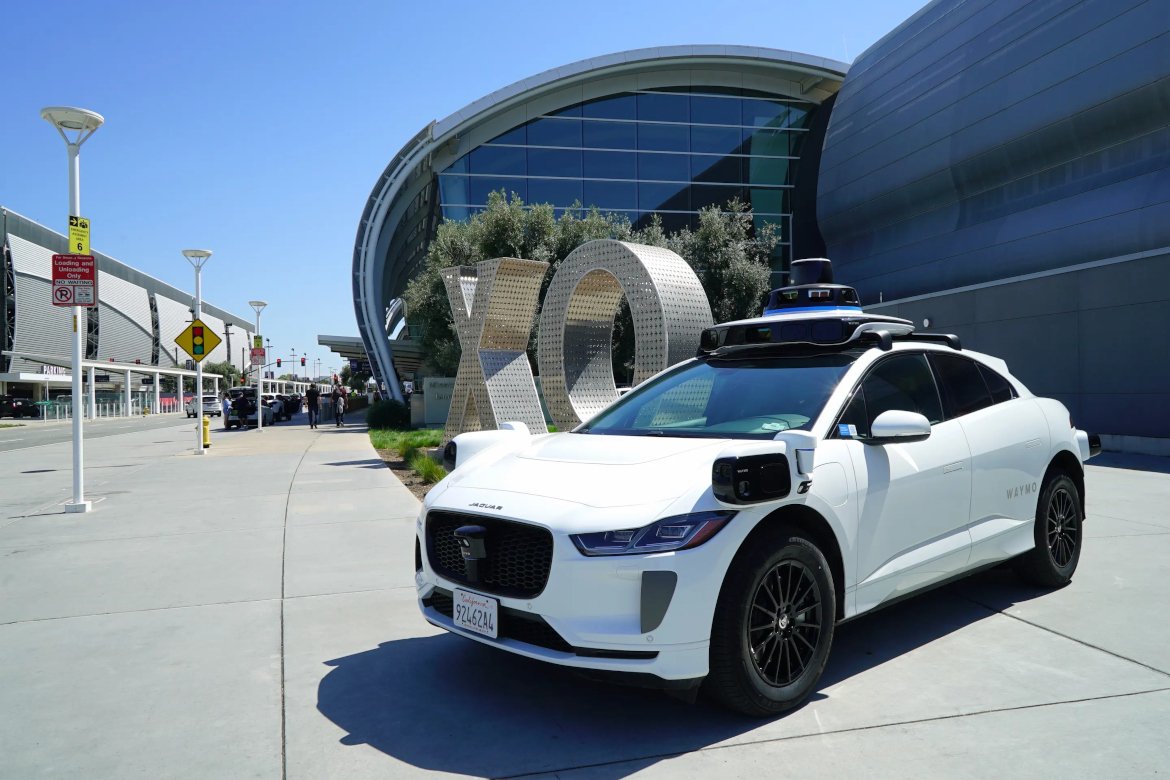
Waymo has secured $16 billion in new funding to expand its autonomous ride-hailing service, accelerate fleet deployment, and support international launches in Europe and Asia.
Kodiak has entered a strategic agreement with Bosch to scale production-grade autonomous trucking hardware, aiming to accelerate commercial deployment of driverless trucks.
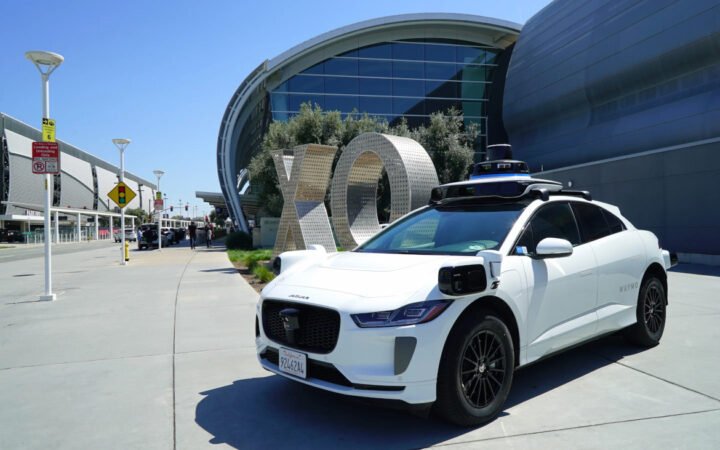
Waymo has secured $16 billion in new funding to expand its autonomous ride-hailing service, accelerate fleet deployment, and support international launches in Europe and Asia.

STMicroelectronics plans to deploy humanoid robots and retrain workers in older semiconductor plants as the European chipmaker looks to boost efficiency and avoid factory closures.
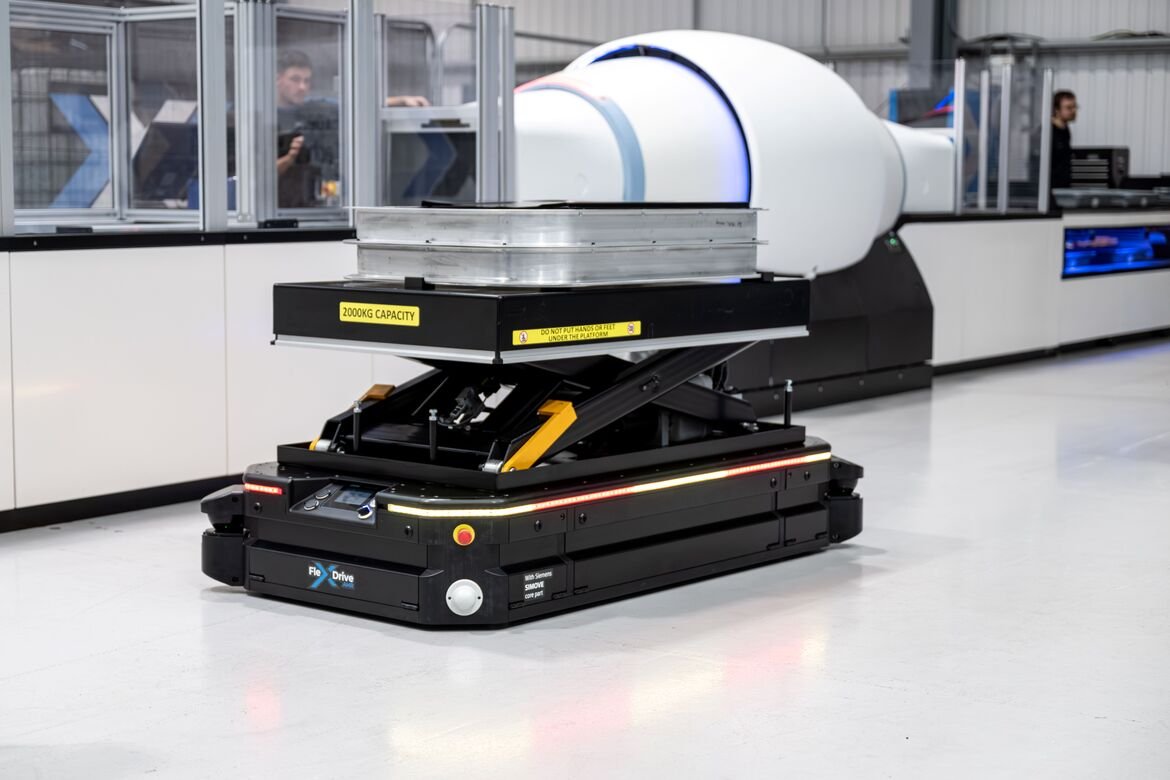
Siemens and two robotics partners have launched the UK’s first fully customizable autonomous mobile robot manufacturing capability, aimed at modernizing factory logistics and industrial automation.
Google has brought robotics software company Intrinsic fully in house, signaling a major push to integrate its AI models and cloud infrastructure into industrial robotics.
Indian robotics startup CynLr has unveiled its Object Intelligence platform, designed to let robots learn and manipulate previously unseen objects in seconds without offline retraining.
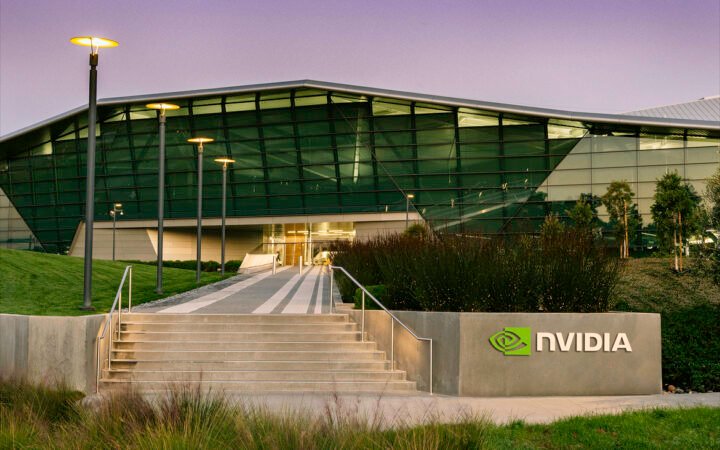
Nvidia’s record revenue and growing physical AI segment highlight the expanding computing demand behind autonomous vehicles and humanoid robots such as Tesla’s Optimus.
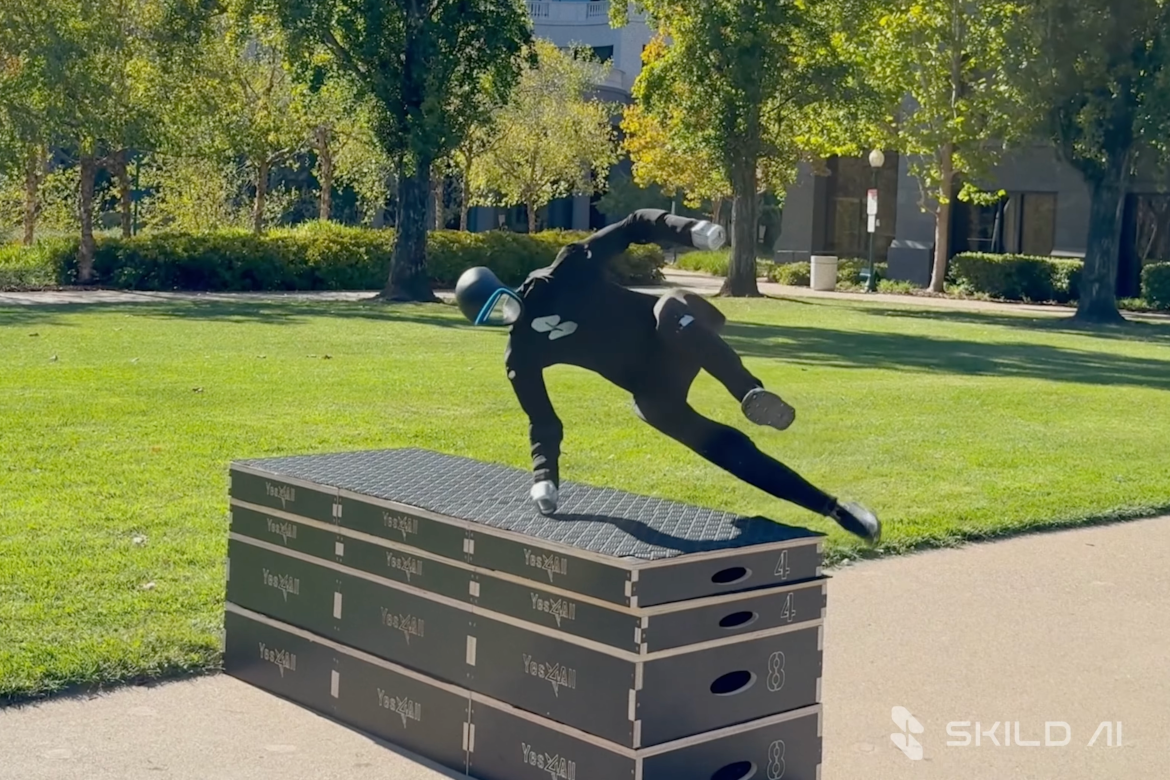
Skild AI raised nearly $1.4 billion in a funding round led by SoftBank, valuing the robotics AI company at more than $14 billion as it scales a unified foundation model for robots.
Wing and Walmart will add drone delivery to 150 more stores, aiming to reach over 40 million Americans and build the largest residential drone delivery network in the U.S.
CES 2026 marked a turning point for Physical AI, as humanoids, autonomous machines, and AI-driven platforms moved from experiments to scalable, real-world systems.
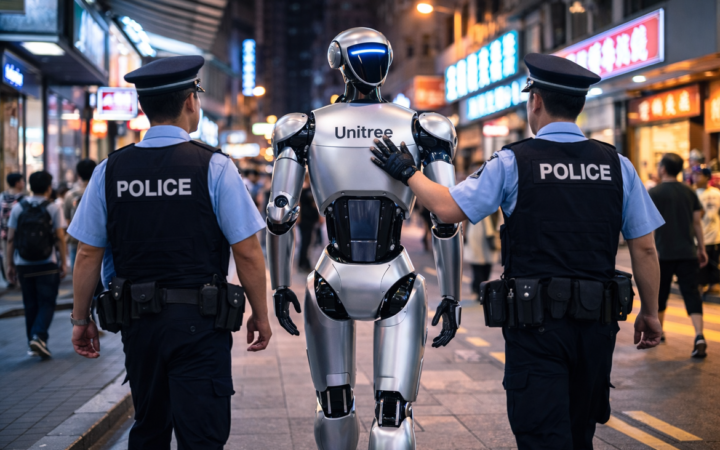
A humanoid robot used for promotional activities in Macau was escorted away by police after startling a pedestrian, highlighting new challenges as robots increasingly appear in public spaces.
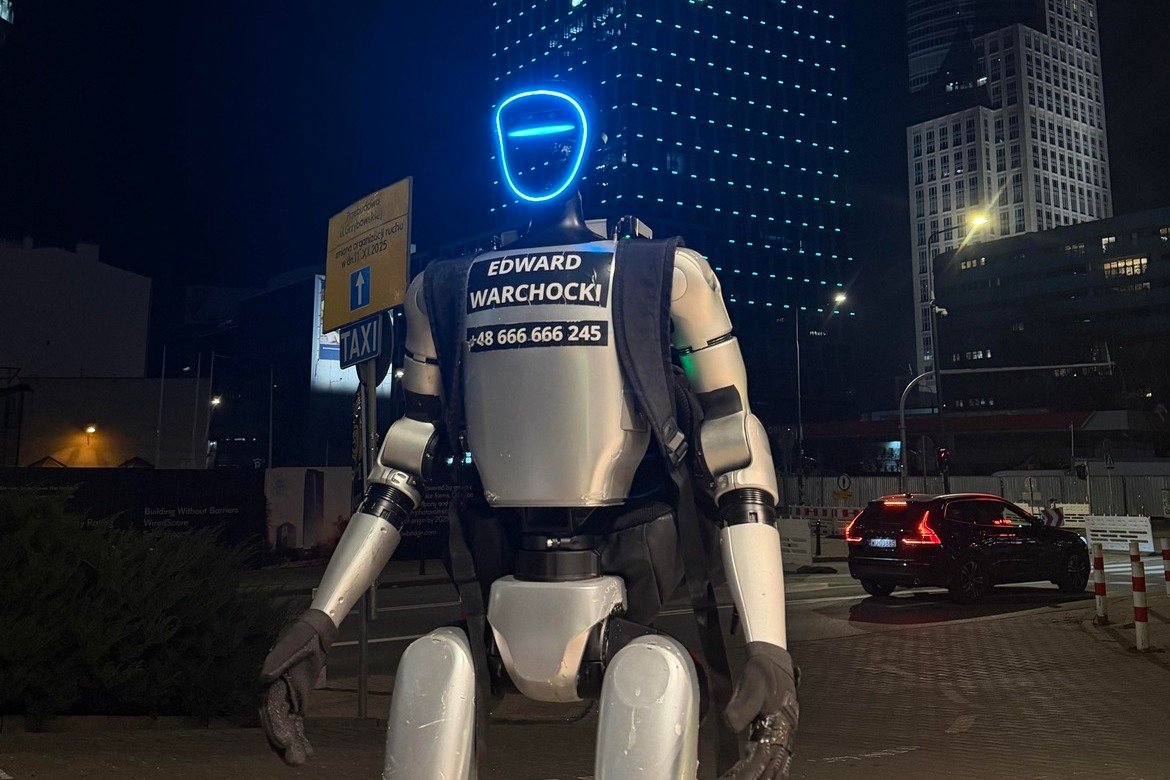
A humanoid robot named Edward Warchocki has rapidly gained attention in Poland’s influencer market, attracting hundreds of thousands of social media followers and landing commercial brand partnerships.
Kyoto University researchers have introduced Buddharoid, a humanoid robot monk trained on Buddhist scriptures, as AI begins to expand into cultural and spiritual roles.
Yukai Engineering’s Mirumi, a small robotic bag charm, is entering global markets as robotics companies explore emotionally expressive consumer products tied to fashion and collectibles.
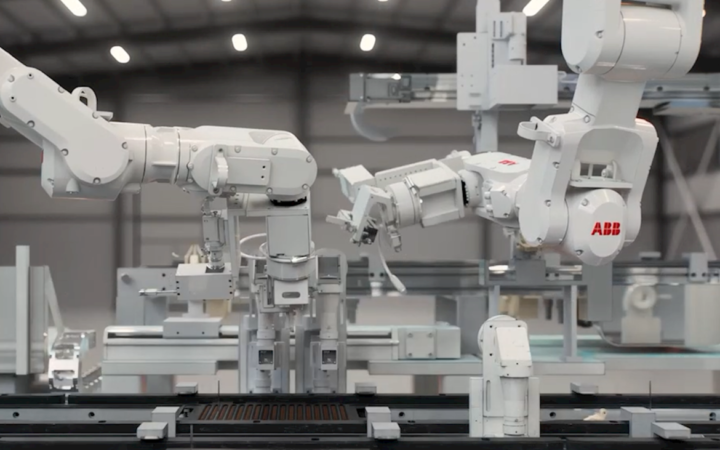
ABB Robotics is integrating NVIDIA Omniverse simulation technology into its RobotStudio platform to train factory robots using synthetic data and digital twins, aiming to close the long-standing gap between virtual training and real-world deployment.
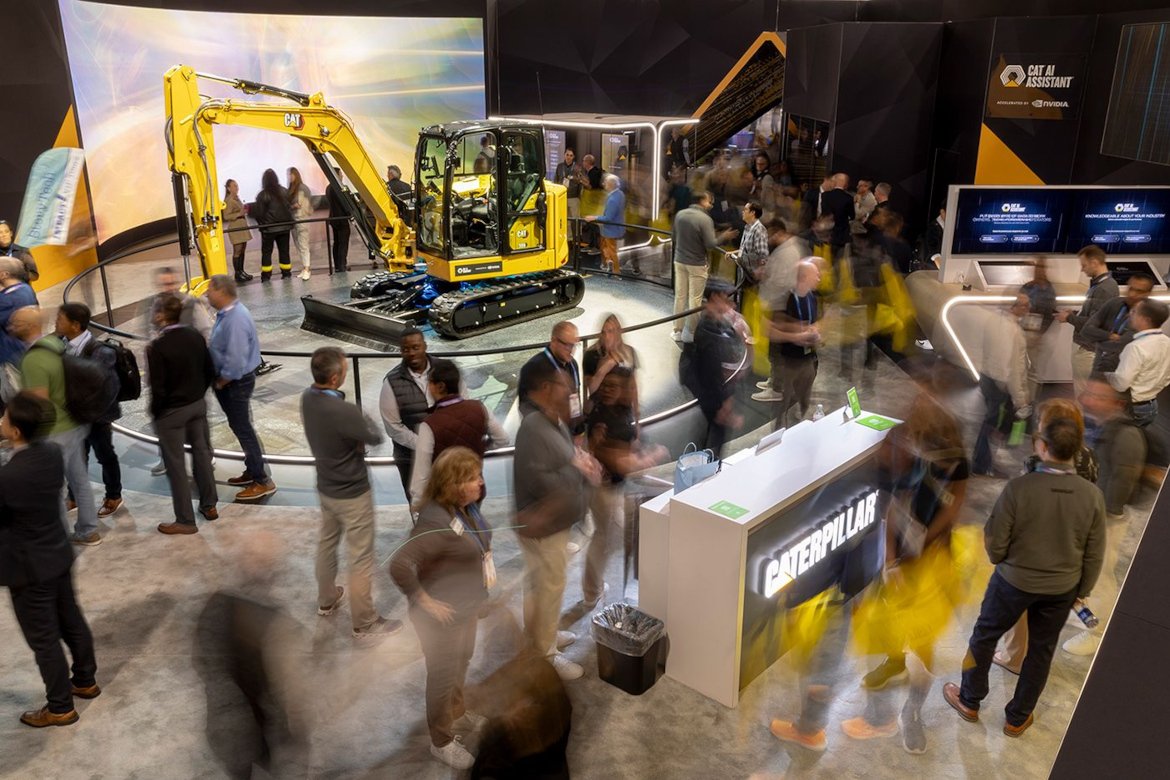
Caterpillar and NVIDIA deepened their partnership at CES 2026, outlining how Physical AI will transform construction, mining, manufacturing, and industrial supply chains.
London-based startup Humanoid moved from concept to a functional alpha prototype of its HMND 01 robot in seven months, compressing a development cycle that typically takes up to two years.

Google has brought robotics software company Intrinsic fully in house, signaling a major push to integrate its AI models and cloud infrastructure into industrial robotics.
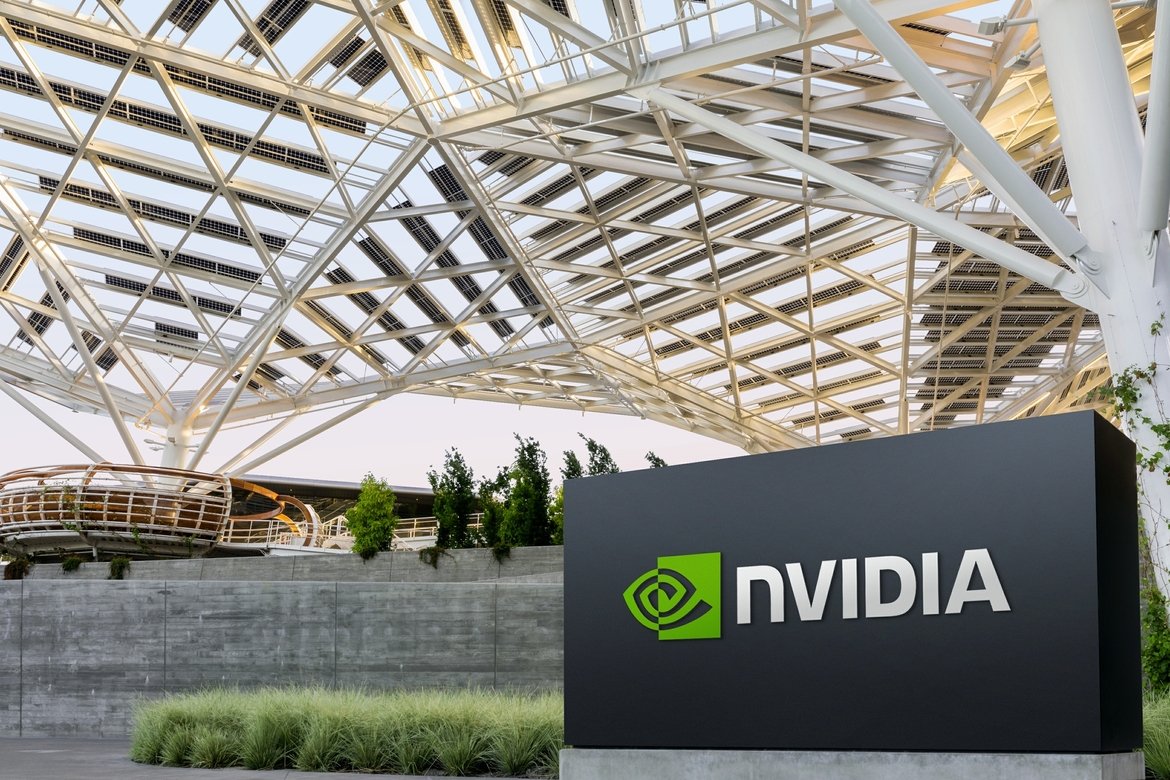
NVIDIA has unveiled Cosmos Policy, a unified AI model for robot control and planning built on its world foundation models, improving manipulation performance and real-world task execution.
Xiaomi has released Robotics-0, an open-source Vision-Language-Action (VLA) model designed to enable real-time perception and control for embodied AI systems, marking a strategic push into foundational robotics software.
CES 2026 marked a turning point for Physical AI, as humanoids, autonomous machines, and AI-driven platforms moved from experiments to scalable, real-world systems.
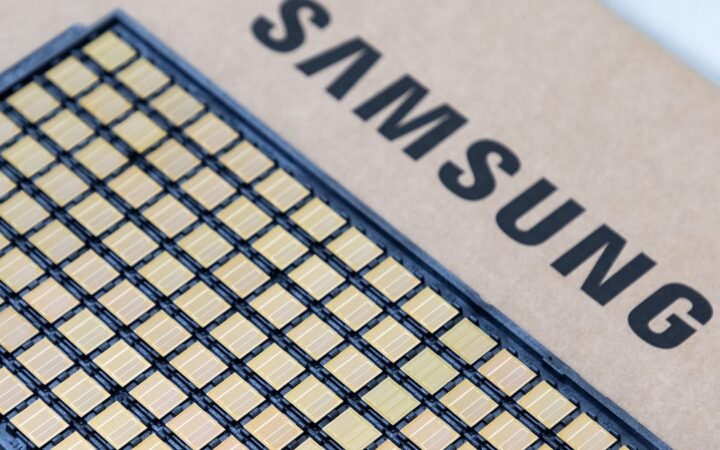
Samsung Electronics plans to convert its global manufacturing network into AI driven factories by 2030, integrating agentic AI, robotics, and digital twins across production.
Caterpillar and NVIDIA deepened their partnership at CES 2026, outlining how Physical AI will transform construction, mining, manufacturing, and industrial supply chains.
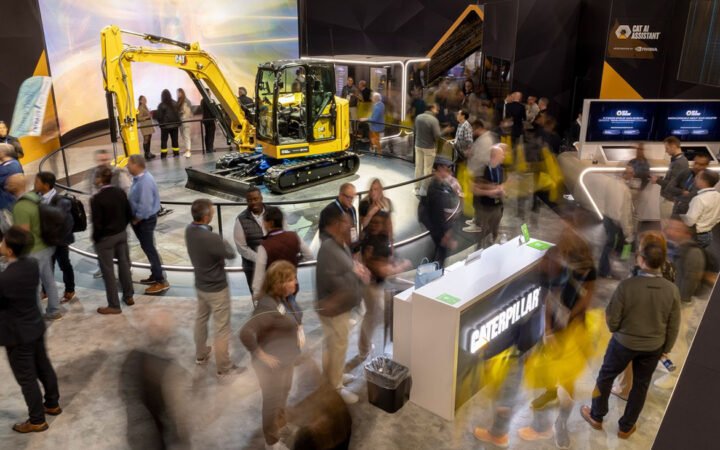
Caterpillar and NVIDIA deepened their partnership at CES 2026, outlining how Physical AI will transform construction, mining, manufacturing, and industrial supply chains.
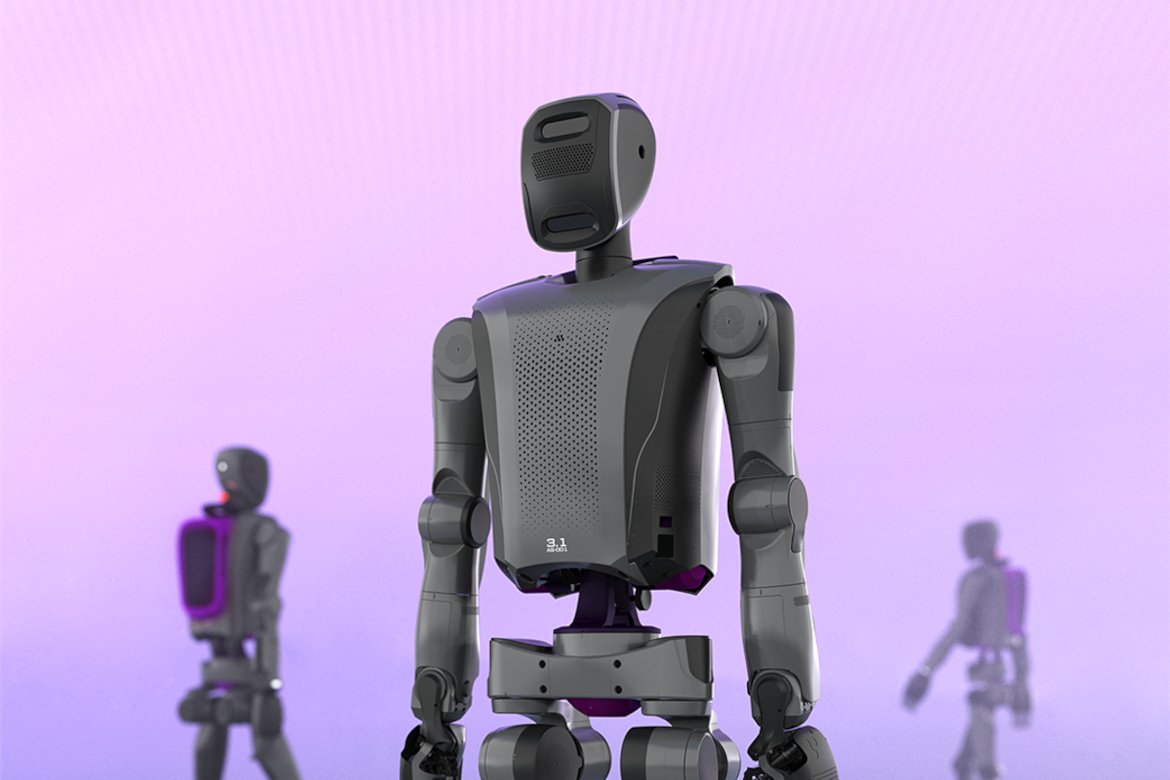
Mobileye agreed to acquire humanoid robotics startup Mentee Robotics for $900 million, expanding its autonomy technology from vehicles into Physical AI and general-purpose humanoid robots.
Mercado Libre has entered a commercial agreement with Agility Robotics to deploy Digit humanoid robots in its logistics operations, starting with a pilot facility in Texas.
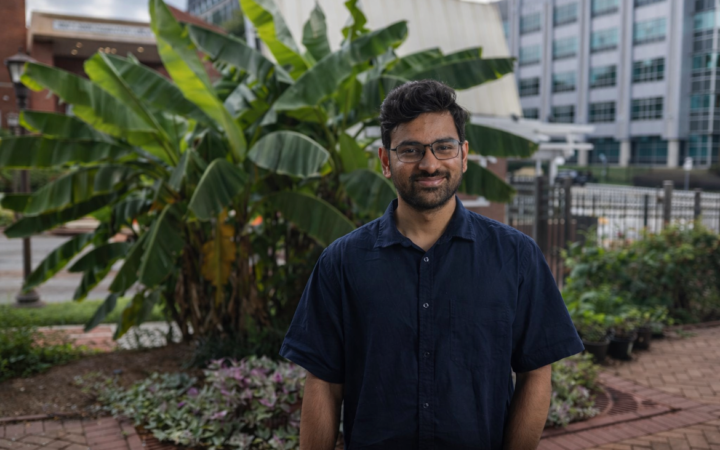
Researchers at Georgia Tech have developed a robot pollinator that uses computer vision and 3D modeling to automate flower pollination in indoor farms.
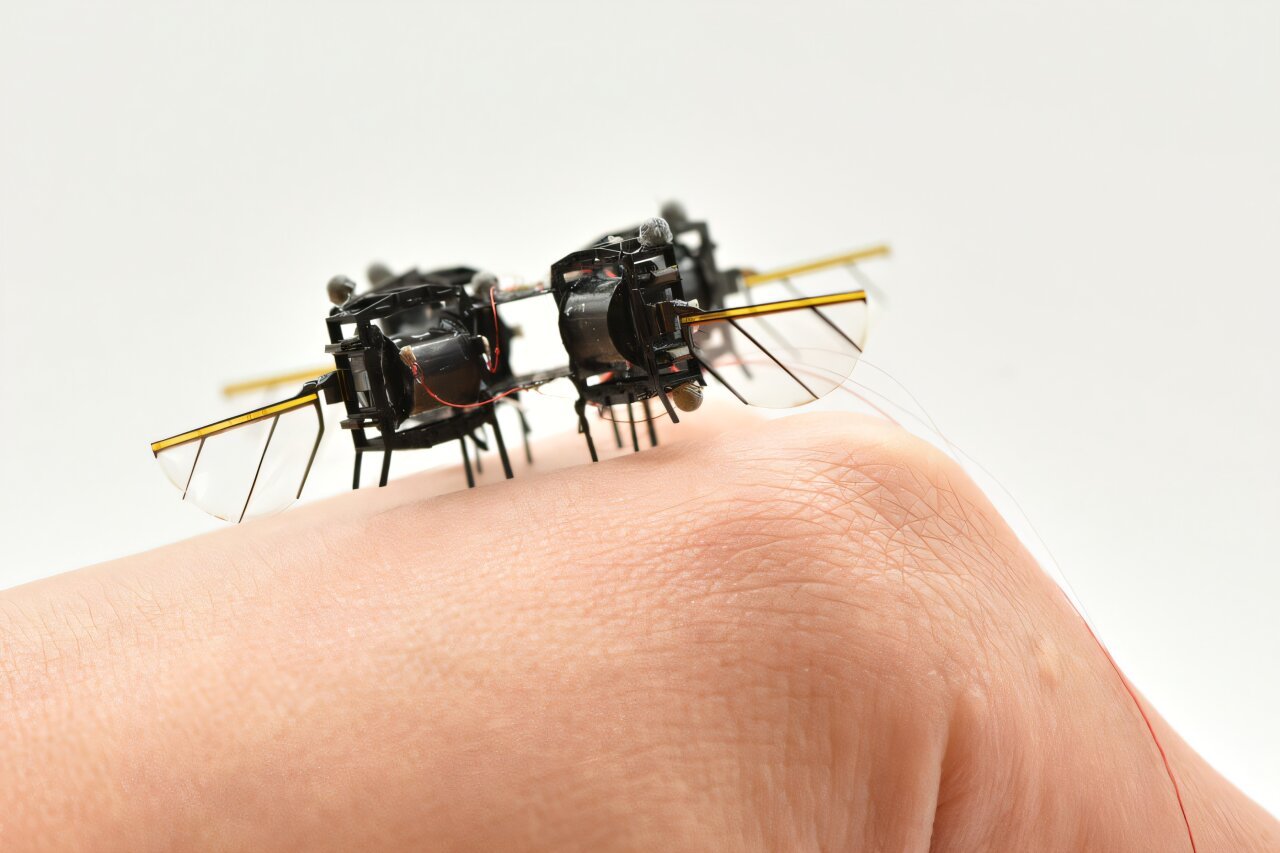
MIT engineers developed an AI-controlled aerial microrobot capable of flying with speed and agility comparable to insects, marking a major advance in micro-scale robotics.

Qualcomm CEO Cristiano Amon says robotics will become a major revenue stream by 2028, as the company positions its Dragonwing chip at the center of the physical AI market.

Asus is winding down new smartphone development as it redirects resources toward AI computing, robotics, and physical AI systems for industrial and enterprise markets.
CES 2026 marked a turning point for Physical AI, as humanoids, autonomous machines, and AI-driven platforms moved from experiments to scalable, real-world systems.
Samsung unveiled its “Companion to AI Living” vision at CES 2026, outlining how AI will connect entertainment, home appliances, health, and services into a unified ecosystem.
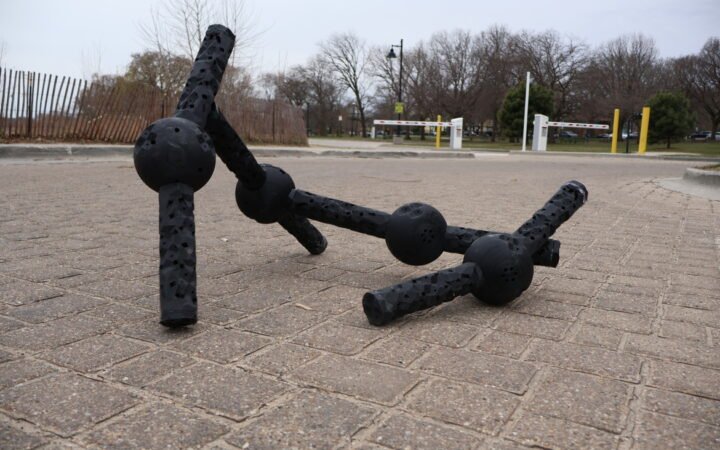
Researchers at Northwestern University have developed modular “legged metamachines” that can flip, jump, and continue operating even after being split into pieces, offering a new approach to resilient robotics.
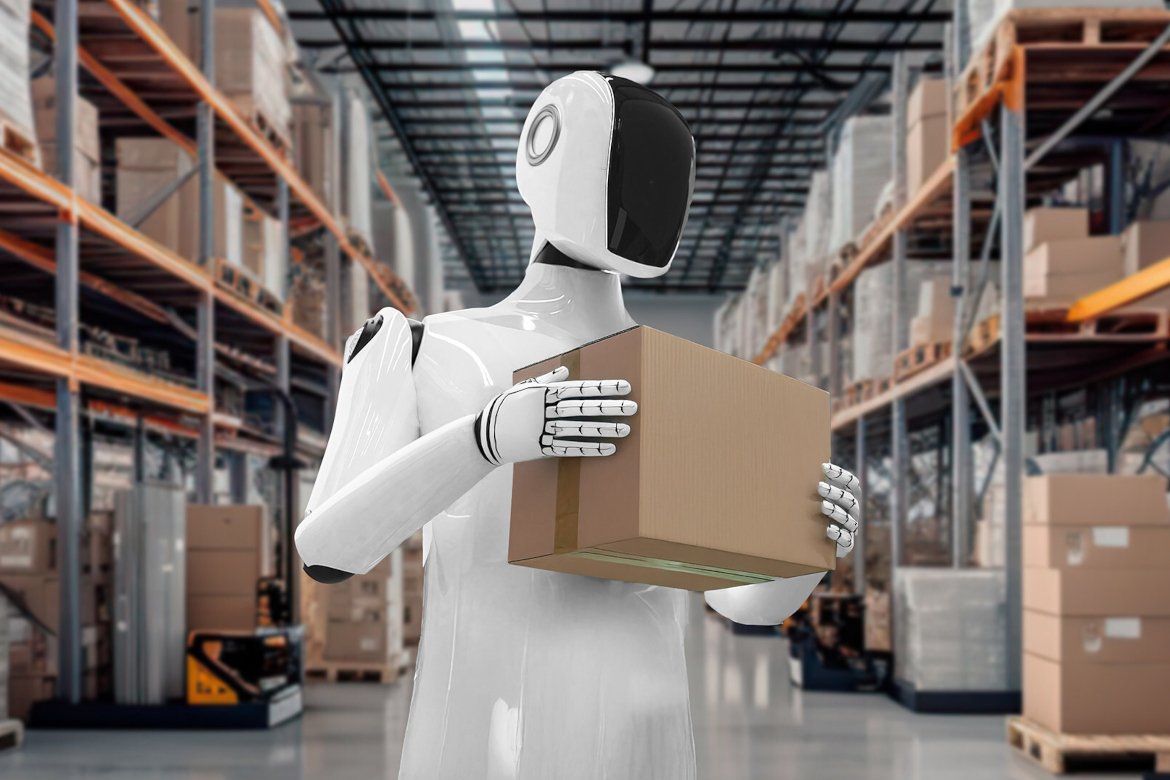
Texas Instruments and NVIDIA are expanding their collaboration to accelerate robots and other physical AI systems by combining advanced sensing, power electronics, and AI computing platforms.
Unitree Robotics has introduced the AS2 quadruped robot, combining high-speed mobility, heavy payload capacity, and LiDAR-enabled autonomy for industrial and field applications.
Hefei’s metro system has deployed robot dogs, drones, and humanoid robots to automate inspections, improve safety, and modernize urban rail operations.
Caterpillar and NVIDIA deepened their partnership at CES 2026, outlining how Physical AI will transform construction, mining, manufacturing, and industrial supply chains.
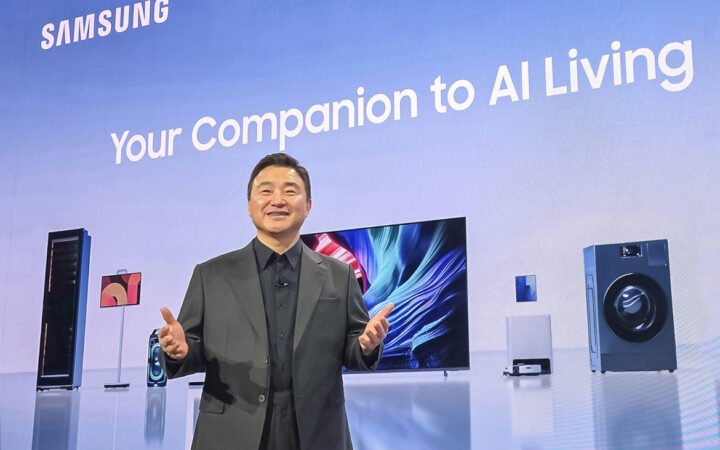
Samsung unveiled its “Companion to AI Living” vision at CES 2026, outlining how AI will connect entertainment, home appliances, health, and services into a unified ecosystem.

Mind Robotics, a startup spun out of electric vehicle maker Rivian, has raised $500 million to develop AI-powered industrial robots designed for more adaptable factory automation.
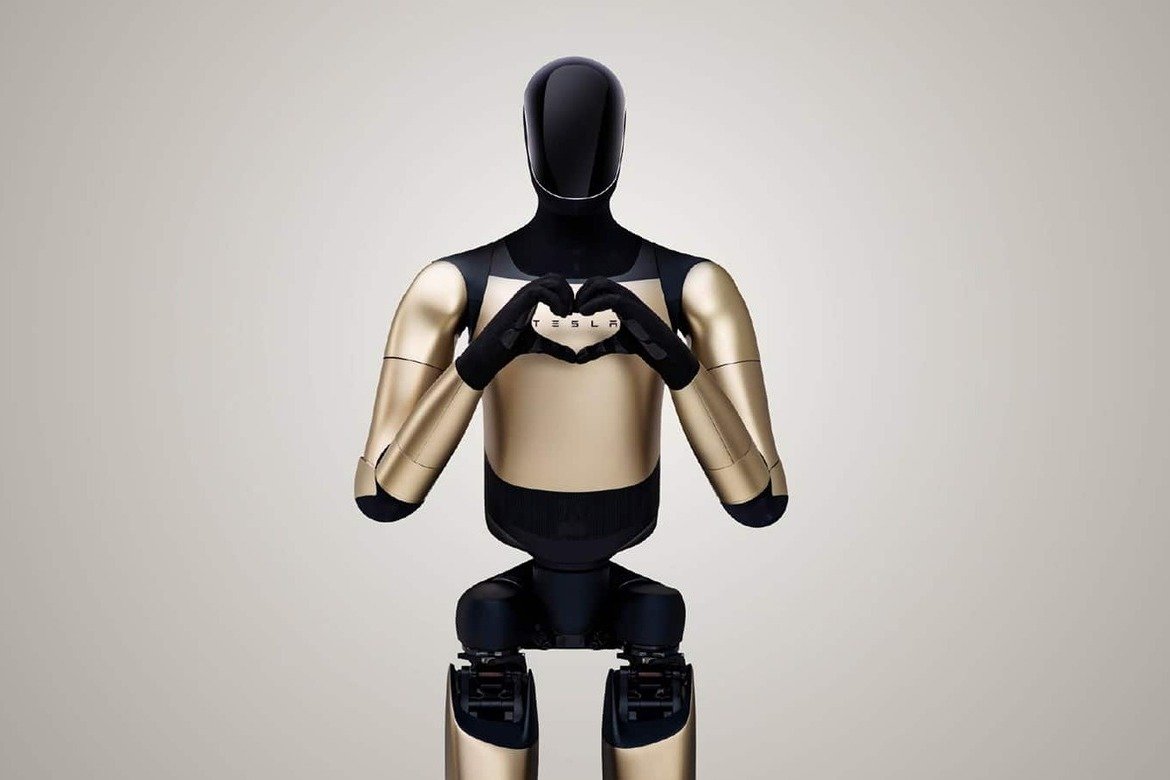
Tesla has teased a new generation of humanoid robot hands for Optimus, suggesting the company is focusing on improved dexterity as it develops its next iteration of the humanoid platform.
Qualcomm and NEURA Robotics have announced a strategic collaboration to develop next-generation robotics platforms, combining edge AI processors with full-stack robotics systems to accelerate the deployment of cognitive robots.
Agility Robotics has rebranded as Agility, signaling plans to expand beyond its current humanoid robot deployments as competition accelerates across the global humanoid robotics market.
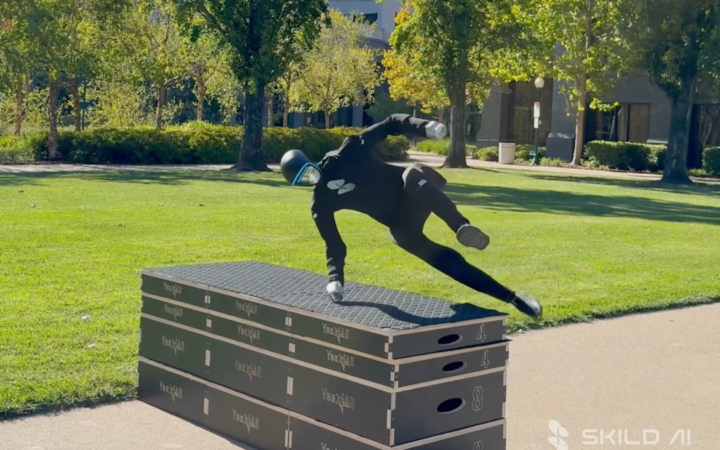
Skild AI raised nearly $1.4 billion in a funding round led by SoftBank, valuing the robotics AI company at more than $14 billion as it scales a unified foundation model for robots.
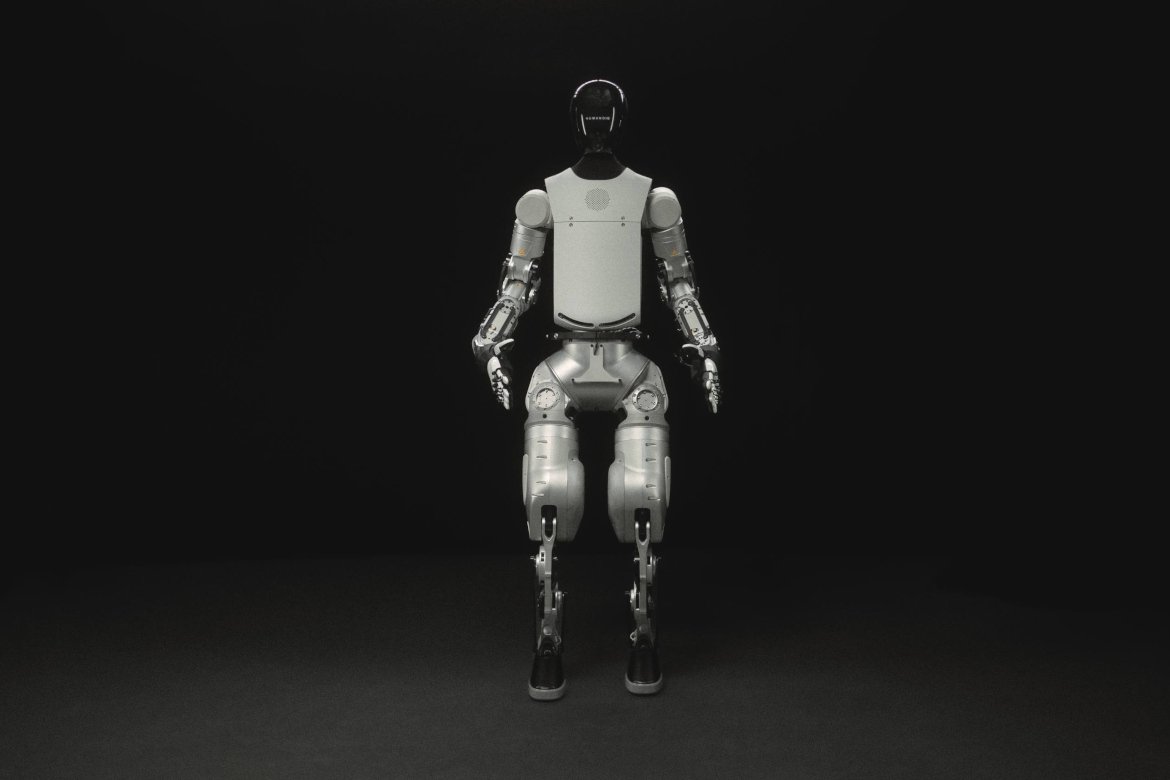
London-based startup Humanoid moved from concept to a functional alpha prototype of its HMND 01 robot in seven months, compressing a development cycle that typically takes up to two years.
Mobileye agreed to acquire humanoid robotics startup Mentee Robotics for $900 million, expanding its autonomy technology from vehicles into Physical AI and general-purpose humanoid robots.
Qualcomm introduced a comprehensive robotics technology stack at CES 2026, unveiling new processors and partnerships aimed at scaling Physical AI from service robots to full-size humanoids.