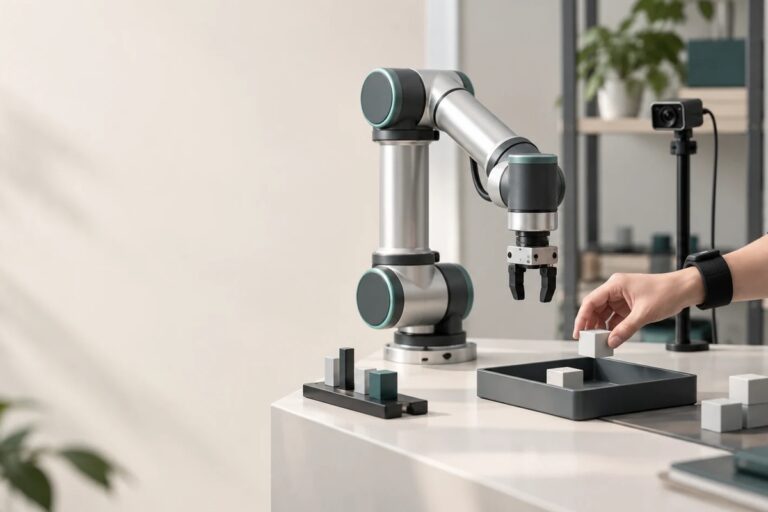
China’s Robot Trainers Repeat Chores 200 Times a Day for Up to $900 a Month
Worker accounts reveal the repetitive labor behind China’s robot-training data, with reported monthly pay of 4,000–6,000 yuan and demanding sample quotas.
Artificial Intelligence (AI) refers to computational systems designed to perform tasks that typically require human intelligence, such as perception, reasoning, learning, and decision-making. In the robotics and automation ecosystem, AI acts as the cognitive layer that enables machines to interpret data, adapt to environments, and operate with increasing autonomy. This topic covers core AI disciplines including machine learning, computer vision, natural language processing, and reinforcement learning, as well as their integration into physical systems. It also examines how advances in AI models, data infrastructure, and edge computing are reshaping industries such as manufacturing, logistics, healthcare, and mobility. Alongside technical developments, the topic addresses governance, safety, and ethical considerations as AI systems become more embedded in real-world operations. AI remains a foundational force driving the evolution of intelligent machines and automated decision-making across the global economy.
Worker accounts reveal the repetitive labor behind China’s robot-training data, with reported monthly pay of 4,000–6,000 yuan and demanding sample quotas.
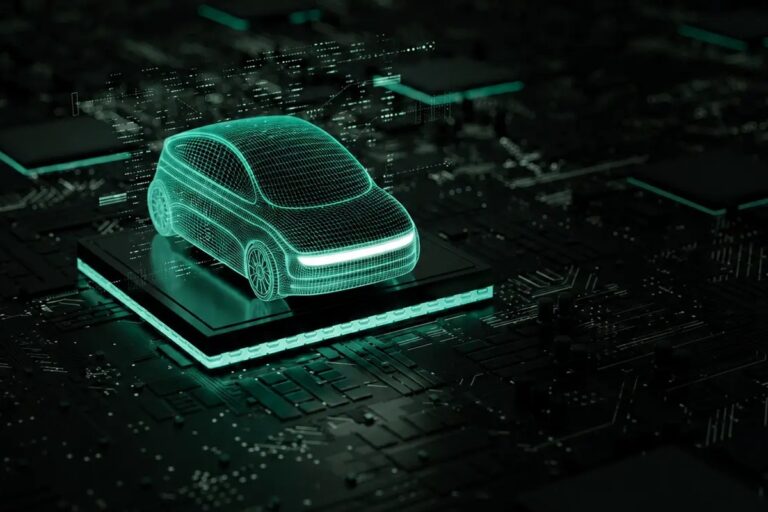
Cubic³ argues that shared AI models could coordinate many robot types, while research shows specialized controllers and hardware limits remain essential.
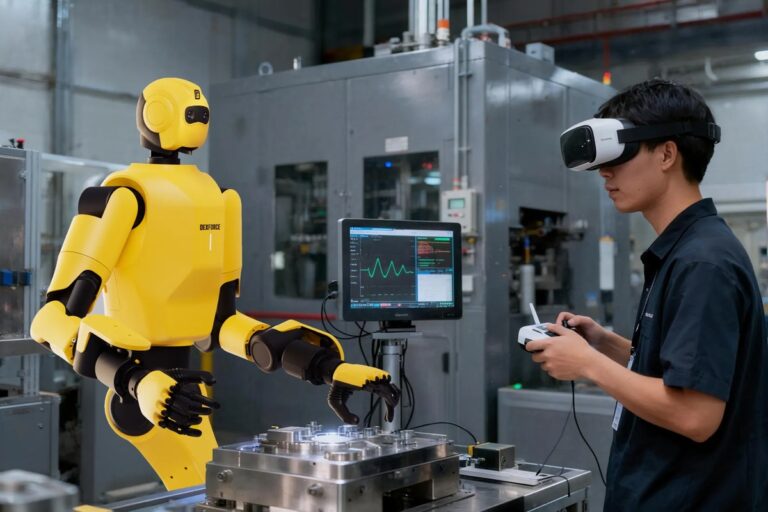
Dexforce is using synthetic scenes to train humanoid robots, betting that simulation can reduce reliance on costly human demonstrations.

Tether’s TranscribePsy brings compact local speech recognition to developers building robot and wearable applications, with distinct phone and laptop builds.
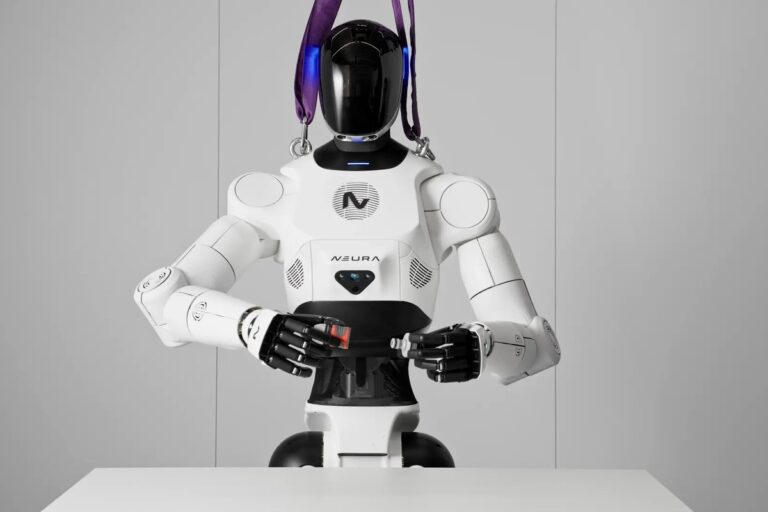
NEURA’s Neuron AI combines vision, touch, sound and memory across its robot family, with a 4NE1 laundry demonstration planned for GTC Berlin.

XPENG introduces its YOYO robotaxi brand and opens registration in China, with overseas trials and external IRON robot sales planned for 2027.
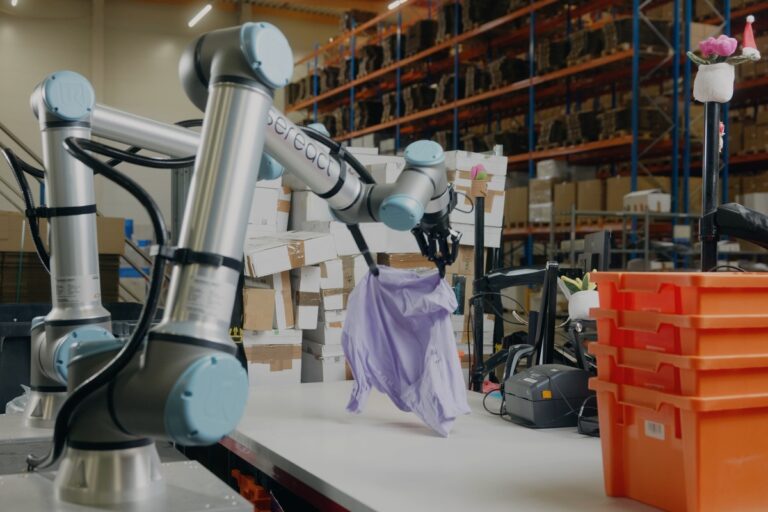
Sereact’s dual-arm robots are processing Zalando returns at CEVA sites in Germany and Poland, targeting one of fashion logistics’ hardest workflows.
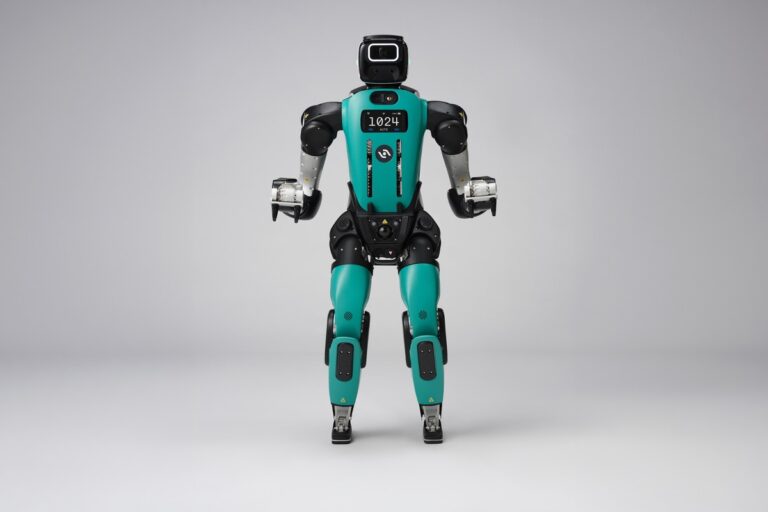
NVIDIA is extending its Halos safety architecture from autonomous vehicles to robotics, with Agility’s Digit 5 showing how the approach could support shared workplaces.

Kawasaki’s Home LEO robot combines companionship and household support for older people, with trials ahead of a planned fiscal 2028 launch.

TwelveLabs’ Pegasus 1.6 adds first-person video understanding to robotics data pipelines, with action labeling, quality checks and native image analysis.

Boston Dynamics appoints former Alexa and Amazon Nova leader Rohit Prasad as CEO as it advances Atlas factory training and physical AI commercialization.
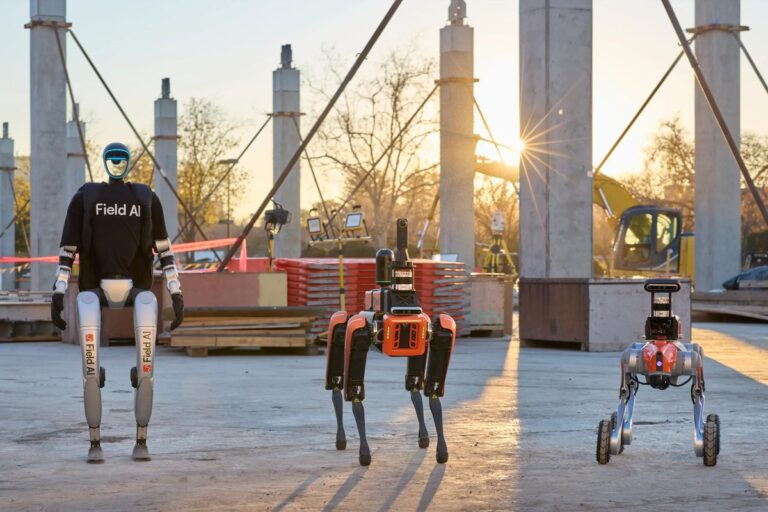
FieldAI is reportedly raising $700 million at a $10 billion valuation to expand its industrial robot autonomy software.