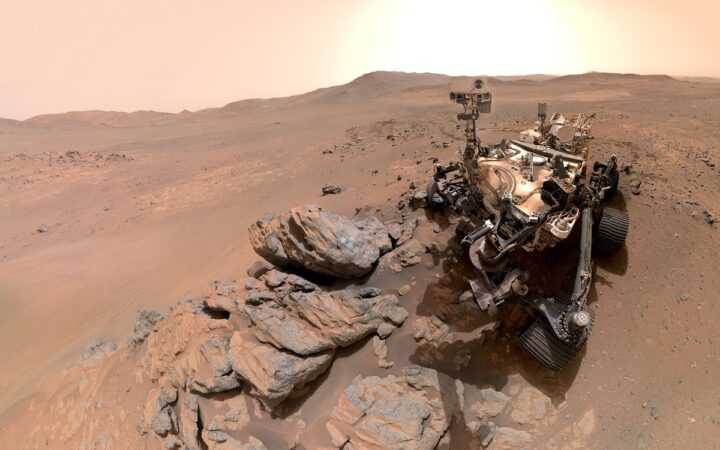
Why Sending Robots to Mars Is Easier Than Sending Humans
Robots can explore Mars without a crew’s life support or return flight, while NASA advances autonomous navigation and coordinated robot teams.
Explore RobotsBeat's latest reporting, research, and expert analysis tagged with "space robotics", collected in one continuously updated archive.
Robots can explore Mars without a crew’s life support or return flight, while NASA advances autonomous navigation and coordinated robot teams.
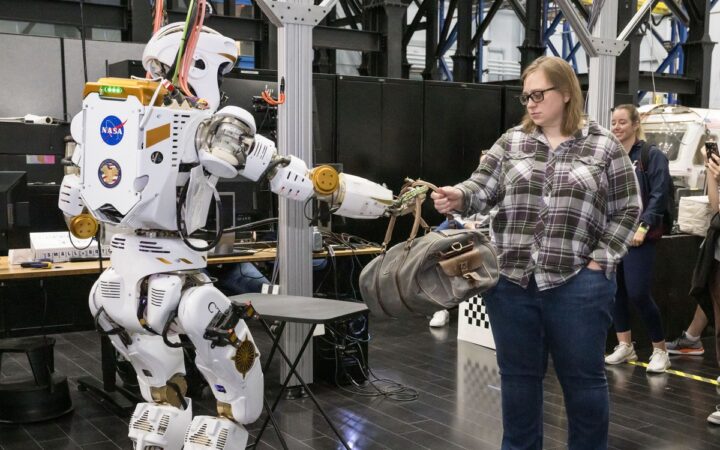
NASA’s Dexterous Robotics Team is testing humanoids, robotic arms and control software to support future Moon and Mars missions, with iMETRO trials focused on practical tasks.
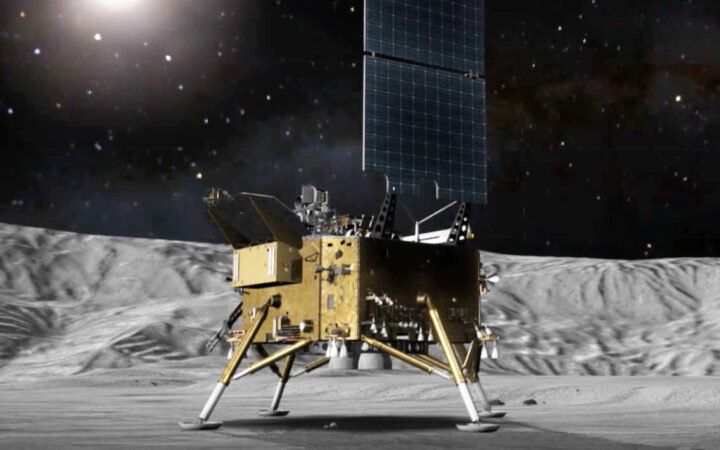
China is developing an autonomous operation robot for its Chang’e-8 lunar mission, planned for around 2028, designed to deploy instruments, collect samples, and support infrastructure construction near the Moon’s south pole using a wheeled chassis with a humanoid torso and dual robotic arms.

Startup Icarus Robotics is preparing to test autonomous free-flying robots aboard the ISS, aiming to automate routine tasks in space operations.

NASA’s Valkyrie humanoid robot is returning to the United States after ten years of research at the University of Edinburgh, marking the next phase in the development of robots designed…