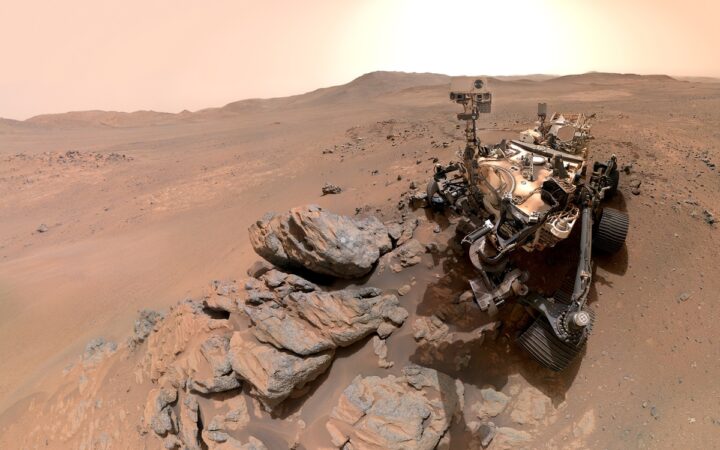
Why Sending Robots to Mars Is Easier Than Sending Humans
Robots can explore Mars without a crew’s life support or return flight, while NASA advances autonomous navigation and coordinated robot teams.
Explore RobotsBeat's latest reporting, research, and expert analysis tagged with "robotics research", collected in one continuously updated archive.
Robots can explore Mars without a crew’s life support or return flight, while NASA advances autonomous navigation and coordinated robot teams.
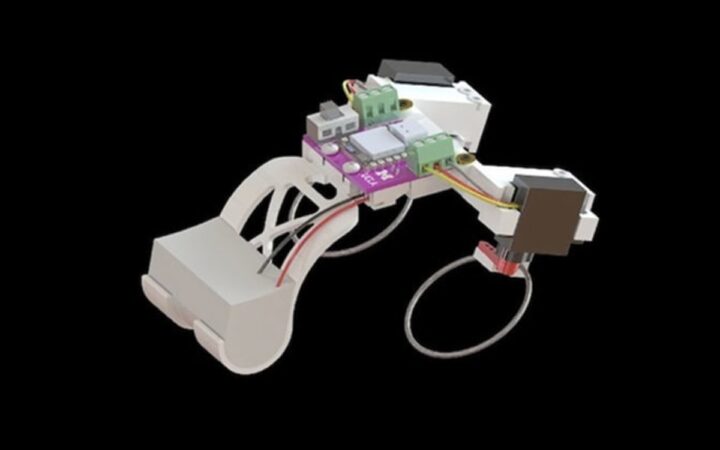
A palm-sized robot from UCLA and Michigan uses snapping elastic limbs to hop across six surfaces, climb small steps and swim with added fins.
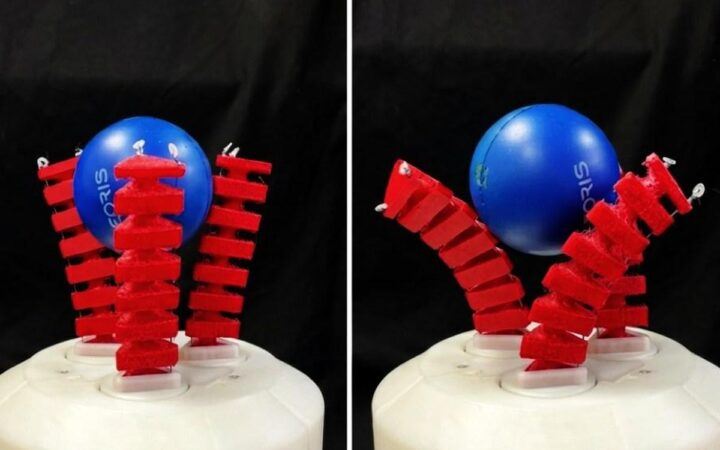
A three-finger soft robotic gripper can rotate objects without releasing them, with tests revealing both its dexterity and current limits.
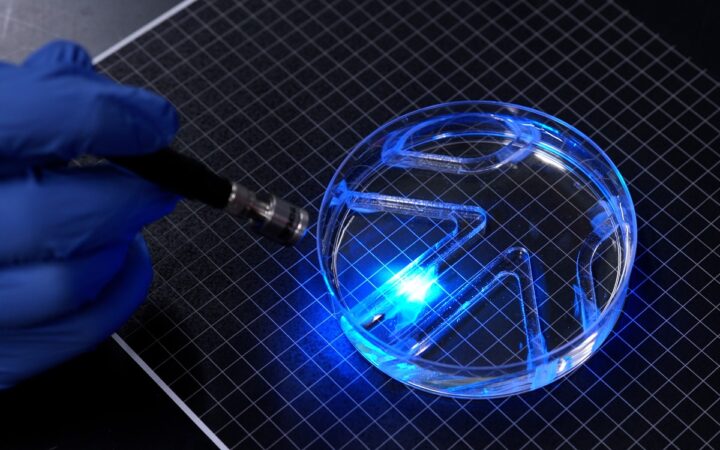
MIT’s thin swimming robot uses light-controlled living muscle to navigate a lab maze, showing a new approach to biohybrid propulsion.
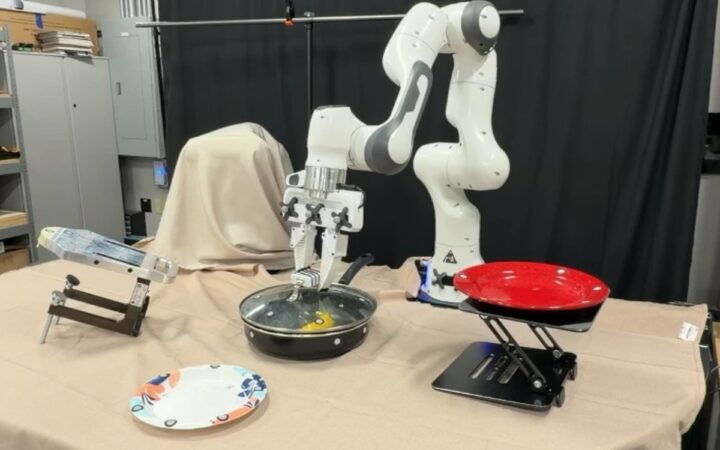
Penn’s SymSkill combines reusable movements with symbolic planning, allowing a robotic arm to complete multi-step tasks and recover from interruptions.
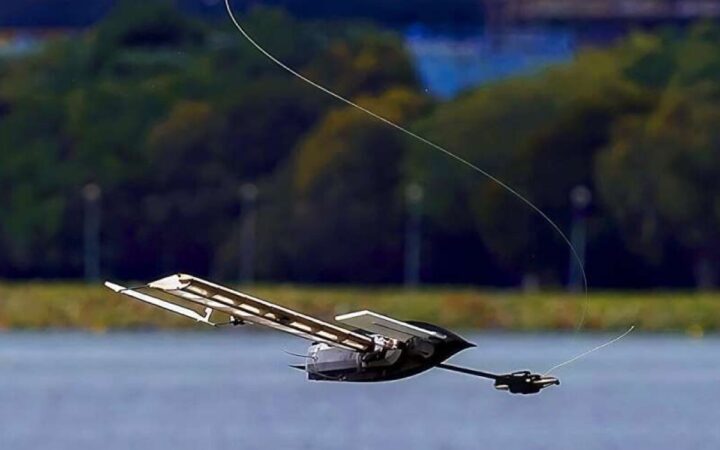
SUTD’s ALBATROSS robot uses the same wings to slow its fall and sail across water, demonstrating aerial deployment and autonomous navigation in reservoir trials.
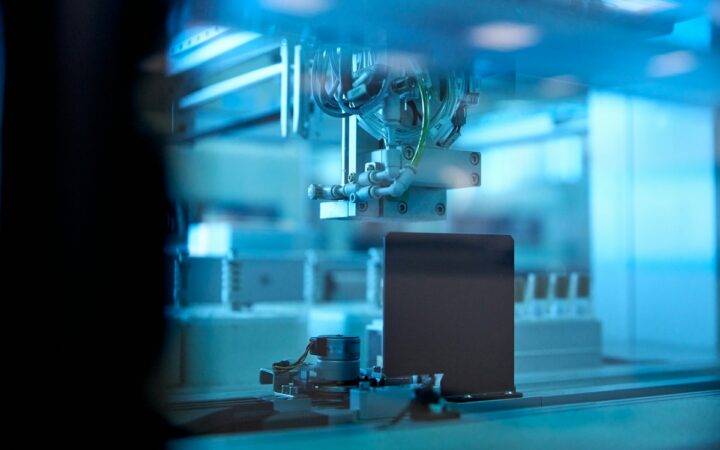
Anthropic’s new study finds a wide gap between robot capabilities and affordable deployment, with cost scenarios pointing to decades before broad physical automation.

Eni and Generative Bionics will assess GENE.01 humanoids for industrial applications, linking robotics development with materials expertise and computing capacity.
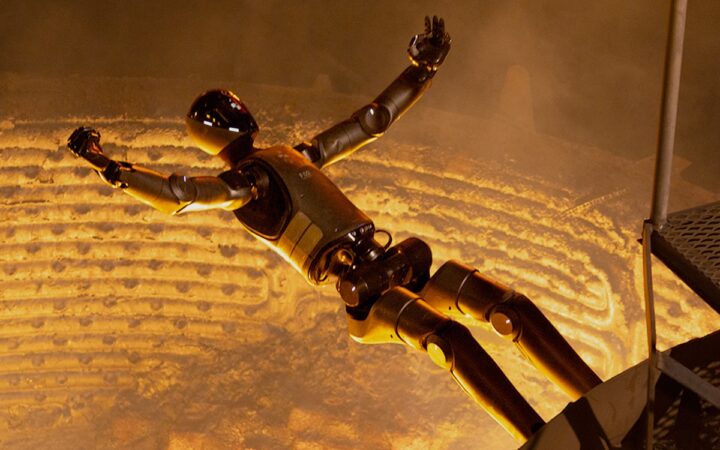
Figure retires most of its F.02 fleet in a Finnish foundry, with Arnold Schwarzenegger joining the film as newer humanoids take over.
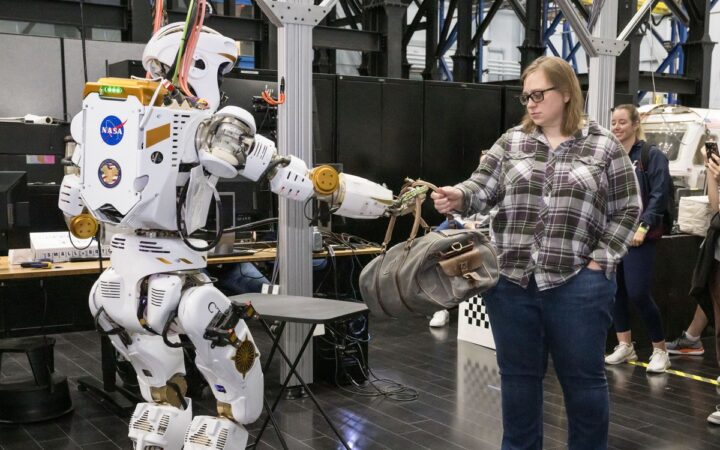
NASA’s Dexterous Robotics Team is testing humanoids, robotic arms and control software to support future Moon and Mars missions, with iMETRO trials focused on practical tasks.
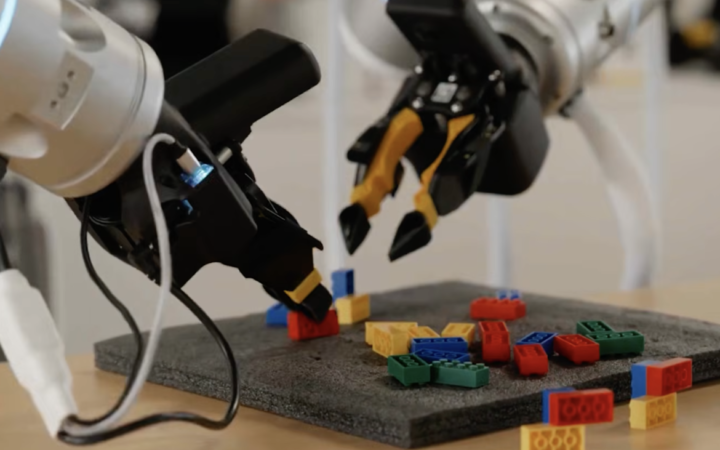
Generalist AI has released GEN-1.5, a robot foundation model that achieves 59% average success on new physical tasks from a single 3-12 second demonstration with no training, rising to 83%…

Researchers at Queen Mary University of London have developed a soft material that changes color under pressure, enabling robots to read touch directly from surface color patterns. The approach captures…
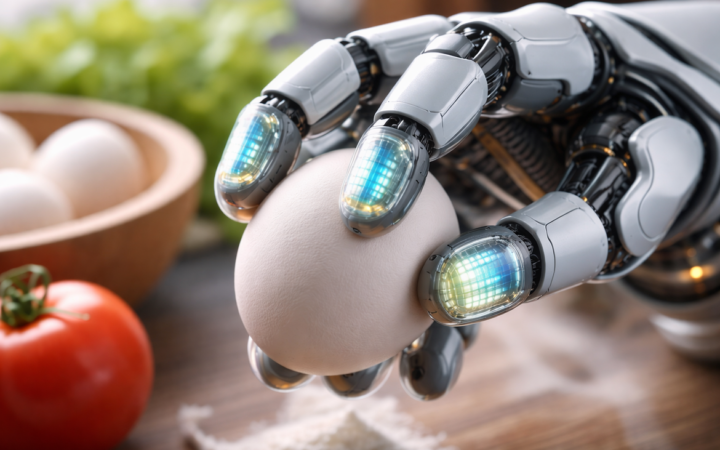
Researchers have developed a flexible sensor that allows robots to detect gentle touch with high precision, marking a step toward safer human-machine interaction.

Researchers have developed a system that allows robots to perform learned tasks faster than human demonstrations, addressing a key limitation in imitation learning.

OpenAI will discontinue its standalone Sora video app months after launch, redirecting resources toward world simulation research aimed at advancing robotics and physical AI.