Qualcomm Bets on Robotics as Core Revenue Driver by 2028
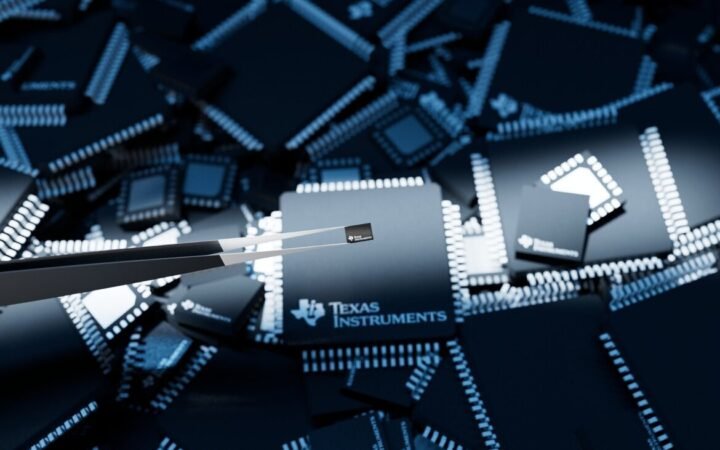
Qualcomm CEO Cristiano Amon says robotics will become a major revenue stream by 2028, as the company positions its Dragonwing chip at the center of the physical AI market.
Explore RobotsBeat's latest reporting, research, and expert analysis tagged with "physical ai", collected in one continuously updated archive.
Qualcomm CEO Cristiano Amon says robotics will become a major revenue stream by 2028, as the company positions its Dragonwing chip at the center of the physical AI market.
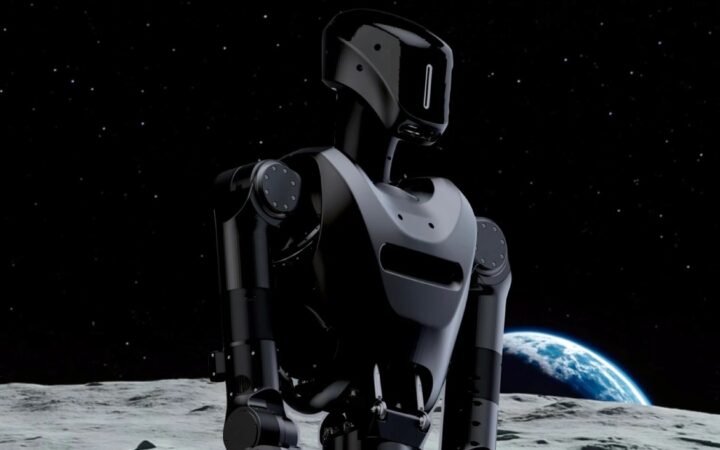
BMW has introduced the AEON humanoid robot at its Leipzig plant to automate battery assembly tasks as part of a broader push into physical AI-powered manufacturing.
Xiaomi is preparing to release a new robotics product this year as the company deepens investment in AI, chips, and operating systems to compete in embodied intelligence.
Beijing-based Noetix Robotics has raised nearly $140 million in a Series B round led by a CATL-backed investment fund as it develops humanoid and biomimetic consumer robots.
Xiaomi has deployed a humanoid robot on its EV assembly line, marking a step toward large-scale industrial use of embodied AI in automotive manufacturing.
Samsung Electronics plans to convert its global manufacturing network into AI driven factories by 2030, integrating agentic AI, robotics, and digital twins across production.
Unitree Robotics has introduced the AS2 quadruped robot, combining high-speed mobility, heavy payload capacity, and LiDAR-enabled autonomy for industrial and field applications.
Researchers at Osnabrück University are building an AI-powered robotic system to identify and sort smart textiles, aiming to make e-textile recycling scalable and sustainable.
Hyundai’s Atlas humanoid robot is emerging as a major challenger to Tesla’s Optimus as automakers race to dominate what analysts see as a multi-trillion-dollar robotics market.
Nvidia’s record revenue and growing physical AI segment highlight the expanding computing demand behind autonomous vehicles and humanoid robots such as Tesla’s Optimus.
German Chancellor Friedrich Merz toured Unitree Robotics in Hangzhou, signaling Berlin’s interest in expanding cooperation with China’s fast-growing robotics and AI sector.
China’s robotics technology has reached approximately 98% of U.S. capability, according to MIT Professor Sangbae Kim, highlighting the growing importance of data and industrial scale in physical AI.
Kyoto University researchers have introduced Buddharoid, a humanoid robot monk trained on Buddhist scriptures, as AI begins to expand into cultural and spiritual roles.
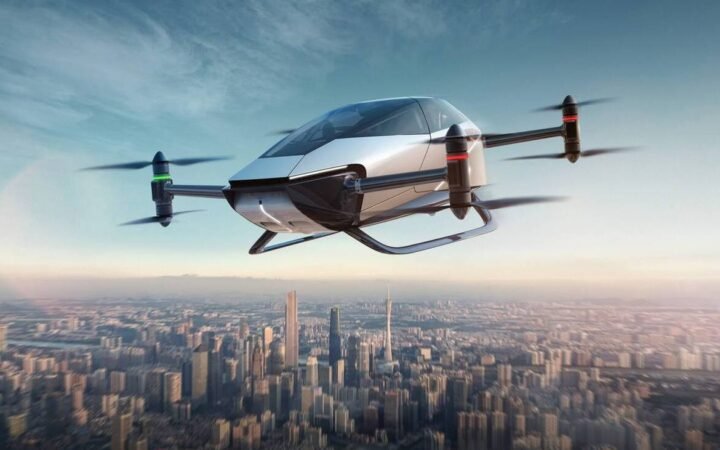
Xpeng has started building a dedicated humanoid robot manufacturing base in Guangzhou, aiming to achieve large-scale production by 2026 using vertically integrated AI and robotics technology.
Google has brought robotics software company Intrinsic fully in house, signaling a major push to integrate its AI models and cloud infrastructure into industrial robotics.