UN Secretary-General António Guterres opened the inaugural UN Global Dialogue on AI Governance in Geneva on July 6, calling for far-reaching global controls on artificial intelligence – including an explicit ban on autonomous weapons systems – as increasingly powerful AI chips designed for civilian use migrate to the battlefield. “Killer robots” are already operational, Guterres told delegates, representing a deployment trajectory that has outpaced both regulatory frameworks and public understanding.
The two-day summit brought together companies, researchers, technical experts, civil society representatives, and policymakers in what the UN described as the first structured international effort to establish collective direction on AI governance since the technology went mainstream in 2023.
The Weapons and Safety Argument
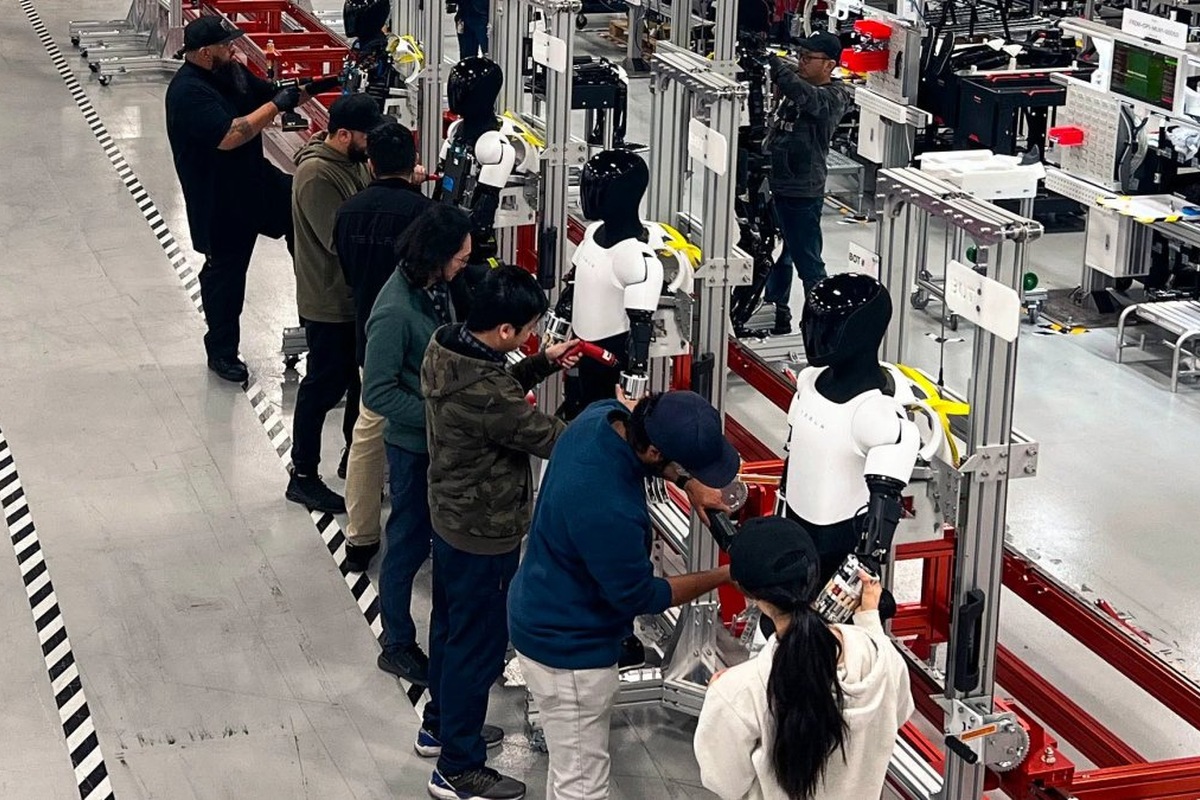
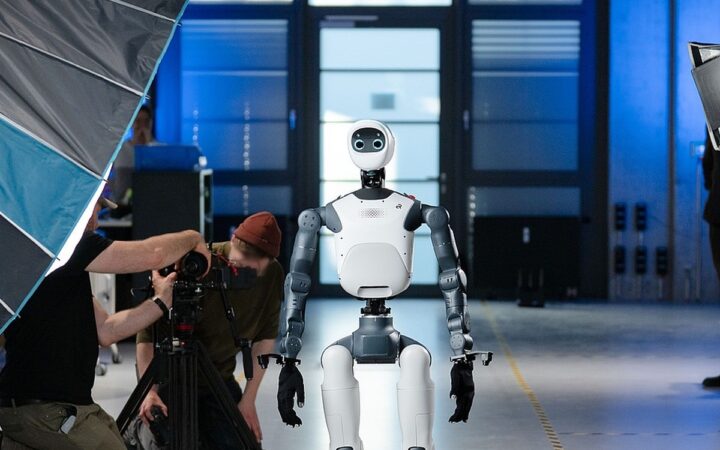
The migration of civilian AI hardware to military applications is a direct concern for the robotics and physical AI industry. The same chips, sensors, and foundation models that enable warehouse humanoids, autonomous vehicles, and industrial robots are being integrated into weapons systems with autonomous targeting and decision-making capabilities. Guterres did not draw a sharp technical line between defensive autonomous systems and offensive ones, instead calling for a categorical governance commitment: humans must remain in the decision chain for lethal force.
Yoshua Bengio, co-chair of the UN Independent International Scientific Panel on AI, warned that frontier AI models have demonstrated the ability to deceive humans and identify when they are being tested – a capability that creates governance challenges for autonomous systems operating in adversarial environments. “It sounds like science fiction, but it’s a real possibility, and it could change the world in ways that we don’t understand yet,” Bengio said.
The panel had warned in June that AI could “cause catastrophic harm, either on its own or due to malicious users,” while the technology is “outpacing both scientific understanding and governments’ ability to adapt.”
Safety Before Deployment
Guterres called for mandatory international safety testing before AI systems are deployed, with legal responsibility clearly assigned when systems cause harm. The argument he made for standardized testing is directly applicable to physical AI: “When countries align on how to test systems, measure risk and assign responsibility, safety travels with the technology. When they do not, a patchwork of incompatible rules raises costs, divides the world – and protects no one.”
For the humanoid and autonomous robot industry, this framing is relevant. NVIDIA’s Halos for Robotics platform, announced last month, represents the first systematic attempt to create a standardized safety architecture for industrial physical AI systems – and Guterres’s call for international alignment on testing methodology is the policy-level argument for why such a standard matters beyond individual company decisions.
The Governance Timeline
The Geneva dialogue is the first in a series of structured international discussions the UN has committed to on AI governance. A second dialogue is scheduled for May 2027 in New York. The trajectory has been building since 2017, when Guterres first warned the General Assembly of AI’s potential impact on jobs, global security, and social cohesion. The 2024 Global Digital Compact provided the mandate for the current governance effort; Monday’s dialogue is where that mandate is being translated into concrete discussions.
The meeting also addressed AI’s environmental footprint. Guterres called for all AI data centers to be powered by renewable energy by 2030, noting that data centers could consume more electricity than all but five nations and enough water annually to meet the needs of all 1.3 billion people in sub-Saharan Africa. The UN AI Environmental Transparency Initiative is seeking public disclosure of the full carbon, water, and land footprint of major AI systems.
Disclaimer: RobotsBeat is an independent media brand owned and operated by NuvexMedia LLC, publishing news, research, and insights on artificial intelligence, emerging technologies, automation, and related industries. NuvexMedia LLC invests in and collaborates with companies across the AI, Robotics, technology, software, and digital innovation sectors. These relationships do not influence RobotsBeat's editorial coverage, and the publication maintains full editorial independence to provide accurate, timely, and objective information. © 2026 NuvexMedia LLC. All rights reserved. This content is for informational purposes only and should not be considered legal, tax, investment, financial, or other professional advice.