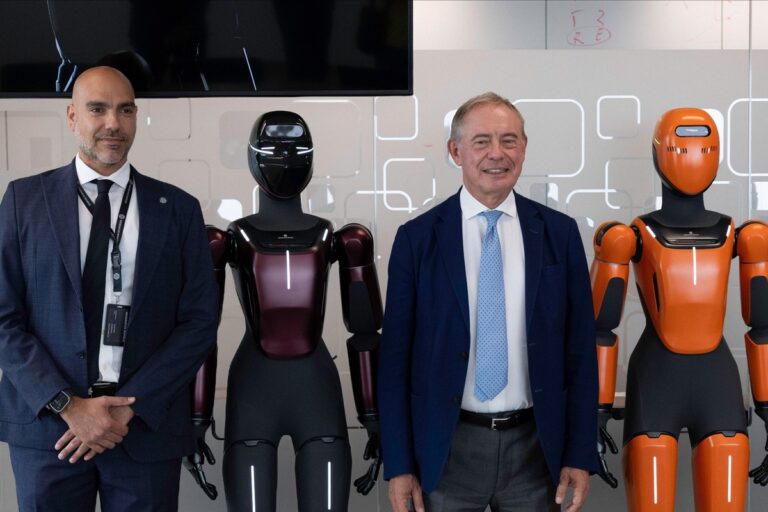
Generative Bionics Plans AMD-Powered Physical AI Data Factory in Italy
Generative Bionics plans a 5,000-square-meter Italian robot-training hub for Q4 2027, linking GENE.01 humanoids, digital twins and AMD Helios compute.
Business & Markets covers the commercial, financial, and strategic forces shaping the robotics, artificial intelligence, and automation industries. This topic focuses on earnings reports, mergers and acquisitions, partnerships, market performance, and corporate strategy across the global robotics ecosystem. Coverage examines how companies scale production, enter new markets, manage supply chains, and compete in rapidly evolving sectors. It also tracks broader market trends, investor sentiment, and the economic factors influencing adoption of intelligent systems. By connecting technology developments with business outcomes, Business & Markets provides insight into how robotics and AI move from innovation to sustainable commercial impact. This category is essential for understanding where capital is flowing, which players are gaining ground, and how markets are responding to technological change.
Generative Bionics plans a 5,000-square-meter Italian robot-training hub for Q4 2027, linking GENE.01 humanoids, digital twins and AMD Helios compute.

Schaeffler’s Taicang factory uses six humanoids across five stations to assemble robot joint modules while linking production, training and digital twins.

AGCO will pilot Agility’s Digit humanoids in Hesston, Kansas, from 2027, targeting parts sorting, stacking and tote handling.

Elon Musk tells Walter Isaacson that AI and robots are the only way to solve US national debt, according to Axios’s preview of an upcoming interview.

Tesla’s new Roadster pairs SpaceX-derived thrusters with reported Optimus hardware, targets 2028 production and demonstrates flight in a restricted configuration.
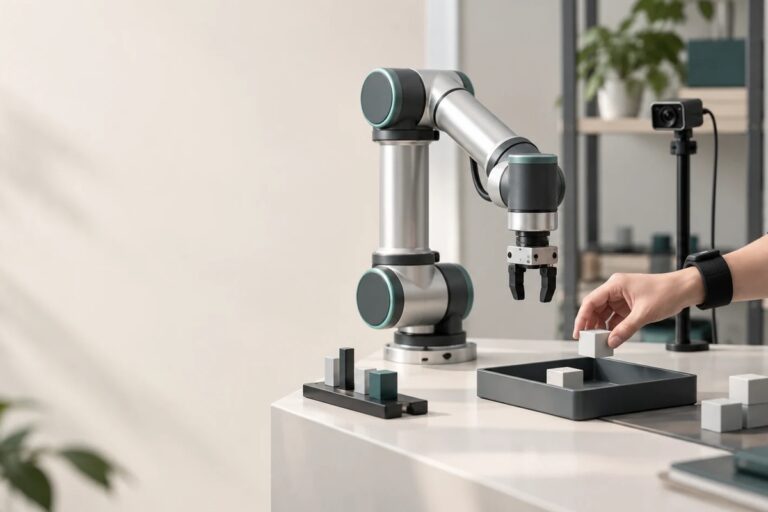
Worker accounts reveal the repetitive labor behind China’s robot-training data, with reported monthly pay of 4,000–6,000 yuan and demanding sample quotas.
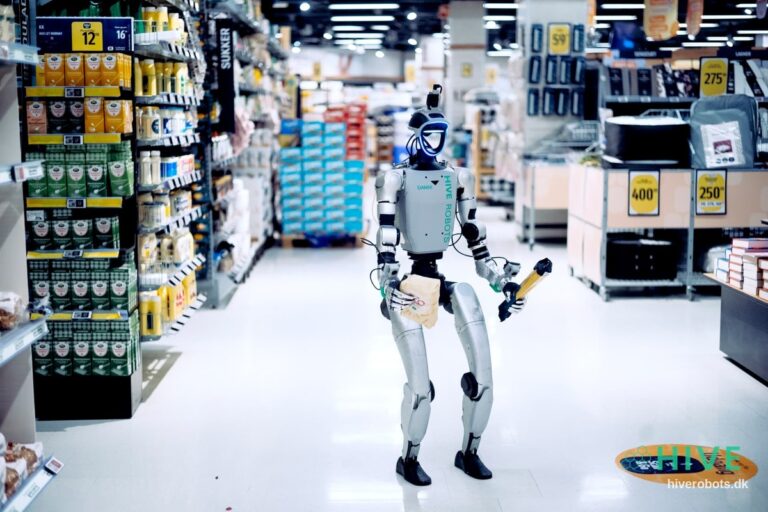
Salling Group and HIVE are training humanoid robots to restock Føtex shelves at night, targeting selected autonomous tasks in early 2027.
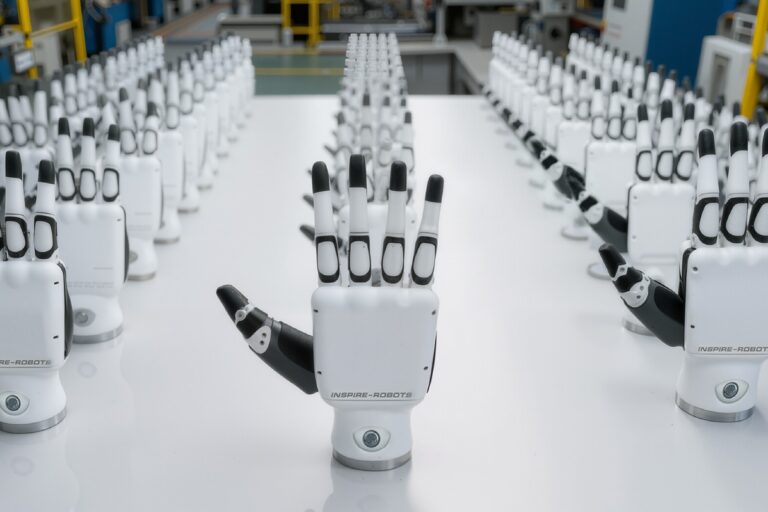
China’s robotic-hand suppliers are gaining importance in the humanoid race, as shipment growth meets the harder test of reliable manipulation.
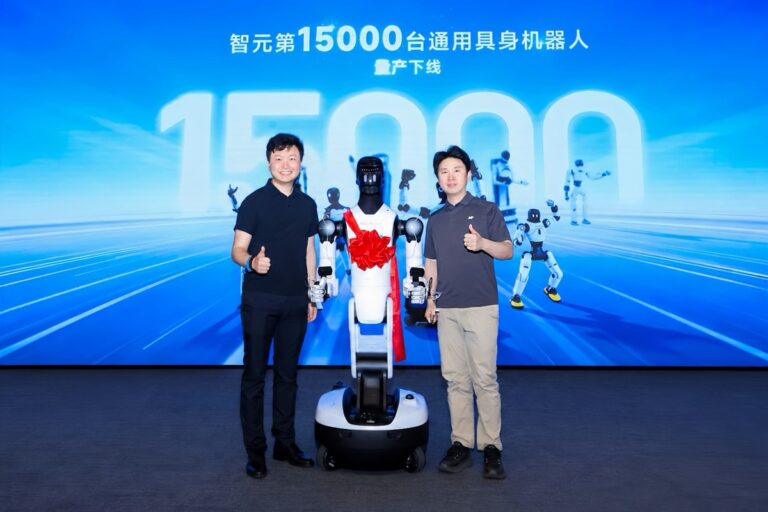
US investors are touring China’s robot factories as humanoid competition grows, with manufacturing scale and supply chains in focus.
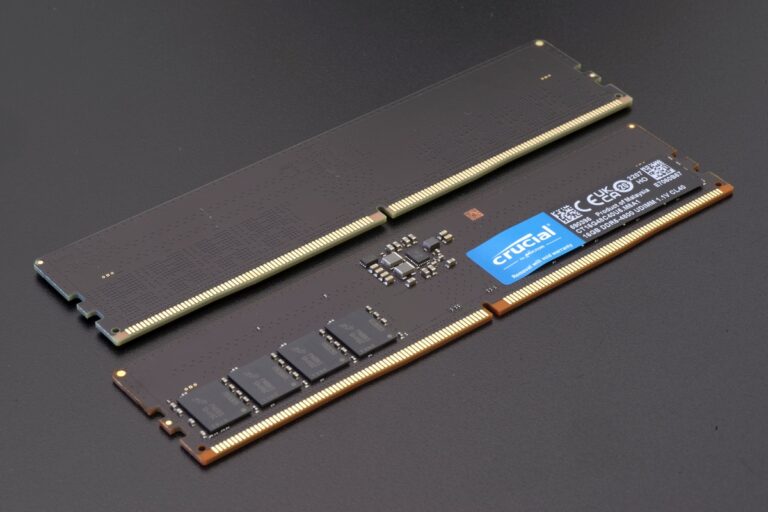
Counterpoint forecasts humanoid robot DRAM demand will grow more than 20x by 2030, as average memory per robot rises from 19GB to 39GB.
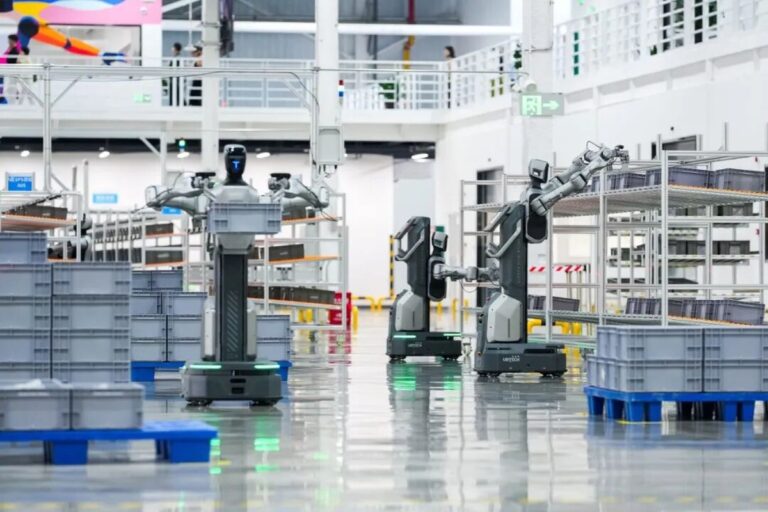
UBTECH and Xiamen C&D plan a joint venture targeting at least 10,000 humanoid robot sales by 2030 across logistics, property and public services.
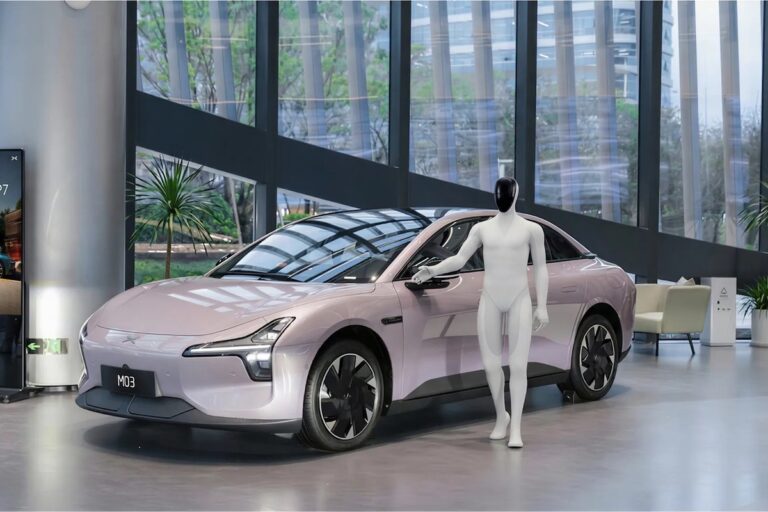
XPENG plans IRON sales in the second half of 2027, following tests of the humanoid robot as a store assistant and office receptionist.