
Maxinsights Raises $30M to Turn Everyday Work Into Robot Training Data
Peak XV leads Maxinsights’ seed round as the robotics data startup introduces MaxLoop quality control and MaxGlove touch-and-force capture.
Explore RobotsBeat's latest reporting, research, and expert analysis tagged with "robot training", collected in one continuously updated archive.
Peak XV leads Maxinsights’ seed round as the robotics data startup introduces MaxLoop quality control and MaxGlove touch-and-force capture.
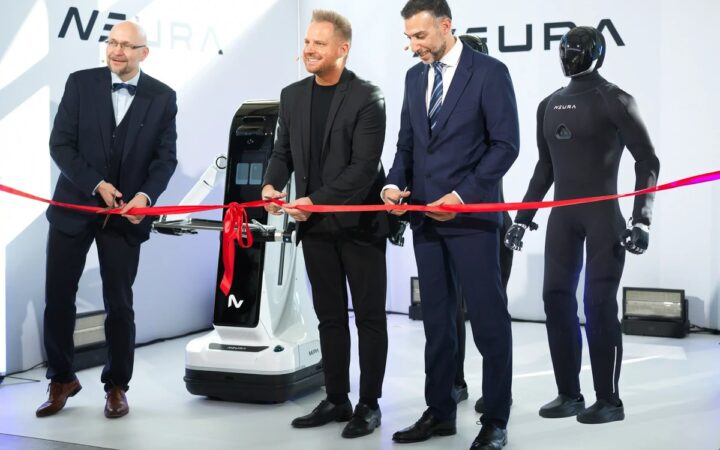
NEURA’s 20% lighter 4NE1 Gen 4 debuts as a €17 million TUM partnership opens a Munich RoboGym to train robots for practical work.
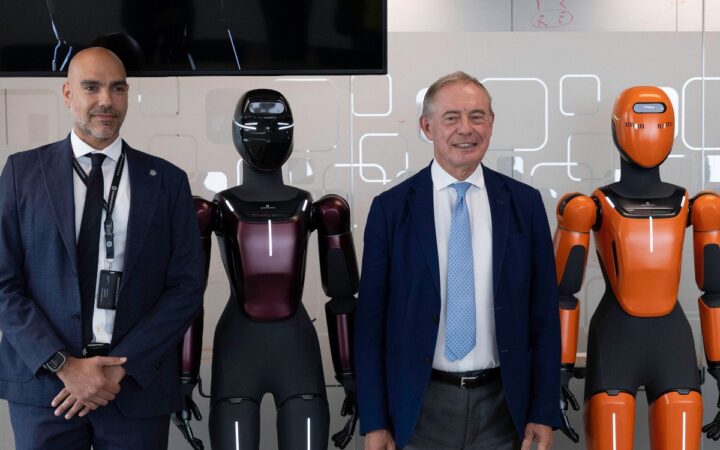
Generative Bionics plans a 5,000-square-meter Italian robot-training hub for Q4 2027, linking GENE.01 humanoids, digital twins and AMD Helios compute.
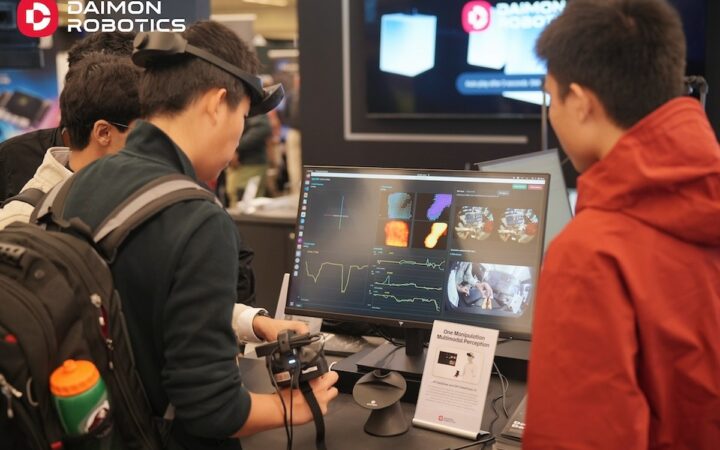
Daimon Robotics connects touch sensors, demonstration data and simulation to help physical AI systems handle contact-rich assembly and packaging tasks.

Physical Intelligence’s Pi API beta lets teams adapt robot models on managed infrastructure, while real-world evaluation and reliable connectivity remain essential.
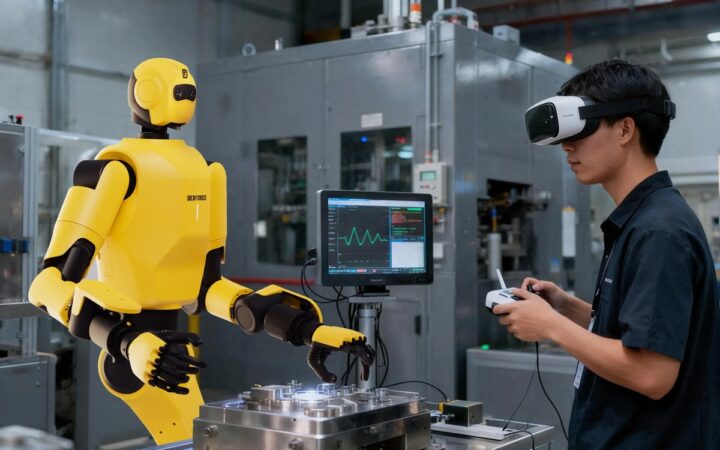
Dexforce is using synthetic scenes to train humanoid robots, betting that simulation can reduce reliance on costly human demonstrations.
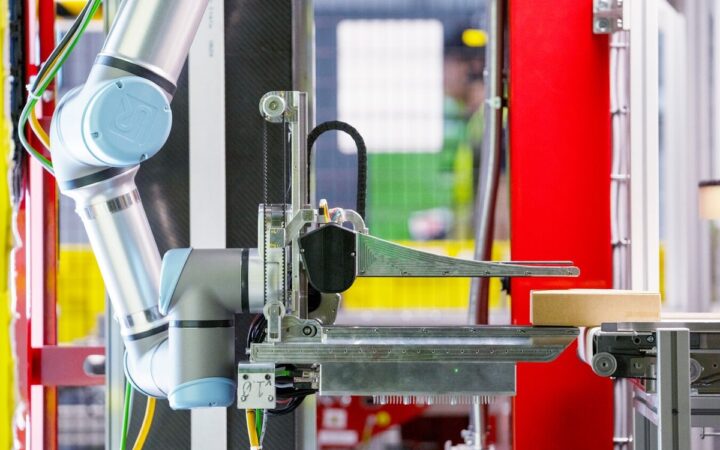
Amazon’s Physical AI Toolchain combines AWS infrastructure and NVIDIA robotics tools to support training, simulation and real-world deployment.

South Korea’s new Pangyo defense AI hub will train humanoid and multilegged robots for hazardous missions, from bomb disposal to mine clearance.

TwelveLabs’ Pegasus 1.6 adds first-person video understanding to robotics data pipelines, with action labeling, quality checks and native image analysis.
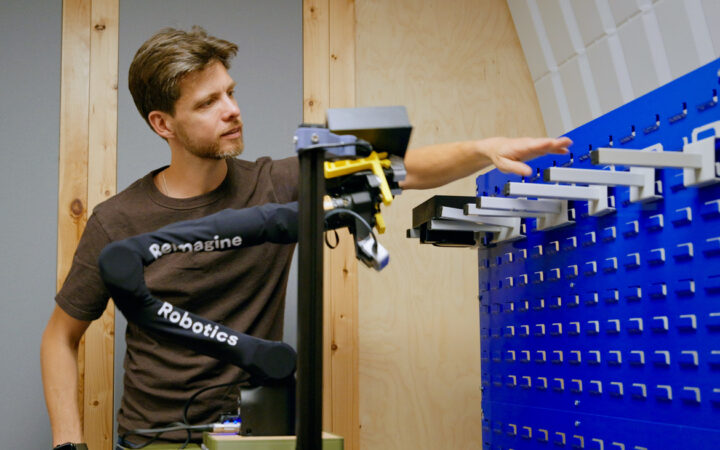
Reimagine Robotics, founded by former Google DeepMind Applied Robotics team leaders, has emerged from stealth with robots that workers can train, correct, and adapt without specialist programming, with deployments already…
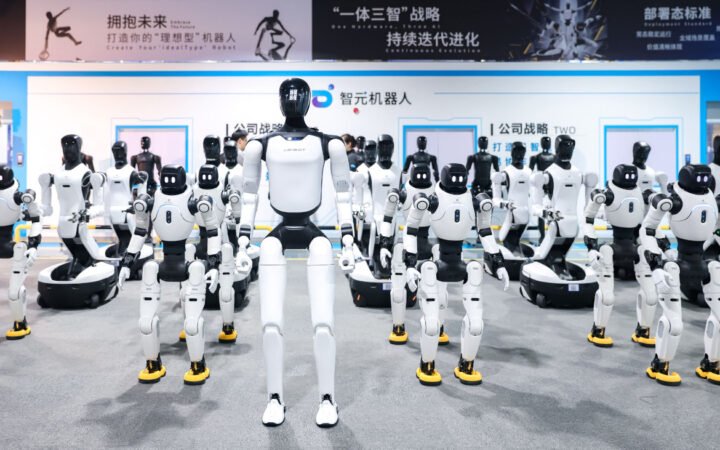
AGIBOT introduced Genie Sim 3.0, a unified platform combining simulation, data generation, and benchmarking to accelerate embodied AI development.

Researchers have developed a system that allows robots to perform learned tasks faster than human demonstrations, addressing a key limitation in imitation learning.
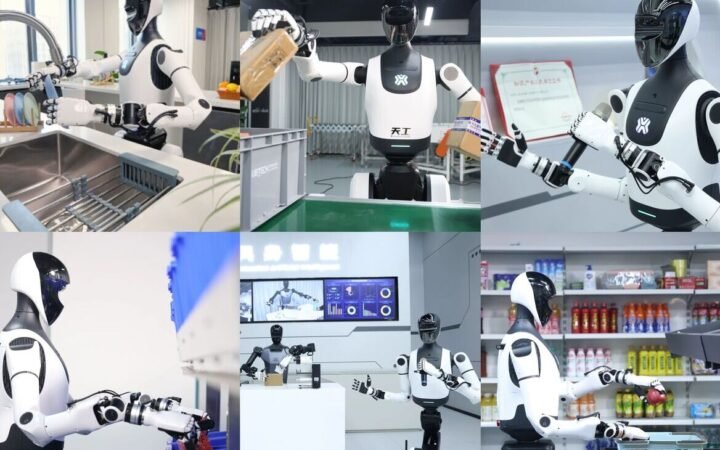
A new profession is emerging in China as human trainers teach humanoid robots real-world tasks, helping bridge the gap between laboratory demonstrations and practical deployment.