
Robot Fleet Management: Tasks, Traffic and Reliable AMR Operations
Learn how robot fleet management connects dispatch, traffic, charging and recovery, with practical capacity examples, interface checks and pilot validation.
Explore RobotsBeat's latest reporting, research, and expert analysis tagged with "robotics guide", collected in one continuously updated archive.
Learn how robot fleet management connects dispatch, traffic, charging and recovery, with practical capacity examples, interface checks and pilot validation.
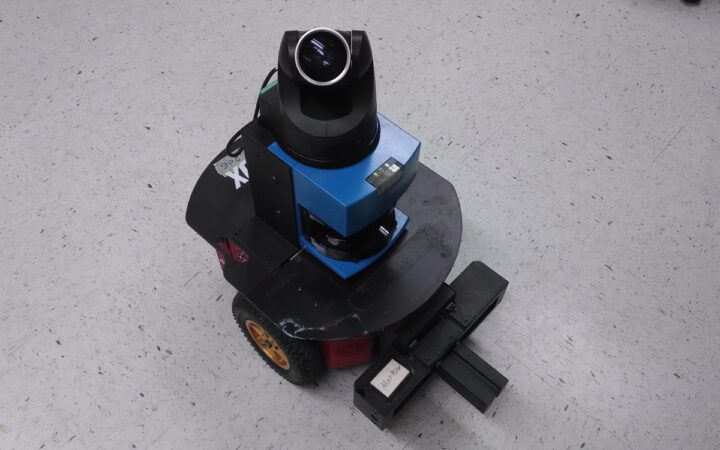
Learn how SLAM builds robot maps, how localization differs from navigation, and how to test drift, loop closure, sensor timing and recovery in real environments.
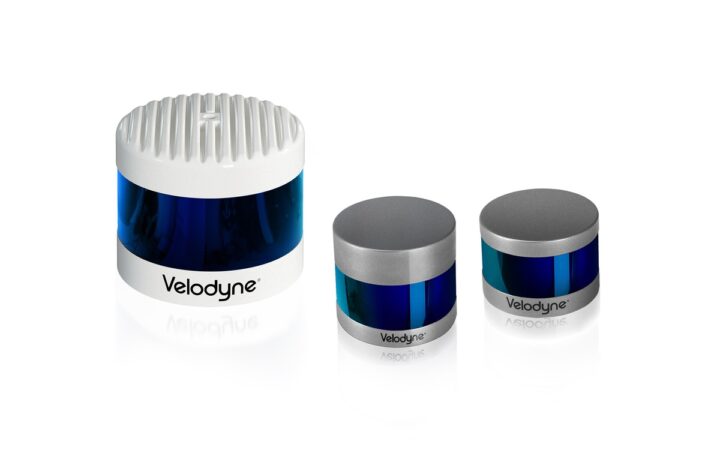
Understand encoders, cameras, lidar, IMUs and force sensors, and learn how calibration, timing and failure testing turn robot measurements into dependable actions.
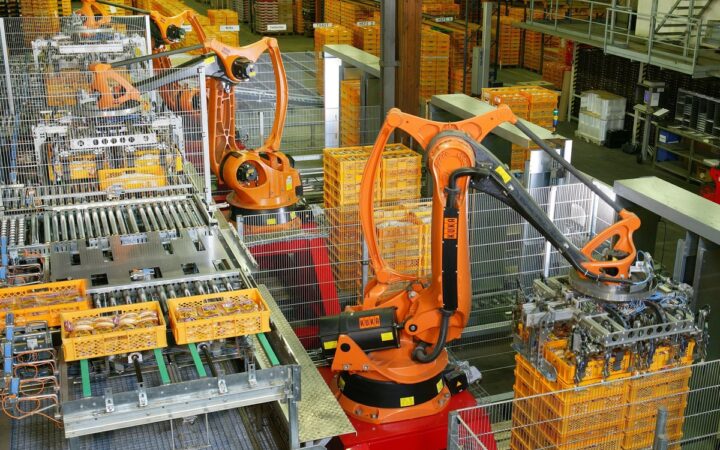
Learn how to choose a robot arm by comparing architectures, payload, reach, accuracy and cycle time, then validate the complete application before deployment.

Learn what makes a robotics digital twin useful, how it differs from a simulation, and how to define data, validate predictions and maintain a trustworthy model.
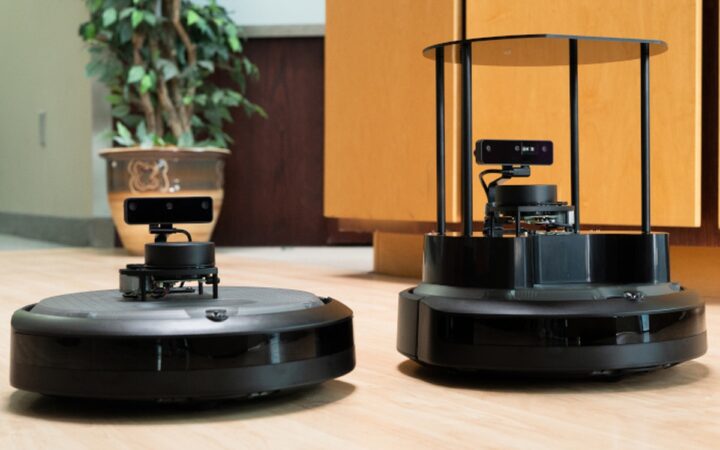
Learn how ROS 2 connects robot software through nodes, topics, services and actions, with practical guidance on frames, debugging, simulation and production readiness.

Compare mechanical, vacuum and soft robot grippers, then learn how payload, contact geometry, sensing and complete-cycle tests determine reliable handling.

Understand how robot vision works, when to use 2D or 3D sensing, and how lighting, calibration and error testing turn images into reliable production decisions.
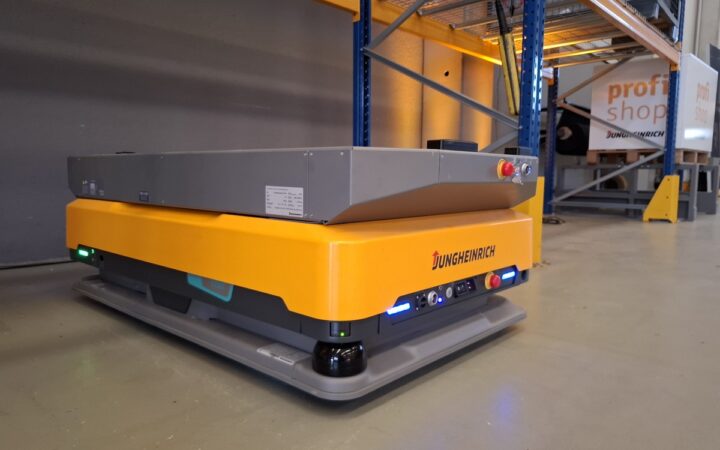
Learn how autonomous mobile robots move materials, how AMRs compare with AGVs, and how to evaluate routes, handoffs, fleet capacity and deployment costs.

Learn how collaborative robots work, where cobots fit, and how to evaluate safety, tooling, performance and costs before deploying a complete workstation.
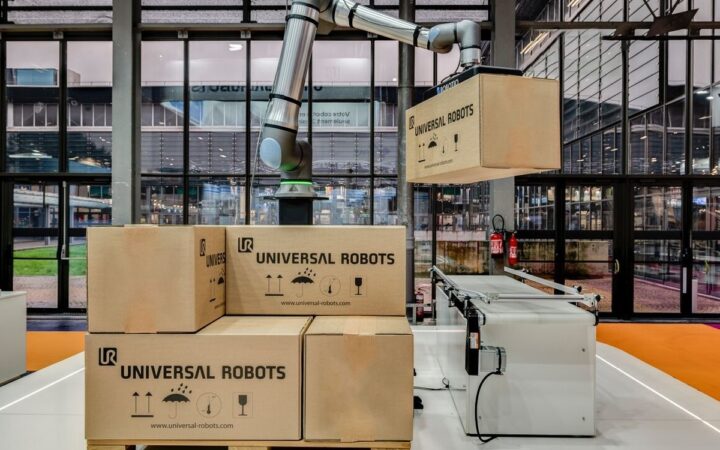
Learn how robotic automation works, where robots fit, and how to plan deployment, assess costs, validate safety and measure real operating results.
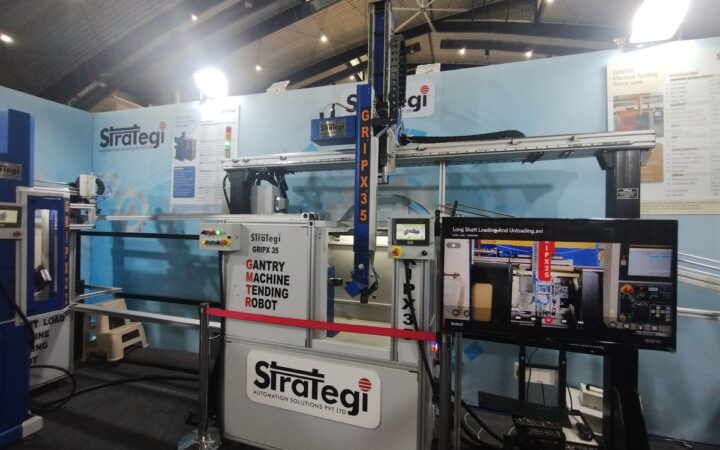
Learn how to plan robot machine tending for CNC equipment, from part presentation and workholding to cycle time, inspection and dependable unattended operation.
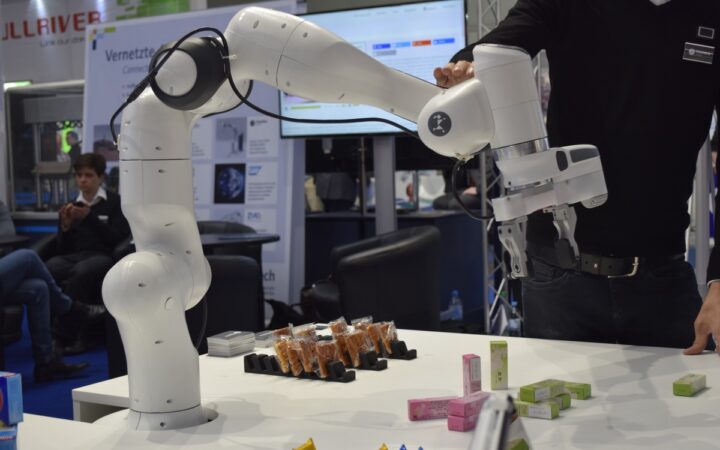
Understand robot learning methods, demonstration data and simulation transfer, then evaluate complete-task reliability, interventions and controlled deployment.
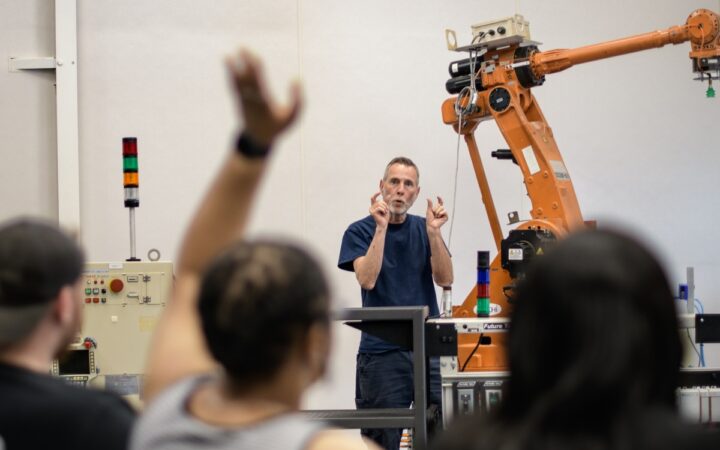
Build a robot maintenance plan, preserve fault evidence, diagnose problems across system layers and verify repairs with practical downtime and recovery measures.
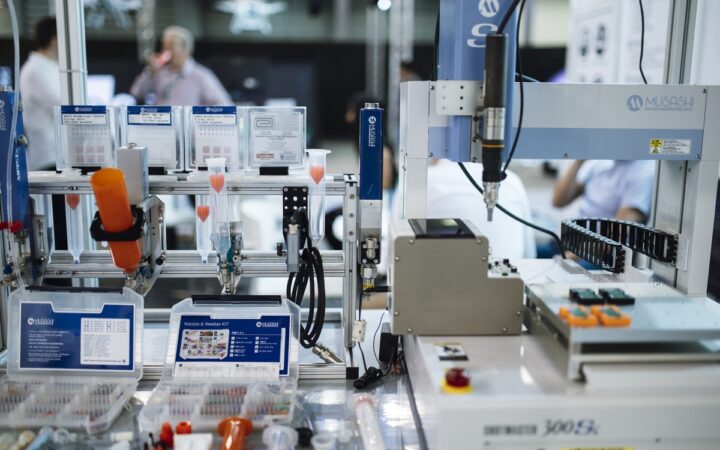
Understand robot motion planning, configuration space and trajectories, then test collision models, timing, controller execution and recovery in a complete application.