Boston Dynamics Targets One-Hour Atlas Builds in Factory Video
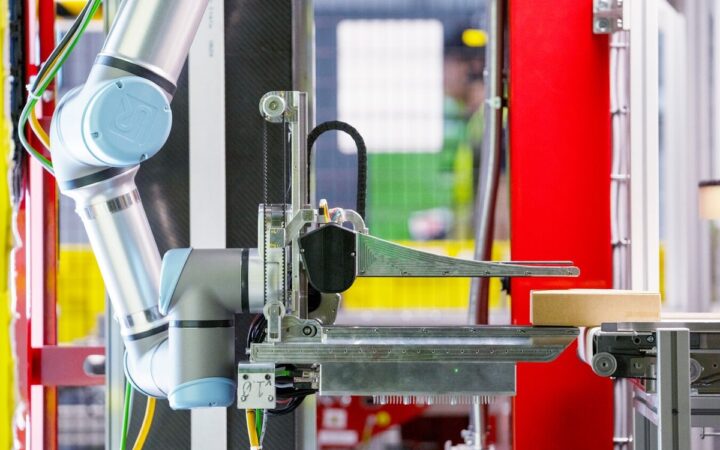
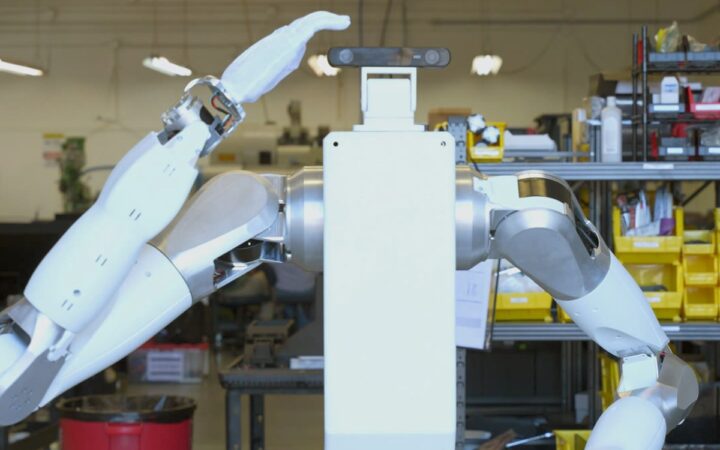
Boston Dynamics shows how machining, assembly and repair support Atlas development, with a goal of cutting robot build time from a day to an hour.
Explore RobotsBeat's latest reporting, research, and expert analysis tagged with "physical ai", collected in one continuously updated archive.
Boston Dynamics shows how machining, assembly and repair support Atlas development, with a goal of cutting robot build time from a day to an hour.
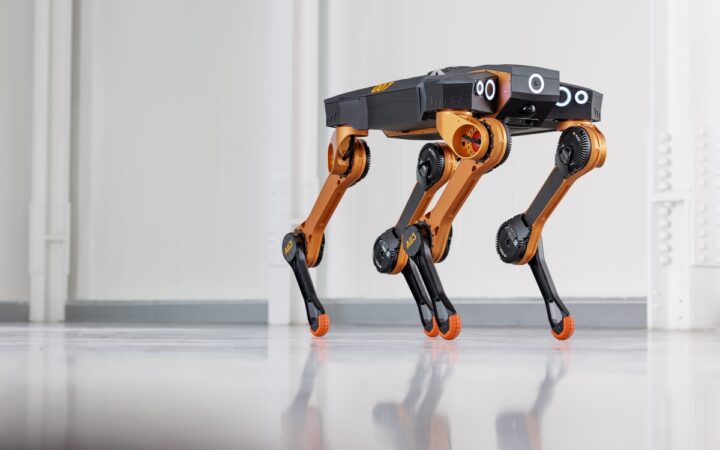
All3’s redesigned Mantis robot combines autonomous stair climbing and screw fastening, with its first live construction deployment planned for early 2027.
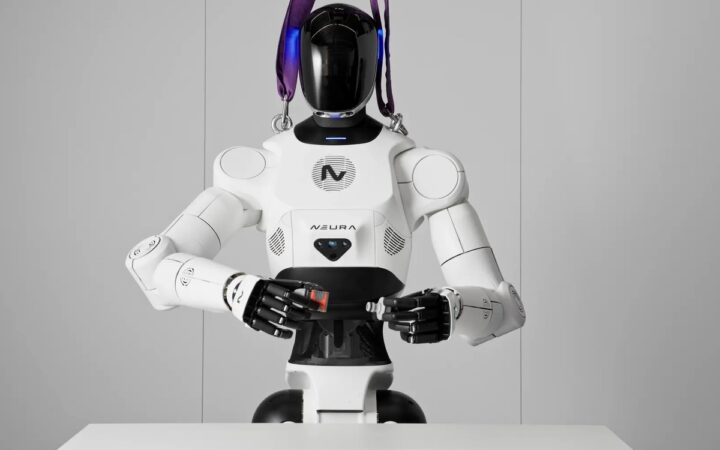
NEURA’s Neuron AI combines vision, touch, sound and memory across its robot family, with a 4NE1 laundry demonstration planned for GTC Berlin.
Amazon’s Physical AI Toolchain combines AWS infrastructure and NVIDIA robotics tools to support training, simulation and real-world deployment.
US investors are touring China’s robot factories as humanoid competition grows, with manufacturing scale and supply chains in focus.
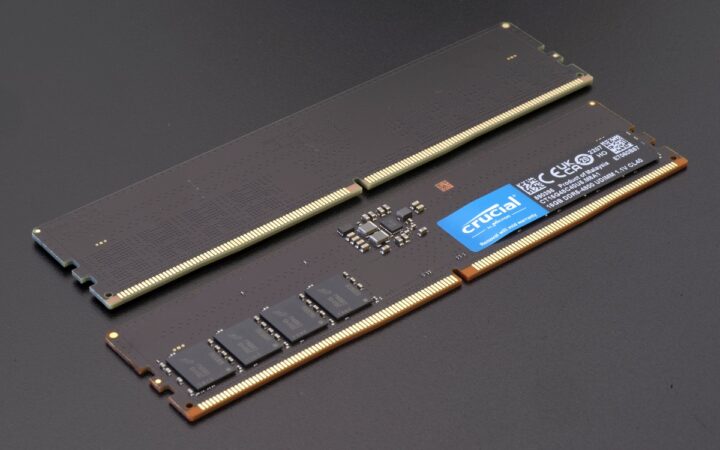
Counterpoint forecasts humanoid robot DRAM demand will grow more than 20x by 2030, as average memory per robot rises from 19GB to 39GB.
South Korea’s new Pangyo defense AI hub will train humanoid and multilegged robots for hazardous missions, from bomb disposal to mine clearance.
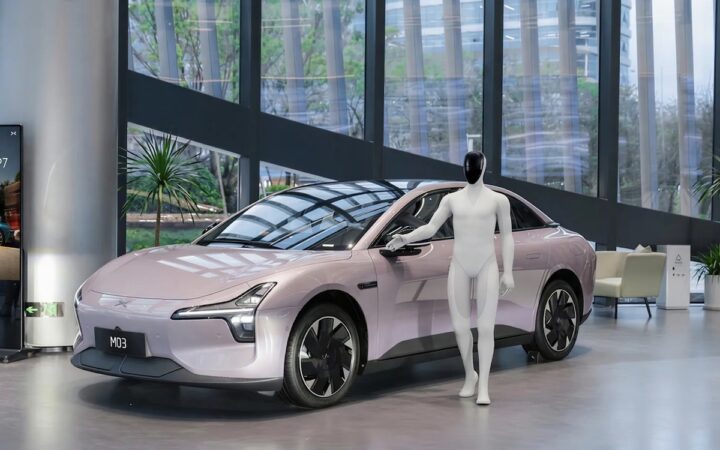
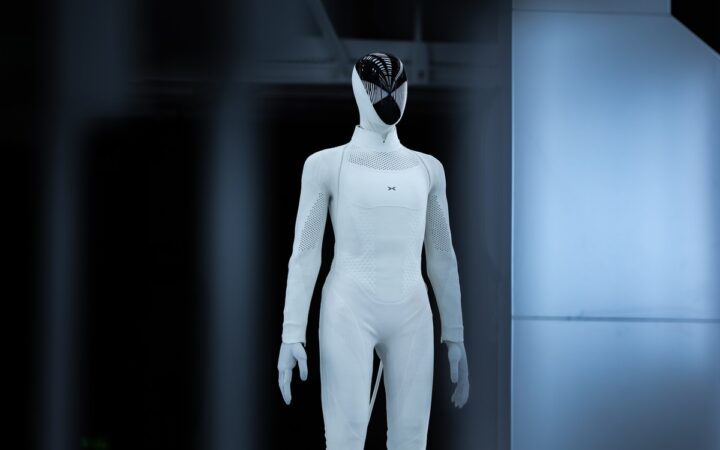
XPENG plans IRON sales in the second half of 2027, following tests of the humanoid robot as a store assistant and office receptionist.
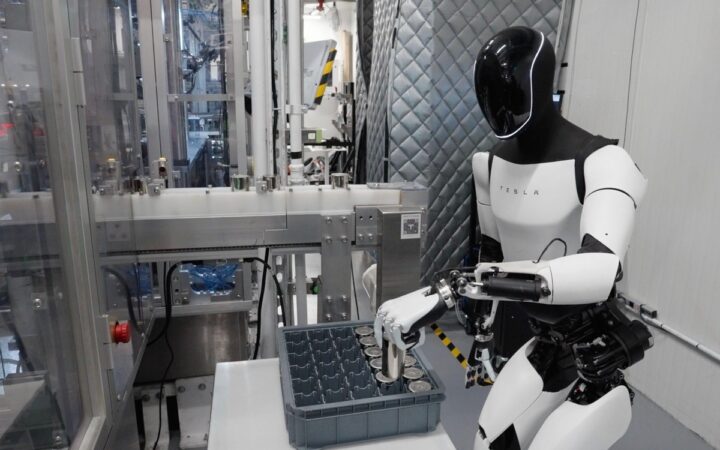
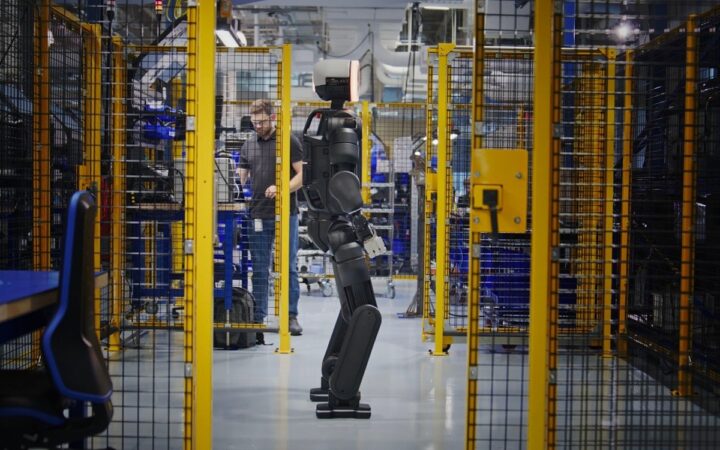
Tesla is scaling Optimus production ahead of a late-2027 public-sales target, but reliability and useful autonomy will determine the rollout.
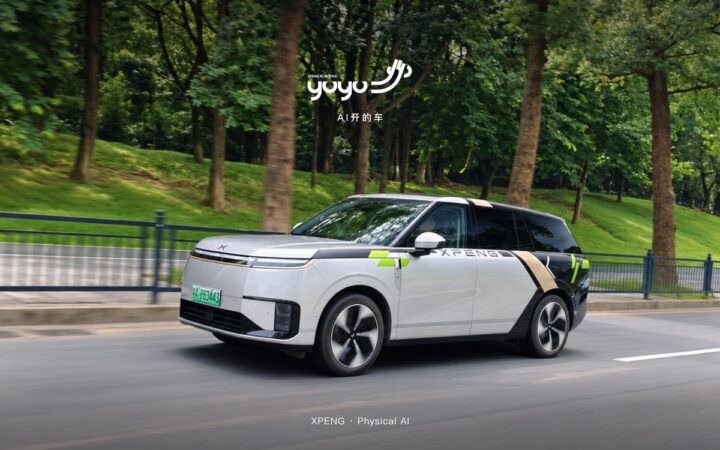
XPENG introduces its YOYO robotaxi brand and opens registration in China, with overseas trials and external IRON robot sales planned for 2027.
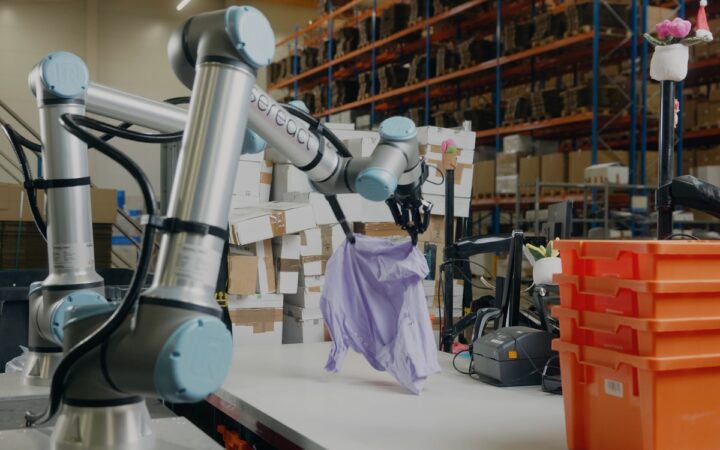
Sereact’s dual-arm robots are processing Zalando returns at CEVA sites in Germany and Poland, targeting one of fashion logistics’ hardest workflows.
XPeng president Brian Gu says overseas robotaxi trials and commercial robot deliveries are planned for 2027 as the EV maker expands into physical AI.
Feather’s wheeled humanoid starts at a promotional $29,990, with two seven-axis arms and an open SDK. Grippers and dexterous hands cost extra.
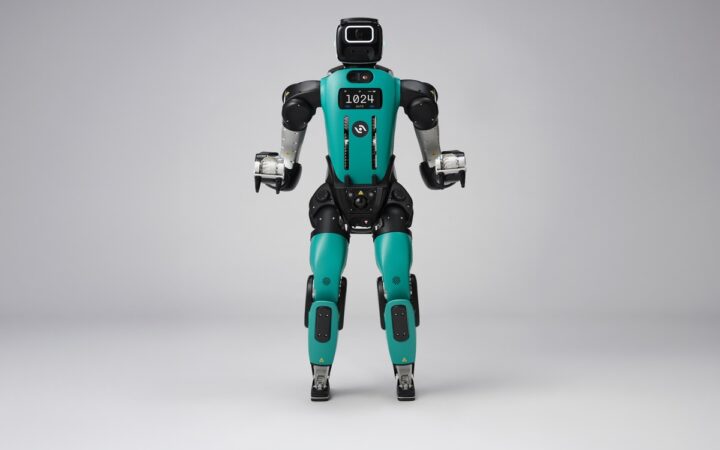
NVIDIA is extending its Halos safety architecture from autonomous vehicles to robotics, with Agility’s Digit 5 showing how the approach could support shared workplaces.
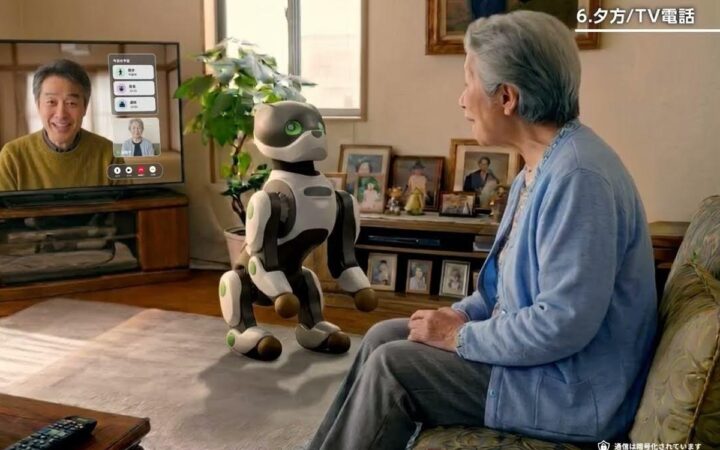
Kawasaki’s Home LEO robot combines companionship and household support for older people, with trials ahead of a planned fiscal 2028 launch.